Video marketing drives engagement, builds trust, and increases conversions through storytelling, education, and strategic distribution. Businesses leveraging optimized video content across multiple platforms gain stronger brand visibility and measurable digital growth.
Video marketing has become the cornerstone of successful digital strategies. With viewers retaining 95% of a message when they watch it in a video compared to 10% when reading it in text, businesses across industries are leveraging video content to connect with their audiences in meaningful ways.
But creating compelling video content isn’t just about having the latest equipment or biggest budget. The most successful video marketing campaigns combine creativity, strategic thinking, and authentic storytelling to achieve their goals.
This post showcases 15 outstanding video marketing examples from brands that have mastered the art of video storytelling. You’ll discover different approaches, techniques, and strategies that you can adapt for your own campaigns, regardless of your industry or budget size.
Brand Storytelling Videos

Nike: “Dream Crazy” Campaign
Nike’s “Dream Crazy” campaign featuring Colin Kaepernick demonstrates how brands can take bold stances while staying true to their values. The video doesn’t focus on products—instead, it tells powerful stories of athletes who overcame adversity.
Key takeaway: Authentic storytelling that aligns with your brand values can create deeper emotional connections than product-focused content.
Dove: “Real Beauty Sketches”
Dove’s “Real Beauty Sketches” became one of the most shared video ads of all time by addressing women’s self-perception. The campaign used a simple concept—comparing how women describe themselves versus how others see them—to deliver a powerful message about beauty standards.
Key takeaway: Simple concepts executed well can have massive impact when they address real human emotions and experiences.
Always: “Like a Girl”
Always transformed the phrase “like a girl” from an insult into an empowering statement. The video sparked conversations about gender stereotypes while positioning the brand as a champion for young women’s confidence.
Key takeaway: Challenging societal norms can position your brand as a thought leader while creating shareable content.
Product Demo Videos
Apple: iPhone Launch Videos
Apple’s product launch videos set the standard for tech demonstrations. They combine sleek visuals, clear explanations, and emotional storytelling to make complex technology feel accessible and desirable.
Key takeaway: Focus on benefits, not just features. Show how your product improves lives rather than just listing specifications.
Blendtec: “Will It Blend?”
Blendtec’s viral video series proved that even B2B products can create entertaining content. By blending unusual items like iPhones and golf balls, they demonstrated their blenders’ power while entertaining viewers.
Key takeaway: Unexpected approaches can make mundane products exciting and memorable.
Dollar Shave Club: Launch Video
Dollar Shave Club’s launch video combined humour, product demonstration, and value proposition in under four minutes. The video’s casual, irreverent tone helped differentiate them from established competitors.
Key takeaway: Personality can be your biggest differentiator, especially in crowded markets.
Customer Story Videos
Airbnb: “Belong Anywhere”
Airbnb’s customer story videos showcase real hosts and guests sharing authentic experiences. These videos build trust by showing real people rather than actors, making the brand feel more approachable and reliable.
Key takeaway: Let your customers be the heroes of your stories. Their authentic experiences carry more weight than scripted testimonials.
Patagonia: Customer Adventure Stories
Patagonia features customers using their products in real outdoor adventures. These videos don’t feel like ads—they feel like inspiring documentaries that happen to feature Patagonia gear.
Key takeaway: Show your products in action within your customers’ real lives and passions.
Educational Content Videos
HubSpot: Marketing Tutorial Series
HubSpot’s educational videos establish them as marketing experts while providing genuine value to viewers. Their tutorials help marketers solve real problems, building trust and authority.
Key takeaway: Teaching your audience builds long-term relationships and positions you as an industry authority.
Tasty: Recipe Videos
Tasty revolutionized food content with their overhead, quick-cut recipe videos. The format is perfectly optimized for social media consumption and has been widely copied across industries.
Key takeaway: Format matters. Optimizing your video style for specific platforms can dramatically increase engagement.
Behind-the-Scenes Content

Ben & Jerry’s: Factory Tours
Ben & Jerry’s behind-the-scenes videos show ice cream production while highlighting their company culture and values. These videos humanize the brand and build transparency.
Key takeaway: Transparency builds trust. Showing your processes and people creates authentic connections with your audience.
Zappos: Company Culture Videos
Zappos uses behind-the-scenes videos to showcase their unique company culture. These videos help attract talent while reinforcing their brand personality to customers.
Key takeaway: Your company culture can be a powerful marketing tool, especially for attracting both customers and employees.
Emotional Storytelling
Google: “Year in Search”
Google’s annual “Year in Search” videos compile the year’s most searched terms into emotional narratives that remind viewers of shared human experiences. These videos position Google as more than a search engine—they’re a reflection of human curiosity and connection.
Key takeaway: Connecting your brand to larger human experiences can create powerful emotional resonance.
John Lewis: Christmas Campaigns
John Lewis’s Christmas campaigns have become cultural phenomena in the UK. These mini-movies tell heartwarming stories that may not directly feature products but create strong emotional associations with the brand.
Key takeaway: Seasonal content can become annual traditions that customers actively anticipate and share.
Interactive and Innovative Formats
Old Spice: “The Man Your Man Could Smell Like”
Old Spice’s campaign combined humour with interactive elements, including personalized video responses to social media comments. This approach made viewers feel personally connected to the campaign.
Key takeaway: Interactive elements can turn passive viewers into active participants, increasing engagement and memorability.
User-Generated Content (UGC) Campaigns
User-generated video content builds authenticity and trust. Encouraging customers to share testimonials, reviews, or creative uses of products increases credibility. UGC campaigns reduce production costs while amplifying brand reach organically. Social proof influences purchasing decisions more effectively than traditional advertisements. Brands can incentivize participation through contests, hashtags, or community challenges. Featuring real customers in video marketing fosters loyalty and deeper connections. UGC content also performs well on social media algorithms due to its authentic nature. By incorporating user-generated video marketing strategies, businesses can create relatable, impactful campaigns.
NFT Marketing Through Video Campaigns
NFT marketing benefits greatly from strategic video content. Blockchain projects use teaser videos, animated trailers, and roadmap explainers to attract collectors and investors. Video storytelling helps simplify complex concepts such as token utilities and smart contracts. Launch countdown videos and behind-the-scenes development updates build anticipation. NFT marketing campaigns often rely on community engagement through live AMA sessions and Discord promotions. By combining video marketing with SEO optimization, NFT brands can increase visibility across search engines and social platforms. Engaging visuals and transparent communication establish trust in the competitive Web3 ecosystem.
Video SEO Optimization Techniques
Optimizing video content for search engines improves discoverability. This includes keyword-rich titles, detailed descriptions, tags, and transcripts. Hosting videos on YouTube while embedding them on websites enhances SEO value. Thumbnails play a significant role in click-through rates. Structured data markup helps search engines understand video content context. Video marketing becomes even more powerful when aligned with SEO best practices. Businesses that optimize properly can rank both in traditional search results and video carousels, increasing overall traffic and brand exposure.
Creating Your Own Winning Video Marketing Strategy
These examples demonstrate that successful video marketing isn’t about perfection—it’s about authenticity, creativity, and understanding your audience. Whether you’re working with a Hollywood budget or a smartphone, the principles remain the same.
Start by identifying your core message and the emotions you want to evoke. Consider your audience’s preferences and the platforms where they spend their time. Most importantly, focus on providing value—whether that’s entertainment, education, inspiration, or solutions to real problems.
Remember that the best video marketing examples often break conventional rules. Don’t be afraid to experiment with new formats, take creative risks, or challenge industry norms. Your unique perspective and authentic voice are your greatest assets in creating video content that truly resonates with your audience.
Emotional Brand Storytelling Through Video
Emotional storytelling creates lasting impressions. Brands that tap into universal themes—hope, resilience, love, ambition—build deeper connections. Emotional video marketing increases shareability and memorability. Strong narratives combined with cinematic visuals elevate brand perception. Rather than focusing solely on products, emotional storytelling emphasizes human experiences. This strategy builds long-term loyalty and brand affinity.
B2B Video Marketing Strategies
B2B companies increasingly use video marketing for thought leadership and trust-building. Webinars, case studies, and expert interviews establish authority. LinkedIn video campaigns effectively reach decision-makers. Educational content tailored to industry challenges positions brands as solution providers. Video marketing shortens sales cycles by clarifying value propositions clearly and visually.
Video Analytics and Performance Tracking
Tracking performance ensures continuous improvement. Metrics such as watch time, engagement rate, click-through rate, and conversion rate provide actionable insights. Video marketing campaigns should be analyzed regularly to identify successful elements. Data-driven optimization improves ROI and audience targeting. A/B testing thumbnails, titles, and formats enhances effectiveness.
Multi-Platform Video Distribution Strategy
 Creating a video is only the first step; distribution determines success. Repurposing long-form videos into shorter clips maximizes reach. Cross-posting across YouTube, Instagram, LinkedIn, and Facebook expands audience exposure. Email marketing integration further boosts views. A multi-platform video marketing strategy ensures consistent brand messaging while reaching diverse audience segments.
Conclusion
Video marketing continues to dominate digital strategy due to its unmatched engagement power. From storytelling and product demos to NFT marketing and live streaming, businesses that invest strategically in video content build stronger brands, higher conversions, and long-term audience loyalty.
FAQs About Video Marketing
1. What is video marketing?
Video marketing is the strategic use of video content to promote brands, products, or services across digital platforms. It includes formats such as social media videos, product demos, tutorials, testimonials, and live streams. The goal is to engage audiences, build brand awareness, and drive conversions through compelling visual storytelling.
2. Why is video marketing effective?
Video marketing is effective because it combines visuals, audio, and storytelling to create stronger emotional connections. Viewers retain information better through video compared to text. It also increases engagement rates, encourages social sharing, and improves overall brand recall across multiple platforms.
3. Can video marketing improve SEO?
Yes, video marketing significantly improves SEO when optimized correctly. Videos increase dwell time on websites, reduce bounce rates, and enhance user engagement signals. Adding keyword-rich titles, descriptions, tags, and transcripts helps videos rank in both Google search results and video platforms like YouTube.
4. How long should marketing videos be?
The ideal video length depends on the platform and objective. Short-form videos (15–60 seconds) work best for TikTok, Instagram Reels, and ads. Longer videos (2–10 minutes) are more effective for educational content, product demos, webinars, and in-depth storytelling.
5. Which platforms are best for video marketing?
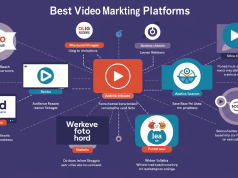
YouTube remains the leading platform for long-form content and search visibility. TikTok and Instagram dominate short-form engagement, while LinkedIn performs well for B2B marketing. The best platform depends on your audience demographics and campaign goals.
6. Is video marketing expensive to produce?
Video marketing does not always require a large budget. Many successful campaigns are created using smartphones and simple editing tools. While high-end productions can elevate brand perception, creativity, authenticity, and strategy often matter more than production cost.
7. What types of videos convert best?
Product demonstrations, customer testimonials, explainer videos, and case studies tend to drive the highest conversions. These formats clearly communicate benefits, address objections, and build trust, helping potential customers move confidently through the buying journey.
8. How often should brands post video content?
Consistency is more important than posting frequency. Brands should aim for a sustainable schedule—whether weekly, bi-weekly, or monthly. Regular posting builds audience expectations, strengthens brand presence, and improves algorithm performance on social platforms.
9. What is live video marketing?
Live video marketing involves broadcasting content in real time to interact directly with viewers. Businesses use live streams for Q&A sessions, product launches, behind-the-scenes tours, and webinars. This format increases authenticity, engagement, and community connection.
10. Does video marketing work for B2B businesses?
Yes, video marketing is highly effective for B2B companies. Educational webinars, expert interviews, product walkthroughs, and case study videos help build authority and trust. Video simplifies complex services and supports longer B2B sales cycles.
11. What is NFT marketing in video?
NFT marketing through video involves promoting NFT collections, blockchain projects, and digital assets using trailers, roadmap explainers, and community updates. Video helps simplify technical concepts while building excitement and credibility within Web3 communities.
12. How do you measure video marketing success?
Success is measured through key performance indicators such as views, watch time, engagement rate, click-through rate, lead generation, and conversions. Tracking ROI through analytics tools allows businesses to refine strategies and improve future video marketing campaigns.