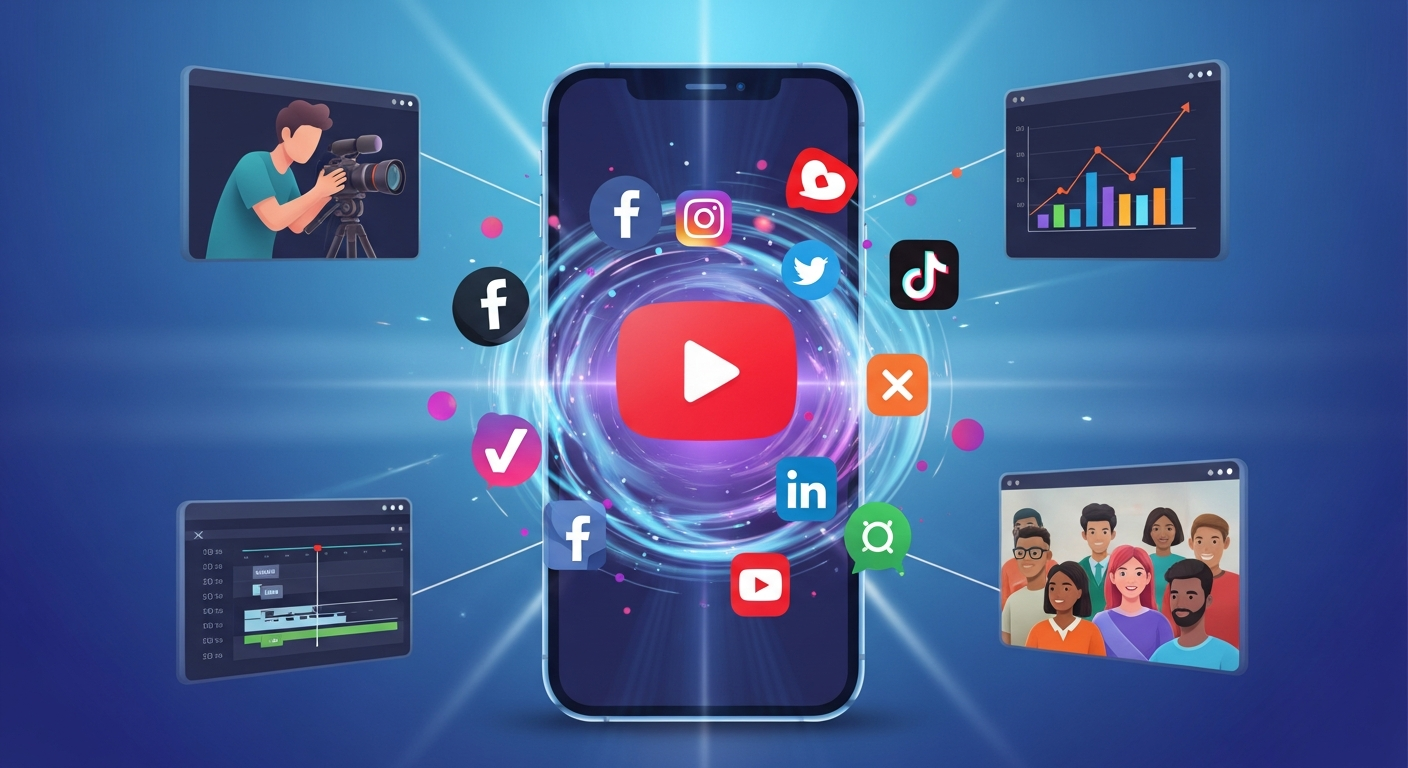
Social media video marketing is essential for brand growth in today’s digital landscape. By choosing the right platforms, creating engaging and authentic video content, optimizing for each channel, and tracking performance metrics, businesses can boost engagement, build trust, and achieve marketing goals through consistent, audience-focused video strategies.
Video content has become the dominant force across social media platforms, fundamentally changing how brands connect with their audiences. From TikTok’s explosive growth to Instagram Reels and YouTube Shorts, video marketing is no longer optional—it’s essential for business success.
This comprehensive guide will walk you through everything you need to know about social media video marketing, from choosing the right platforms to creating engaging content that drives real results. You’ll discover proven strategies, platform-specific best practices, and actionable tips to help your brand stand out in the crowded social media landscape.
Whether you’re just getting started or looking to refine your existing video strategy, you’ll find practical insights to help you create compelling video content that resonates with your target audience and achieves your marketing goals.
Why Video Marketing Dominates Social Media

Social media algorithms consistently favor video content over static posts. Videos generate higher engagement rates, longer viewing times, and more shares than traditional image-based content. The average person watches over 100 minutes of video daily, making it the most consumed content type across all demographics.
Video content creates emotional connections that static images simply cannot match. Moving visuals, combined with audio and storytelling, activate multiple senses simultaneously. This multi-sensory experience helps viewers retain information better and builds stronger brand relationships.
The versatility of video content also contributes to its effectiveness. A single video can be repurposed across multiple platforms, adapted for different audience segments, and used throughout various stages of the customer journey—from awareness to conversion.
Choosing the Right Platforms for Your Video Strategy
YouTube: The Video Giant
YouTube remains the second-largest search engine globally and offers the most robust video marketing opportunities. The platform supports long-form content, making it ideal for educational videos, tutorials, and detailed product demonstrations. YouTube’s monetization options and comprehensive analytics make it particularly valuable for businesses looking to build sustainable video marketing programs.
TikTok: Short-Form Innovation
TikTok has revolutionized short-form video content with its algorithm-driven discovery system. The platform excels at viral content and trend-based marketing. Brands that succeed on TikTok often embrace authenticity over polish, creating relatable content that feels native to the platform’s culture.
Instagram: Visual Storytelling Hub
Instagram offers multiple video formats including Reels, Stories, and IGTV. Each format serves different purposes: Reels for discovery and engagement, Stories for behind-the-scenes content, and IGTV for longer-form narratives. The platform’s shopping features also make it excellent for product-focused video content.
LinkedIn: Professional Video Network
LinkedIn has embraced video content for B2B marketing, with native videos receiving significantly higher engagement than shared links. The platform works best for thought leadership content, company culture videos, and professional tutorials.
Essential Video Content Types That Drive Engagement
Educational and How-To Content
Tutorial videos consistently perform well across all platforms because they provide immediate value to viewers. These videos position your brand as an expert while solving real problems for your audience. Educational content also has excellent longevity, continuing to attract viewers long after publication.
Behind-the-Scenes Content
Authentic, behind-the-scenes videos humanize your brand and build trust with audiences. These videos show the people and processes behind your products or services, creating transparency that modern consumers value. They’re also relatively easy to produce and don’t require high production values to be effective.
User-Generated Content
Encouraging customers to create video content featuring your products amplifies your reach while providing social proof. User-generated videos feel more authentic than branded content and often achieve higher engagement rates. Consider creating branded hashtags or challenges to encourage user participation.
Product Demonstrations and Reviews
Video demonstrations show your products in action, addressing potential customer concerns and showcasing key features. These videos are particularly effective for complex products or services that benefit from visual explanation. Customer testimonial videos add credibility and help potential buyers envision themselves using your products.
Creating Compelling Video Content
Planning Your Content Strategy
Successful video marketing begins with clear objectives and target audience understanding. Define what you want to achieve with each video—whether it’s brand awareness, lead generation, or sales conversion. Create buyer personas to guide your content creation and ensure your videos speak directly to your ideal customers.
Develop a content calendar that balances different video types and maintains consistent posting schedules. Plan content around relevant events, holidays, and industry trends while ensuring each video aligns with your overall marketing strategy.
Production Best Practices
High-quality video doesn’t necessarily require expensive equipment, but attention to certain fundamentals makes a significant difference. Ensure good lighting, clear audio, and stable camera work. Poor audio quality, in particular, can cause viewers to abandon videos quickly.
Keep videos concise and front-load the most important information. Most viewers decide whether to continue watching within the first few seconds. Start with a compelling hook that clearly communicates the video’s value proposition.
Optimizing for Each Platform
Each social media platform has specific requirements and best practices that affect video performance. Vertical videos work best on mobile-first platforms like TikTok and Instagram Stories, while horizontal formats suit YouTube and LinkedIn better.
Pay attention to optimal video lengths for each platform. TikTok favors videos under 60 seconds, while YouTube rewards longer watch times. Instagram Reels perform best between 15-30 seconds, but IGTV can accommodate longer content.
Measuring Video Marketing Success
Key Performance Metrics
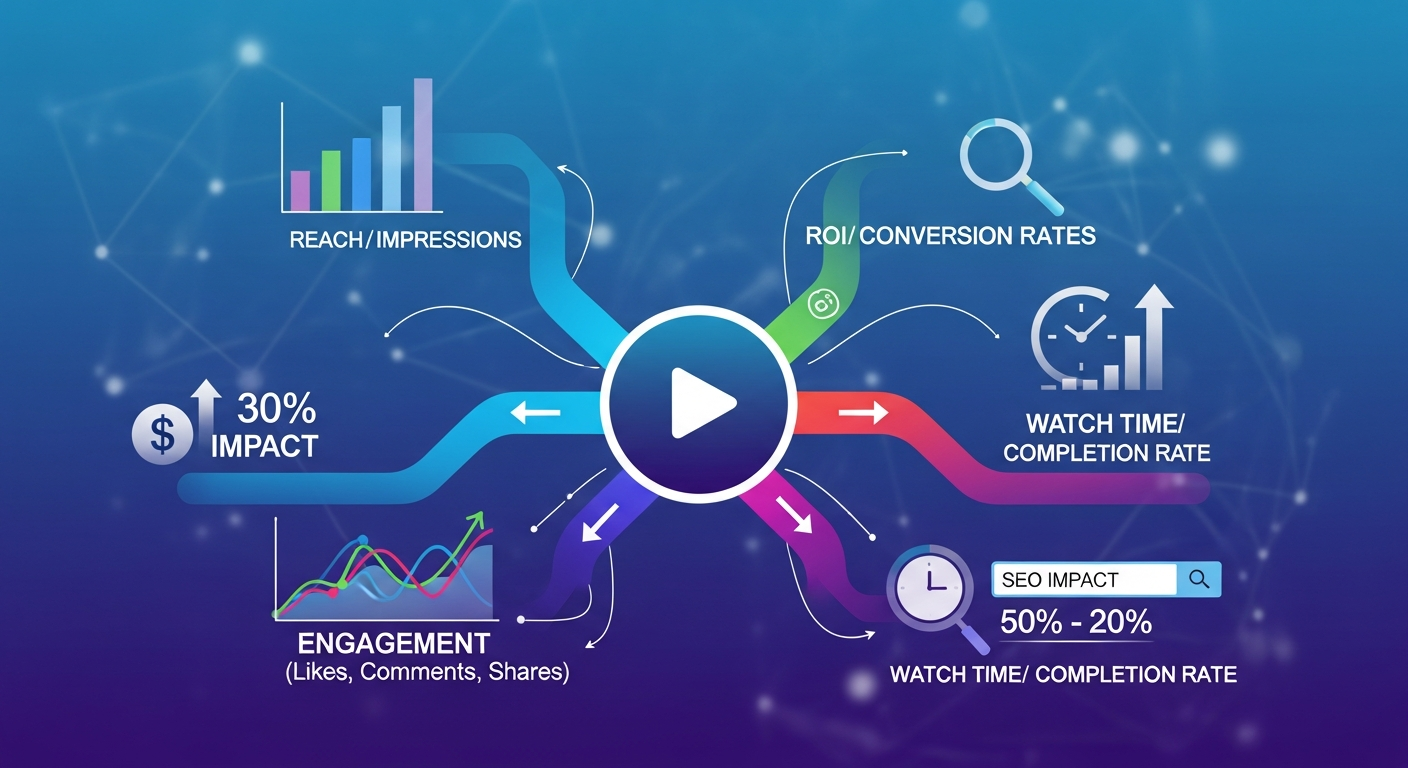
Track metrics that align with your video marketing objectives. View counts provide basic reach information, but engagement metrics like comments, shares, and saves offer better insights into content quality. Watch time and completion rates indicate how well your content holds viewer attention.
Conversion metrics become crucial when videos aim to drive specific actions. Track click-through rates, lead generation, and sales attributed to video content. Use platform analytics and UTM codes to measure how video content contributes to your broader marketing funnel.
A/B Testing Your Video Content
Test different video elements to optimize performance continuously. Experiment with thumbnail images, titles, posting times, and video lengths. Test different opening hooks to see what captures attention most effectively.
Document your findings and apply successful elements to future content. Small improvements in engagement rates compound over time, significantly impacting your overall video marketing results.
Advanced Video Marketing Strategies

Live Video and Real-Time Engagement
Live video creates urgency and encourages real-time interaction with your audience. Use live streaming for product launches, Q&A sessions, or behind-the-scenes events. Live videos often receive priority in social media algorithms, increasing your organic reach.
Video Series and Sequential Content
Create video series that keep audiences returning for more content. Sequential storytelling builds anticipation and increases overall engagement across multiple videos. Series also help establish regular viewing habits among your audience.
Cross-Platform Content Adaptation
Develop systems for adapting single video concepts across multiple platforms. A comprehensive tutorial might work well on YouTube in long form, while key tips from the same content could create multiple short-form videos for TikTok and Instagram Reels.
Your Next Steps in Video Marketing
Social media video marketing offers tremendous opportunities for brands willing to invest time and creativity in their content strategy. Start by selecting one or two platforms that align best with your target audience and business objectives. Focus on creating consistent, valuable content rather than trying to be everywhere at once.
Begin with simple video formats that showcase your expertise or products authentically. As you gain experience and see what resonates with your audience, gradually expand your video content types and platforms.
Remember that successful video marketing is a marathon, not a sprint. Consistency, authenticity, and audience focus will serve you better than expensive production values or viral content attempts. Start creating, keep learning, and adapt your strategy based on real performance data.
The Role of Storytelling in Video Marketing
Storytelling is one of the most powerful elements of successful video marketing. Rather than simply promoting a product or service, effective videos tell stories that emotionally connect with viewers. A strong narrative helps audiences relate to your brand, remember your message, and feel invested in what you offer. Social media users are more likely to engage with videos that reflect real experiences, challenges, or transformations. By structuring your videos with a clear beginning, middle, and end, you guide viewers through a meaningful journey. Whether it’s a customer success story, a brand origin story, or a day-in-the-life video, storytelling builds trust and authenticity. In a crowded content environment, stories help your videos stand out and leave a lasting impression.
The Importance of Consistency in Video Publishing
Consistency plays a critical role in building a successful social media video strategy. Posting videos regularly helps train platform algorithms to recognize your account as active and reliable, increasing the likelihood of your content being shown to more users. Consistent publishing also builds audience expectations, encouraging followers to return for future content. This does not mean posting daily if your resources don’t allow it; instead, choose a realistic schedule you can maintain long-term. Consistency in visual style, tone, and messaging is equally important. When your videos look and feel cohesive, your brand becomes more recognizable. Over time, consistent video output strengthens brand recall, engagement, and audience loyalty.
How Short-Form Videos Drive Brand Awareness
Short-form videos have become one of the most effective tools for building brand awareness. Platforms like TikTok, Instagram Reels, and YouTube Shorts prioritize quick, engaging content that captures attention within seconds. These videos are designed for fast consumption, making them ideal for introducing your brand to new audiences. Short-form content allows you to communicate a clear message, highlight a product feature, or share a useful tip without overwhelming viewers. Because these platforms rely heavily on algorithmic discovery, even small accounts can achieve significant reach. When used consistently, short-form videos help brands stay visible, increase impressions, and spark curiosity that leads users to explore longer content or visit your profile.
Using Captions and Subtitles to Increase Engagement

Captions and subtitles significantly enhance the effectiveness of social media videos. Many users scroll through social platforms with the sound turned off, especially in public or work environments. Without captions, your message may be lost entirely. Adding subtitles ensures that your content remains accessible and understandable regardless of audio settings. Captions also improve viewer retention, as people are more likely to watch videos longer when they can read along. Additionally, captions support accessibility for hearing-impaired audiences and make your content more inclusive. From an SEO perspective, captions can also reinforce keywords and context. Well-written, concise captions help your videos perform better across platforms.
Conclusion
Social media video marketing has become a cornerstone of modern digital strategies. By understanding platform-specific behaviors, creating audience-focused content, and consistently analyzing performance metrics, brands can build meaningful connections and drive measurable results. Success lies in authenticity, consistency, and a willingness to adapt as trends and algorithms evolve.
Frequently Asked Questions (FAQ)
1. Why is video content more effective than images on social media?
Video captures attention longer, delivers messages faster, and creates emotional connections through motion and sound, leading to higher engagement.
2. Which social media platform is best for video marketing?
It depends on your audience. YouTube suits long-form content, TikTok excels at viral short videos, Instagram supports visual storytelling, and LinkedIn is ideal for B2B videos.
3. How long should social media videos be?
Short-form videos (15–60 seconds) work best on TikTok and Instagram, while YouTube supports longer content depending on value and engagement.
4. Do I need professional equipment to start video marketing?
No. Good lighting, clear audio, and steady shots using a smartphone are enough to create effective videos.
5. How often should I post video content?
Consistency matters more than frequency. Start with 1–3 videos per week and scale based on capacity and performance.
6. What type of video content performs best?
Educational videos, behind-the-scenes clips, user-generated content, and product demonstrations consistently perform well.
7. How do I optimize videos for different platforms?
Adapt aspect ratios, video length, captions, and tone to each platform’s best practices and audience behavior.
8. Are captions important for video content?
Yes. Many users watch videos without sound, so captions improve accessibility and retention.
9. How can I measure video marketing success?
Track engagement, watch time, completion rate, conversions, and platform-specific analytics.
10. What is live video best used for?
Live video works well for product launches, Q&A sessions, announcements, and real-time audience engagement.
11. Can one video be reused across platforms?
Yes. Repurpose long videos into short clips and adapt formats to maximize reach across platforms.