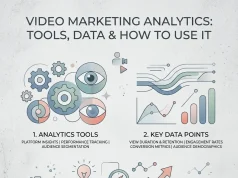
Video marketing helps brands engage audiences, tell authentic stories, boost visibility, and drive conversions through strategic storytelling, audience research, diverse formats, strong production, smart distribution, and performance tracking across social, search, email, live, and emerging interactive platforms for measurable growth.
Video marketing has become an indispensable tool for brands seeking to connect deeply with audiences and drive measurable results. As consumer attention spans shrink and competition intensifies, leveraging high-quality video content offers a unique opportunity to engage prospects, tell authentic stories, and guide users along the purchase journey.
Why Video Marketing Matters

Research shows that video content can increase user retention rates by up to 80 percent, making it one of the most effective formats for conveying complex information in an easily digestible way. Videos inspire emotional connections, boost brand recall, and can be repurposed across multiple channels, from social feeds to email campaigns. In addition, platforms like YouTube, LinkedIn, and Instagram prioritize video in their algorithms, giving brands an edge in organic reach. With the right plan, video marketing not only drives traffic but also accelerates conversions and amplifies customer loyalty.
Understanding Your Audience
Before rolling out any video initiative, take time to research your target audience. Analyze demographic data, customer pain points, and preferred content formats. Create buyer personas that highlight motivations, challenges, and preferred platforms. Surveillance of competitor videos can also reveal gaps and opportunities. By aligning your video content with audience expectations—whether they seek tutorials, behind-the-scenes insights, or product demos—you ensure higher engagement and more meaningful interactions that move viewers toward action.
Crafting a Compelling Story
At the heart of every successful video is a story that resonates. Begin by defining a clear objective: educate, entertain, inspire, or convert. Structure your narrative around a protagonist who faces a challenge, and then demonstrate how your product or service provides the solution. Use emotional triggers such as humor, surprise, or empathy to forge a deeper bond. Incorporate a strong call to action that tells viewers exactly what to do next, whether it’s visiting a landing page, subscribing to updates, or sharing the video with their network.
Choosing the Right Formats
Not all videos serve the same purpose. Short-form clips under 60 seconds are perfect for social media and quick brand awareness, while longer tutorials, webinars, or in-depth guides work well on YouTube and your website to establish authority. Live streams foster real-time engagement and build trust, whereas animated explainers simplify complex or technical concepts. Mixing formats allows you to target different stages of the buyer journey. A diverse content mix broadens your reach and keeps audiences engaged over time.
Video Production Best Practices
High-quality production is essential, but you don’t need a Hollywood budget to make an impact. Focus on clear audio, well-lit scenes, and stable camera work. Keep scripts concise and engaging, as viewers decide within seconds whether to continue watching. Use branded intros and outros to reinforce identity, but keep them short to avoid viewer drop-off. Experiment with different styles—interviews, screen recordings, motion graphics—and track which formats resonate most with your audience. Regularly reviewing performance metrics helps refine production choices and maximize engagement.
Optimizing for Search
Video SEO ensures your content is discoverable on search engines and platform feeds, making it easier for your target audience to find and engage with your videos. Begin with thorough keyword research to identify high-value queries related to your topic, focusing on terms your audience actively searches for. Incorporate these primary keywords naturally into the video title, description, and tags to improve ranking potential and relevance.
Providing a detailed transcript or captions not only enhances accessibility for viewers with hearing challenges but also helps search engines index your content more effectively, boosting overall visibility. An eye-catching thumbnail is crucial to attract clicks, while leveraging timestamps in descriptions improves the user experience by allowing viewers to jump directly to sections they are most interested in.
Embedding your videos on relevant blog posts or landing pages strengthens both the video’s authority and the page’s SEO performance, creating cross-linking benefits that improve search rankings. Additionally, optimizing file names, using structured data markup, and encouraging social sharing can further amplify your video’s reach. Regularly analyzing performance metrics such as watch time, click-through rate, and audience retention helps refine your Video SEO strategy, ensuring continued growth in visibility and engagement.
Distributing and Promoting Your Videos

Strategically share your videos across channels for maximum exposure. Post teasers on social media with links to the full version. Send targeted emails featuring your latest videos to segmented lists. Partner with influencers or industry publications to widen your reach. Consider paid promotion options like in-feed ads, sponsored posts, or video pre-rolls. Monitor performance in real time and adjust your budget to support top-performing content while testing new angles.
Measuring Performance and ROI
To justify investment, track both quantitative and qualitative metrics. View counts and watch time indicate engagement; click-through rates and conversion rates reveal effectiveness. Use UTM parameters to attribute inbound traffic and leads to specific videos. Monitor customer feedback in comments and social interactions for sentiment analysis. Compare production costs against revenue generated to calculate true ROI. Regular reporting helps you refine strategies, allocate resources wisely, and double down on content that moves the needle.
Leveraging Tools and Platforms

A variety of tools can significantly streamline your Video Marketing workflow and improve efficiency across planning, creation, distribution, and analysis. Social media management platforms like Hootsuite and Sprout Social simplify scheduling, track performance metrics, and provide insights to optimize posting times and engagement. Professional editing suites such as Adobe Premiere Pro and DaVinci Resolve allow for high-quality video production with advanced editing features, color correction, and special effects, giving your content a polished, professional look.
Cloud-based creation tools like Canva and Lumen5 accelerate video development by offering templates, drag-and-drop functionality, and AI-assisted editing, making it easier for marketers with limited design experience to produce visually appealing content. For live engagement, platforms like StreamYard or Zoom enable interactive sessions, webinars, and real-time Q&A, helping to build trust and foster direct audience connections.
Integrating Video Marketing with CRM and marketing automation systems allows you to track viewer behavior, trigger personalized follow-ups, segment audiences, and deliver targeted messaging based on engagement patterns. Using analytics from these platforms, marketers can identify which videos drive conversions, optimize content strategy, and allocate resources toward high-performing campaigns. By leveraging the right combination of tools, brands can maximize efficiency, maintain consistency, and ensure their Video Marketing efforts deliver measurable results.
Future Trends in Video Marketing
To stay ahead in the competitive landscape, brands must embrace emerging trends in Video Marketing that enhance engagement, personalization, and audience experience. Interactive videos are increasingly popular, allowing viewers to click on elements, explore multiple story paths, and make choices that guide the narrative—creating a more engaging and memorable experience. Shoppable videos take this further by enabling audiences to purchase products directly within the video player, reducing friction in the buyer journey and driving instant conversions.
Short-form vertical content continues to dominate mobile consumption, with platforms like TikTok, Instagram Reels, and YouTube Shorts catering to audiences seeking quick, snackable, and easily digestible videos. Meanwhile, virtual reality (VR) and 360-degree videos offer immersive experiences that allow viewers to feel part of the environment, whether for product demonstrations, virtual tours, or interactive storytelling.
Additionally, AI-driven personalization is transforming Video Marketing by analyzing viewer behavior and tailoring video snippets to individual preferences. This ensures highly relevant content is delivered to each viewer, increasing engagement, retention, and conversion rates. Emerging tools also allow real-time content adjustments, automated video creation, and predictive analytics to optimize performance.
By adopting these innovative strategies, brands can deepen audience connections, differentiate themselves from competitors, and maintain a forward-looking Video Marketing approach that adapts to changing consumer behaviors and technological advancements.
Conclusion and Next Steps
Video marketing offers unparalleled potential to engage audiences, showcase your brand story, and drive measurable ROI. Start by defining clear goals, crafting compelling narratives, and selecting the right formats. Optimize for search, distribute strategically, and measure performance to inform data-driven decisions. Experiment with new technologies and formats to stay ahead of the curve. With a consistent, audience-centered approach, your video marketing efforts will not only captivate viewers but also contribute significant value to your bottom line.
FAQ – Video Marketing
1. What is Video Marketing?
Video Marketing is the use of video content to promote brands, products, or services, engage audiences, and drive business results across digital platforms.
2. Why is Video Marketing important for businesses?
Video Marketing increases engagement, improves brand recall, boosts search visibility, and significantly improves conversion rates.
3. Which platforms are best for Video Marketing?
YouTube, Facebook, Instagram, LinkedIn, and websites are the most effective platforms for Video Marketing campaigns.
4. How does Video Marketing improve SEO?
Video Marketing improves SEO by increasing dwell time, generating backlinks, enhancing keyword visibility, and improving content discoverability.
5. What types of content work best in Video Marketing?
Product demos, tutorials, customer testimonials, brand stories, live streams, and short-form social videos perform best in Video Marketing.