Video marketing dominates, driving engagement, brand recall, and conversions. By defining clear objectives, understanding audiences, crafting compelling stories, optimizing SEO, using diverse formats, leveraging UGC, interactive features, paid promotion, and measuring performance, brands can maximize impact and growth.
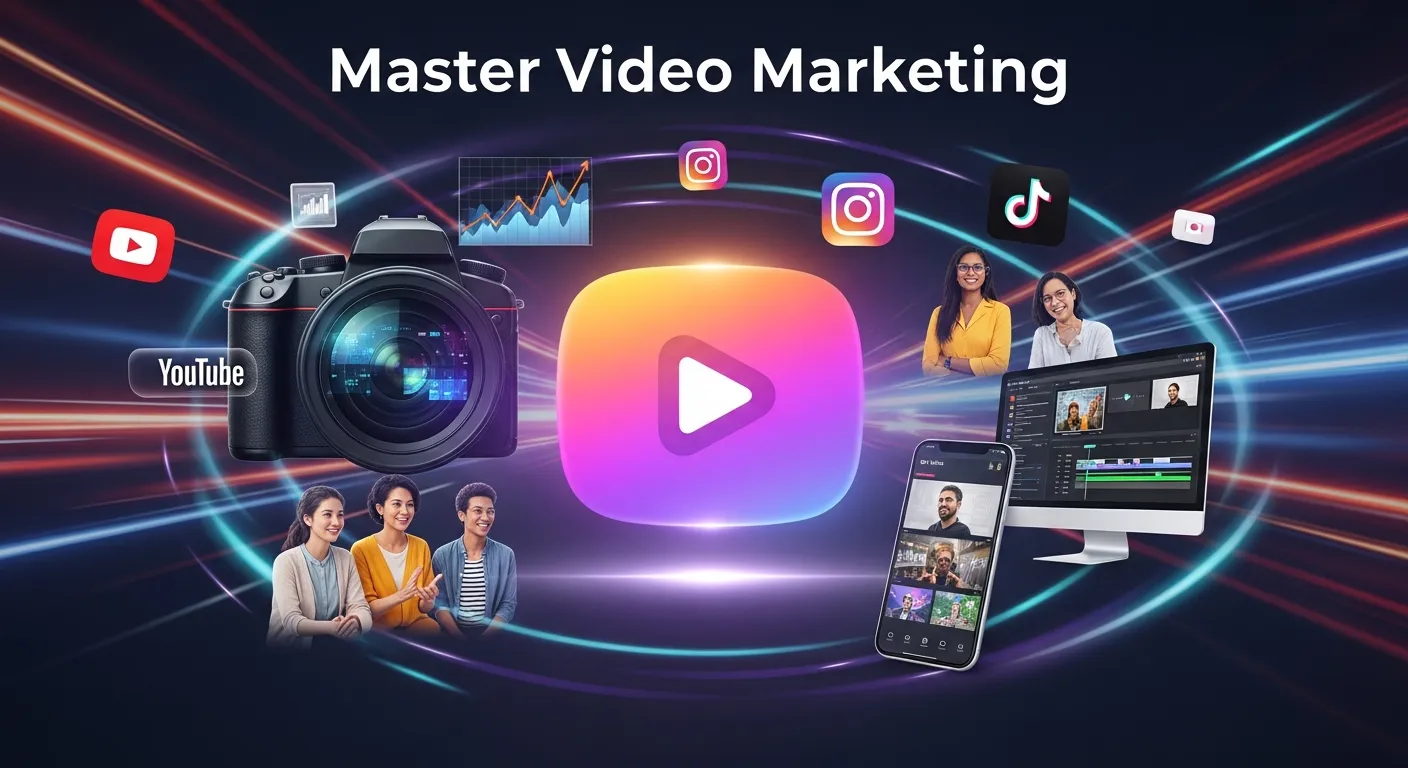
Video content has reshaped the way brands interact with audiences, emerging as the dominant force in digital marketing. According to recent studies, more than 80% of global internet traffic is attributed to video consumption, and this figure continues to climb. In 2026, viewers demand authentic, informative, and entertaining visual experiences across platforms ranging from YouTube to TikTok. Brands that harness the power of video marketing gain a competitive edge by driving higher engagement, enhancing brand recall, and fostering deeper emotional connections with their target audience
Emerging Trends in Video Marketing: Short-Form, Interactive, and Personalized Content
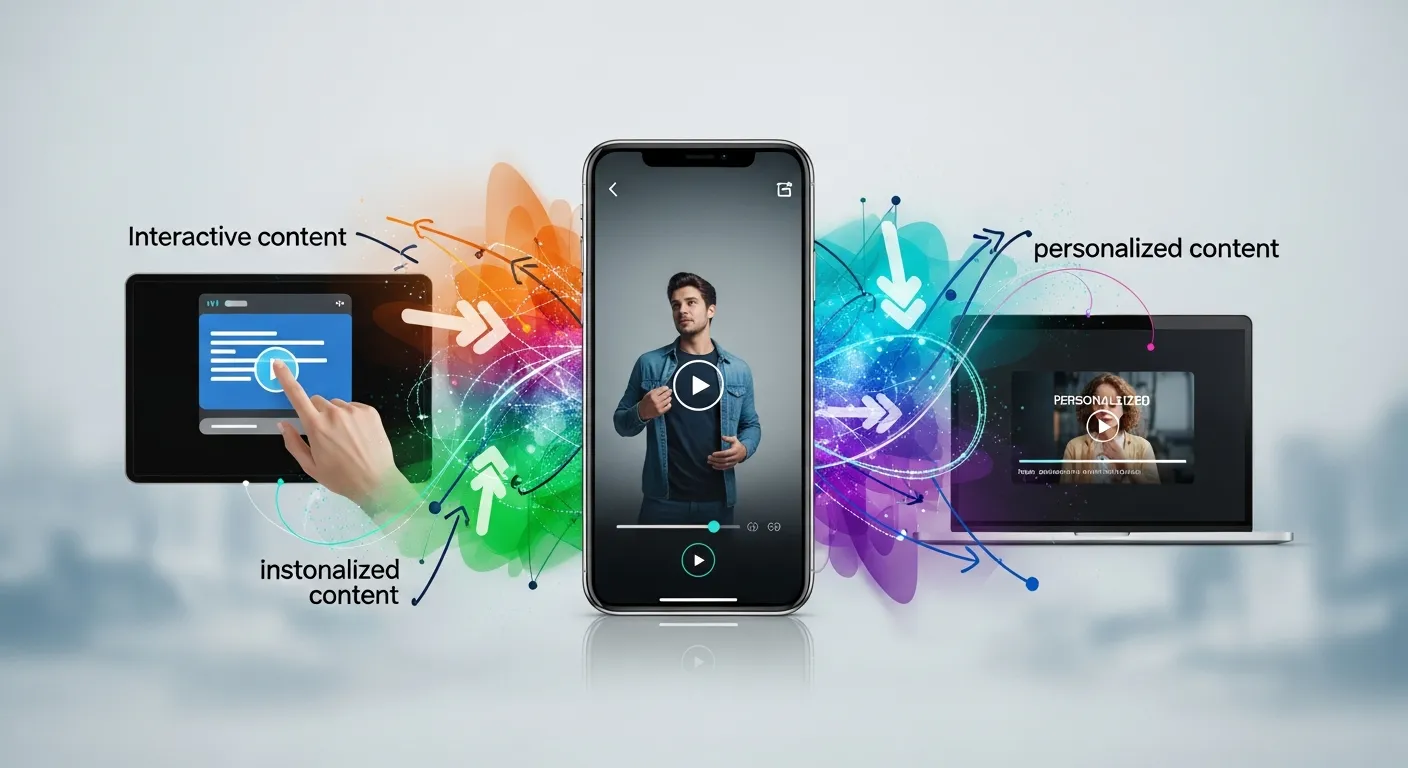 The digital ecosystem has evolved rapidly, giving rise to new formats, platforms, and consumer behaviors. Short-form videos dominate social feeds with bite-sized stories that capture attention in seconds, while long-form content on streaming sites and webinars engages viewers seeking in-depth insights. Interactive videos with clickable elements, shoppable tags, and immersive 360-degree experiences are gaining traction, offering fresh ways to engage consumers. Additionally, AI-driven personalization and analytics are enabling marketers to tailor content based on viewer preferences and behavior, maximizing relevance and impact. As video marketing continues to mature, understanding these trends is crucial to crafting strategies that cut through the noise and deliver tangible business outcomes. Learn more about The Ultimate Guide to Video Marketing Strategy.
Define Your Target Audience and Objectives
Every successful video marketing campaign begins with a clear understanding of your audience and campaign goals. Start by creating detailed audience personas, analyzing demographics, interests, pain points, and preferred content channels.
Next, align your video objectives with broader marketing goals—whether that’s increasing brand awareness, generating leads, educating customers, or driving conversions. Clearly defined objectives will guide creative decisions, content formats, budget allocation, and performance metrics.
By tailoring videos to specific audience segments and campaign goals, you ensure your content resonates more deeply, drives higher engagement, and delivers a measurable return on investment.
Craft Compelling Content with a Strong Narrative
 At the heart of every successful video lies a captivating story. Develop a narrative that connects emotionally with your audience by addressing real challenges, promising solutions, and showcasing genuine brand personality. Use proven storytelling frameworks, such as the hero’s journey or problem-solution arc, to structure your script and maintain viewer interest. Incorporate a clear call to action that aligns with your objectives, whether it’s visiting a landing page, subscribing to your channel, or completing a purchase. Remember, production quality matters, but authenticity often resonates more—focus on delivering value and building trust above all else.
Optimise Video SEO for Maximum Visibility
Creating great video content is only half the battle; ensuring that it gets discovered is equally important. Implement video SEO best practices by researching relevant keywords and incorporating them into your video titles, descriptions, tags, and transcripts. Craft compelling thumbnails and engaging previews to boost click-through rates. Host videos on platforms like YouTube, which is the second-largest search engine, and embed them on your website with schema markup to enhance search engine visibility. Additionally, use accurate closed captions and subtitles to improve accessibility and allow search crawlers to index your content more effectively.
Leverage Diverse Video Formats
To maximize reach and engagement, experiment with a variety of video formats. Short-form clips and teasers perform well on social media, where attention spans are limited. Long-form tutorials, webinars, and case studies excel at educating and nurturing leads. Testimonials, behind-the-scenes footage, and live streams foster authenticity and community interaction. Interactive videos with polls, quizzes, or shoppable links encourage active participation. By diversifying your video portfolio, you can cater to different audience preferences and touchpoints throughout the buyer’s journey, increasing the likelihood of meaningful engagement and conversion.
Incorporate Storytelling to Build Emotional Connection
Storytelling is a powerful tool for forging emotional bonds between your brand and your audience. Showcase real customers, employees, or brand ambassadors as protagonists to humanize your message. Use narrative arcs that evoke empathy—describe challenges, illustrate transformation, and celebrate success. Authentic testimonials and user-generated content amplify credibility and foster social proof. When viewers see their own experiences reflected in your stories, they’re more likely to trust your brand and remain engaged, driving both loyalty and advocacy.
Distribute Across Multiple Channels
An omnichannel distribution strategy ensures your video content reaches audiences wherever they spend time online.
- YouTube: Upload high-quality videos and optimize your channel with SEO-friendly titles, descriptions, and playlists to boost discoverability.
- Social Media: Share bite-sized clips on platforms like Instagram, TikTok, Facebook, and LinkedIn, customizing each video for the platform’s preferred format (vertical, horizontal, or square).
- Email Marketing: Embed videos in newsletters to increase open rates and click-throughs, providing engaging content directly to subscribers.
- Website & Landing Pages: Feature your best videos on your homepage or relevant landing pages to enhance user engagement and support conversions.
By diversifying distribution channels, you increase brand visibility, provide multiple touchpoints for potential customers, and maximize the ROI of your video marketing efforts.
Invest in Targeted Video Advertising

Paid video advertising accelerates growth by putting your content directly in front of highly relevant audiences. Platforms like YouTube, Facebook, Instagram, and LinkedIn offer advanced targeting options based on demographics, interests, behaviors, and remarketing lists.
Experiment with different ad formats—including skippable and non-skippable in-stream ads, discovery ads, and social feed placements—to determine which performs best for your goals.
Set clear KPIs, such as:
- View-Through Rates (VTR): Measure how many viewers watch your video to completion.
- Cost Per View (CPV): Track efficiency of spend per engaged viewer.
- Conversion Metrics: Assess actions taken after viewing, such as clicks, sign-ups, or purchases.
Continuously adjust budgets and targeting parameters based on performance data to optimize campaign efficiency and maximize your return on ad spend (ROAS).
Measure Performance and Refine Your Strategy
Data-driven decision-making is essential for optimizing video marketing campaigns. By analyzing performance metrics, you can identify what resonates with your audience and continuously improve ROI. Key metrics to monitor include:
- Watch Time & Audience Retention: Track how long viewers engage with your videos and pinpoint where drop-offs occur to optimize content length and pacing.
- Click-Through Rates (CTR): Evaluate the effectiveness of thumbnails, titles, and calls-to-action in driving viewers to watch your videos or visit landing pages.
- Conversion Rates: Measure how videos influence desired actions, such as purchases, sign-ups, or app downloads.
- Social Shares & Engagement: Assess likes, shares, comments, and mentions to understand reach, audience resonance, and community involvement.
By regularly reviewing these metrics, you can refine your content strategy, experiment with different formats, and focus on tactics that deliver measurable results.
Harness the Power of User-Generated Content
User-generated content (UGC) is a highly effective marketing strategy that leverages authentic voices from real customers to amplify your brand. By encouraging your audience to create and share videos, photos, or reviews—often through branded hashtags, contests, or challenges—you tap into genuine experiences that resonate more deeply than traditional advertising.
Collaborating with influencers and micro-influencers who share your brand values can further expand reach, lending credibility and attracting new followers. Curate the highest-quality submissions and feature them in your marketing campaigns, website galleries, or social media posts to build social proof, trust, and a sense of community.
Beyond authenticity, UGC reduces production costs while providing a constant stream of fresh, engaging content. Audiences perceive peer-generated material as more credible than polished corporate messaging, making it a powerful tool for increasing engagement, conversions, and brand loyalty.
Key Benefits of UGC:
- Authenticity & Trust: Real users sharing experiences foster credibility.
- Cost Efficiency: Lower production costs compared to professionally made content.
- Community Engagement: Strengthens brand community and encourages participation.
- Social Proof: Influences purchasing decisions by showcasing satisfied customers.
By strategically integrating UGC into your marketing efforts, you can create compelling campaigns that feel genuine, inspire interaction, and drive measurable results.
Stay Ahead with Emerging Trends and Technologies

The video marketing landscape continues to evolve, driven by innovations like augmented reality (AR), virtual reality (VR), and AI-powered editing tools. Experiment with interactive and immersive experiences such as 360-degree videos, shoppable video ads, and live commerce streams. Explore AI-driven customization that tailors video content based on user data and behavior. Monitor new platform features—like Instagram Reels Remix or LinkedIn Live—to capitalize on early adoption advantages. By staying informed and agile, you can leverage cutting-edge trends to set your brand apart and maintain a competitive edge.
Conclusion
Video marketing offers unprecedented opportunities to connect, educate, and convert audiences with dynamic visual storytelling. By defining clear objectives, crafting compelling narratives, optimizing for SEO, and leveraging diverse formats and distribution channels, you can amplify your brand’s reach and drive meaningful engagement. Continual measurement, audience feedback, and experimentation with emerging trends will ensure your strategy remains relevant and effective. Embrace these ten essential strategies as your roadmap to video marketing success, and start creating content that captivates viewers and fuels your business growth today.
Frequently Asked Questions
1. Why is video marketing essential?
Video drives higher engagement, brand recall, emotional connection, and conversions. With over 80% of internet traffic from video, it’s critical for capturing audience attention across platforms.
2. What types of video formats should brands use?
Short-form clips, long-form tutorials, webinars, testimonials, behind-the-scenes videos, live streams, and interactive experiences like polls, quizzes, and shoppable content.
3. How can I optimize videos for SEO?
Use keyword-rich titles, descriptions, tags, and transcripts. Embed videos on your website with schema markup, craft engaging thumbnails, and include closed captions for accessibility and search engine indexing.
4. Which distribution channels are most effective?
YouTube, TikTok, Instagram, Facebook, LinkedIn, email newsletters, and websites. Tailor content format (vertical vs. horizontal) and messaging to each platform for maximum engagement.
5. How does storytelling enhance video marketing?
Storytelling builds emotional connections, humanizes your brand, and increases engagement. Using narrative arcs, authentic testimonials, and real-life scenarios fosters trust and social proof.
6. What role does user-generated content (UGC) play?
UGC showcases authentic customer experiences, builds trust, amplifies social proof, reduces production costs, and encourages community involvement.
7. Should brands invest in paid video advertising?
Yes. Paid ads on platforms like YouTube, Facebook, and LinkedIn help reach highly targeted audiences, accelerate conversions, and maximize ROI through clear KPIs like view-through rate and cost per view.
8. How can interactive elements improve engagement?
Features like clickable hotspots, quizzes, branching paths, and shoppable links encourage participation, increase view time, and capture valuable first-party data.
9. How do I measure video marketing performance?
Track KPIs like watch time, audience retention, click-through rate, social shares, and conversions. Use platform analytics, CRM, and marketing automation to gain actionable insights.
10. What trends should I monitor in video marketing?
Augmented reality (AR), virtual reality (VR), AI-powered editing, 360-degree videos, live commerce, and new platform features like Instagram Reels Remix or LinkedIn Live. Early adoption offers competitive advantages.