In today’s digital landscape, simply publishing a video isn’t enough. Brands must understand how each asset performs, which segments keep viewers engaged, and how video content drives real business outcomes. By measuring and analyzing key performance indicators (KPIs), marketers can allocate budgets more effectively, fine-tune content strategies, and ultimately maximize return on investment (ROI).
Aligning Metrics with Business Goals
 Before diving into numbers, define clear objectives. Are you aiming to raise brand awareness, generate leads, or boost online sales? Each goal corresponds to specific metrics. For brand awareness, total views and social shares matter most. If lead generation is paramount, focus on click-through rate (CTR) and conversion events. By mapping metrics to strategic priorities up front, you ensure that your analysis drives decisions that support overarching business targets. Learn more about The Ultimate Guide to Video Marketing.
Key Video Marketing Metrics to Track
1. View Count & Watch Time
View count provides a basic gauge of reach, but watch time reveals how long audiences actually stay tuned in. A high view count with low average watch time suggests content is attracting clicks but failing to retain attention. Conversely, strong watch time indicates compelling storytelling and relevance. Optimizing for both metrics means creating thumb-stopping thumbnails, engaging openings, and pacing stories to sustain interest throughout the video.
2. Completion Rate & Audience Retention
Completion rate measures the percentage of viewers who watch your video from start to finish. Audience retention dives deeper, showing which timestamps experience the most drop-offs. Use retention graphs to identify weak moments—perhaps a slow introduction or off-topic segment—and revise future scripts accordingly. High completion and retention rates often correlate with stronger brand recall and higher conversion probabilities.
3. Engagement Rate
Engagement rate aggregates likes, comments, shares, and other interactions relative to total views. Platforms like YouTube, LinkedIn, and Facebook prioritize content that sparks conversations. A high engagement rate signals strong viewer interest and community involvement, which can amplify organic reach and reinforce brand credibility.
4. Click-Through Rate (CTR) & Conversion Events
CTR measures how many viewers click on a call-to-action (CTA) link or end-screen prompt. Beyond that, track downstream conversions—newsletter signups, resource downloads, or purchases—that originate from video campaigns. By comparing CTR with actual conversion rates, you can assess funnel efficiency and optimize CTAs, annotations, and video placement to drive tangible results.
5. Social Shares & Referral Traffic
When viewers share your video, they become brand advocates, extending reach into new networks. Monitor share counts on each platform and use UTM parameters to track referral traffic in Google Analytics. Understanding which topics and formats encourage sharing helps you craft future videos with viral potential.
Choosing the Right Analytics Tools
 A variety of platforms offer built-in analytics for video marketing:
- YouTube Analytics: Ideal for viewership trends, demographics, retention graphs, and revenue reports.
- Vimeo & Wistia: Provide heatmaps, engagement metrics, and lead-generation embeds for B2B audiences.
- Vidyard & Brightcove: Offer advanced A/B testing, video gating, and integrations with CRM systems.
- Google Analytics: Use UTM tracking and event goals to unify video data with website performance.
Collecting & Analyzing Data
Regular reporting—weekly or monthly—ensures you spot trends and anomalies quickly. Build dashboards in tools like Google Data Studio or Tableau to visualize key metrics side by side. Compare performance across video formats (live streams, tutorials, testimonials) and distribution channels (social, email, paid ads). Identify top performers and replicate their success in future productions.
Storytelling & Narrative Techniques
Effective video marketing metrics are rooted in strong storytelling. Beyond visuals, a compelling narrative captures attention, evokes emotions, and encourages viewers to take action. Start with a clear hook in the first 10–15 seconds to engage audiences immediately, then introduce the problem and present your solution in a relatable way. Maintain a coherent structure with a logical beginning, middle, and end while pacing content to retain interest. Integrate brand values subtly throughout the story to strengthen recognition and loyalty. Even in short-form videos, storytelling creates emotional connections, enhances retention, and drives higher conversion rates. By refining narrative techniques, marketers can craft memorable experiences that resonate and inspire long-term engagement.
Thumbnail & Title Optimization
Thumbnails and titles act as the gateway to your video content. A high-quality, visually appealing thumbnail grabs attention, conveys the video topic instantly, and aligns with brand aesthetics. Titles should be concise, keyword-optimized for search, and clear about the value viewers will gain. Avoid clickbait, which may drive initial clicks but harm retention and credibility. A/B testing different thumbnails and titles reveals which combinations generate the highest click-through rates (CTR). Optimized visuals and titles not only increase organic reach but also ensure that the audience clicking on your video is genuinely interested, leading to better watch time, engagement, and conversion rates over time.
Platform-Specific Strategies
Each video platform has unique algorithms, audience preferences, and optimal content formats. YouTube favors longer, in-depth content with strong watch time, while TikTok and Instagram emphasize short, snackable, highly visual clips. Tailoring content for each platform maximizes reach, engagement, and conversions. Consider ideal posting times, caption styles, hashtags, and recommended video lengths to enhance visibility. Repurposing one video across multiple platforms allows you to reach different audiences efficiently while maintaining consistent branding. Monitoring platform analytics provides insights into audience behavior, helping marketers optimize future content. Understanding platform-specific trends ensures campaigns perform well and connect with viewers where they are most active, enhancing overall ROI.
Interactive & Engagement Features
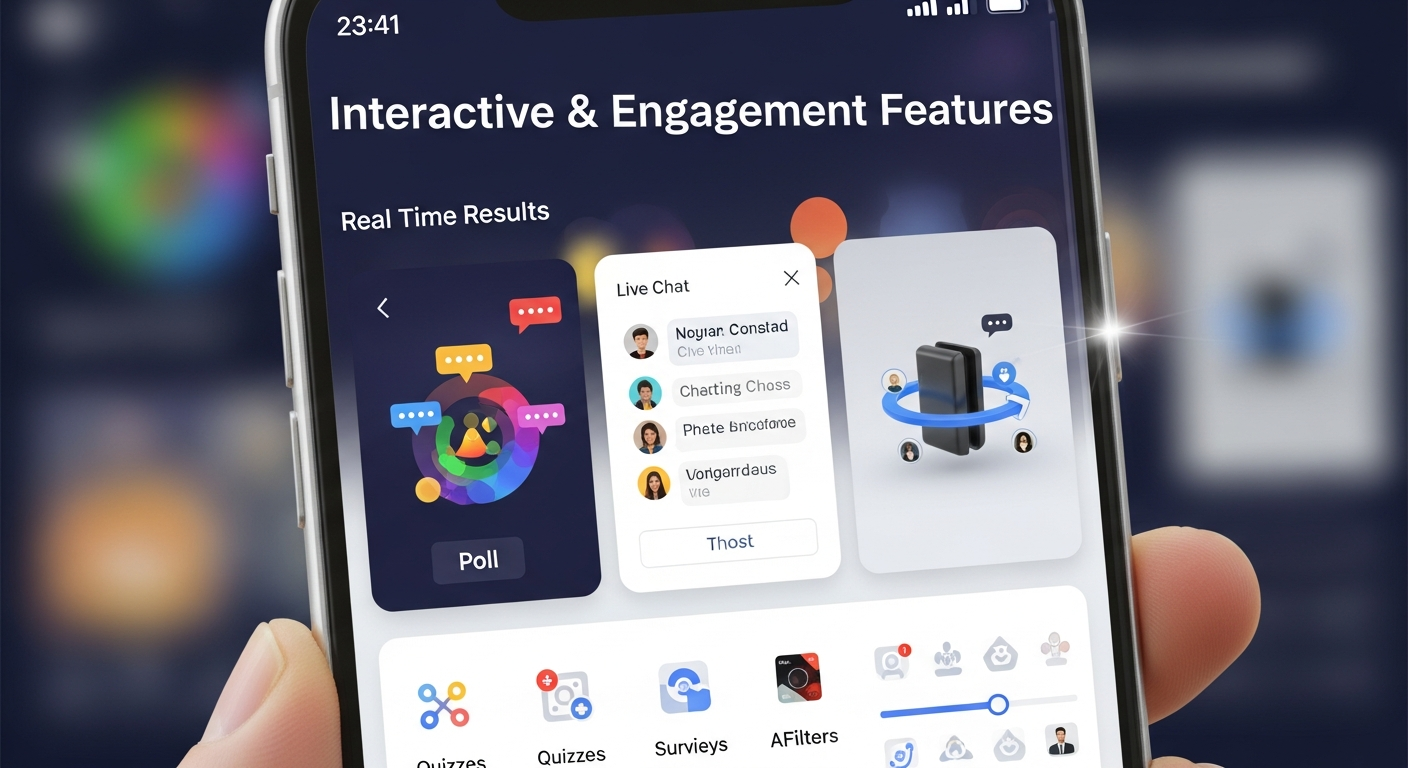 Integrating interactive elements into videos increases engagement and viewer participation. Features such as polls, quizzes, clickable annotations, and end screens encourage active interaction rather than passive watching. Interactive content not only keeps audiences engaged longer but also provides valuable data on preferences, interests, and behaviors. Platforms like YouTube, Instagram, and LinkedIn support various interactive tools that can drive traffic to landing pages or lead generation forms. By incorporating interactivity strategically, marketers can enhance the user experience, foster a sense of community, and increase conversions. Well-designed interactive videos encourage repeated views, shares, and deeper connection with the brand, transforming viewers into loyal, engaged customers over time.
Video SEO & Metadata Optimization
Optimizing video metadata is critical for search visibility and discoverability. Titles, descriptions, tags, and captions should include relevant keywords to help search engines understand content context. Closed captions enhance accessibility, improve comprehension, and contribute to higher retention. Adding structured metadata such as timestamps, chapters, and playlists improves navigation and increases watch time. Embedding videos on high-traffic pages and optimizing thumbnails and image previews also enhances organic reach. Video SEO ensures your content is discoverable by both search engines and platform algorithms, driving targeted traffic, improving engagement, and increasing conversions without relying solely on paid promotion. Proper optimization ensures maximum ROI from each video asset.
Repurposing & Cross-Channel Promotion
Maximizing the value of video content involves repurposing it across formats and channels. Long-form videos can be edited into short clips, GIFs, or teaser content for social media, newsletters, and blogs. Repurposing increases content longevity and reinforces messaging without additional production costs. Cross-channel promotion ensures consistency in brand messaging while driving traffic across different platforms. For example, a webinar can become a YouTube series, LinkedIn snippet, and Instagram Reel simultaneously. Tracking performance across these channels identifies which formats resonate best with different audiences. Strategic repurposing and cross-promotion boost reach, engagement, and ROI, ensuring that every video asset contributes multiple touchpoints for meaningful audience interaction.
Optimizing Video Campaigns Based on Insights
Collecting data is only useful if it informs action. To maximize the impact of your video campaigns, closely analyze key metrics and make targeted adjustments:
- Address Retention Issues: If your videos attract high view counts but show low watch time, identify segments where viewers drop off. Experiment with shorter formats, punchier openings, or restructured storytelling to maintain attention. Consider using hooks within the first 10–15 seconds to immediately capture interest.
- Improve Click-Through Rates (CTR): Low CTR indicates that viewers are not taking the desired actions. Test new thumbnail designs, compelling titles, and clear, action-oriented CTAs. Reposition CTAs earlier in the video, ensuring they are visible when viewers are most engaged.
- A/B Testing for Optimization: Systematically test variations of video elements such as intros, titles, descriptions, graphics, or end screens. Compare each variation against a control group to determine which changes produce statistically significant improvements.
- Iterate Based on Engagement Patterns: Use audience retention graphs, heatmaps, and engagement reports to understand viewer behavior. Adjust pacing, visuals, or content structure to keep viewers engaged for longer durations.
- Leverage Analytics Insights Across Campaigns: Apply findings from high-performing videos to future projects. Replicate successful strategies, adapt underperforming concepts, and continuously refine your approach based on data trends.
- Continuous Monitoring and Adjustment: Optimization is an ongoing process. Track performance regularly, adjust strategies in real time, and maintain a cycle of testing and iteration. Over time, these improvements compound, leading to higher engagement, better conversion rates, and stronger ROI.
By acting on insights, marketers can transform raw data into actionable strategies, ensuring each video performs at its maximum potential and contributes meaningfully to broader business objectives.
Case Study: Data-Driven Video Revamp

A software company faced stagnant demo video conversions despite strong view counts. By analyzing audience retention, they discovered a 40% drop-off at the two-minute mark. The team repurposed the most engaging segments to create a 90-second teaser with a clear CTA in the first 30 seconds. After relaunch, completion rate rose by 35% and demo signups increased by 22%—a testament to the power of metric-driven optimization.
Best Practices & Pro Tips
- Set SMART Goals: Define Specific, Measurable, Achievable, Relevant, and Time-bound objectives for every video.
- Track Metrics Holistically: Monitor both macro metrics (views, conversions) and micro metrics (drop-off points, click hotspots).
- Use Visual Insights: Apply heatmaps and scrollmaps for embedded videos to understand viewer behavior.
- Iterate Quickly: Test one variable at a time to clearly identify what works.
- Document & Share Learnings: Maintain a shared library to guide cross-team strategies and improve future campaigns.
Conclusion
Mastering video marketing metrics is not a one-time task—it’s an ongoing process of setting goals, collecting data, and refining content. By focusing on the right KPIs, leveraging analytics tools, and implementing data-driven optimizations, you can transform your video strategy into a high-performance engine that drives engagement, conversions, and sustained ROI. Start measuring today and unlock the full potential of your video investments.
Frequently Asked Questions
Q1: Why are video marketing metrics important?
A: Metrics help assess content performance, identify areas for improvement, and optimize strategies to achieve business objectives like brand awareness, lead generation, and sales.
Q2: What are the most critical KPIs to track?
A: View count, watch time, completion rate, audience retention, engagement rate, click-through rate (CTR), conversion events, social shares, and referral traffic.
Q3: How do I align metrics with business goals?
A: Define objectives first—e.g., for brand awareness, track views and shares; for lead generation, focus on CTR and conversions. Map metrics to goals for actionable insights.
Q4: Which analytics tools are best for video marketing?
A: YouTube Analytics, Vimeo, Wistia, Vidyard, Brightcove, and Google Analytics. Use these to monitor performance, retention, and conversions.
Q5: How can I optimize videos based on metrics?
A: Use retention data to identify drop-off points, experiment with video length, improve CTAs, test thumbnails, and iterate based on engagement and conversion performance.
Q6: How often should I analyze video metrics?
A: Regular reporting is key—weekly, bi-weekly, or monthly—depending on campaign volume. Dashboards help visualize trends and compare performance across formats and channels.
Q7: Can data-driven optimization improve ROI?
A: Yes. Analyzing KPIs and making targeted adjustments increases engagement, boosts conversions, and ensures marketing spend delivers maximum return.