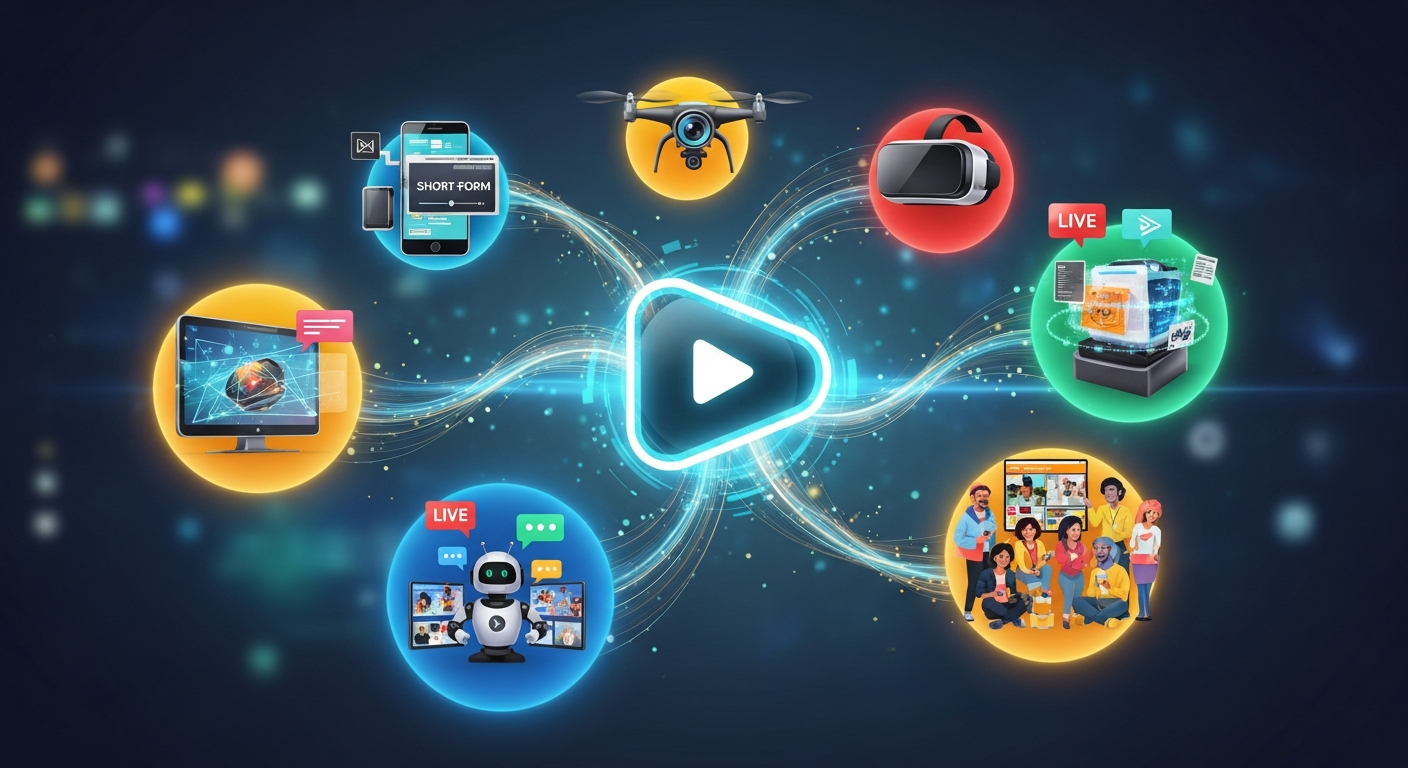
Innovative video marketing trends help brands boost engagement and visibility through short-form videos, personalization, live streaming, and AI-driven content. Adapting to these trends enables businesses to connect with audiences and drive stronger marketing results.
In today’s digital landscape, brands of all sizes are competing for attention in an ever-expanding sea of content. Among all channels, video marketing stands out as a dynamic medium for storytelling, audience engagement, and conversion optimization. As consumer behaviors evolve and platforms refine their algorithms, staying current with the latest video marketing trends is essential for any organization aiming to elevate its brand. This year, marketers are leveraging innovative formats that blend interactive elements with data-driven personalization, maximizing ROI while fostering deeper connections.
In this comprehensive article, we explore five pivotal sections that highlight the most impactful video marketing trends shaping strategies today. From vertical, snackable clips to AI-fueled dynamic content, we detail practical tactics, real-world examples, and measurement frameworks that will empower you to refine your approach. Along the way, you’ll discover best practices grounded in research from authoritative sources like Pew Research Center and government resources such as USA.gov, ensuring your campaigns remain data-informed and compliant. Whether you’re a small business owner or a seasoned marketing executive, these insights will help you craft high-performing video campaigns that resonate with modern audiences.
Embracing Vertical and Short-Form Video Formats
Mobile consumption continues to surge, with studies reporting that over two-thirds of internet traffic originates from smartphones. As attention spans dwindle, video marketing trends have shifted toward concise, vertically oriented content that maximizes impact in seconds. Platforms like TikTok, Instagram Reels, and YouTube Shorts now boast active user bases exceeding one billion, making vertical clips an indispensable asset for brands seeking organic reach. If you want to create high-performing clips, explore short-form video content strategies.
To capitalize on these platforms, marketers should focus on three core tactics. First, craft attention-grabbing openings that hook viewers in the first three seconds through bold text overlays, dynamic transitions, or intriguing questions. Second, integrate branding in a contextual, non-intrusive way—embed your logo within the scene rather than resort to abrupt pop-ups. Third, optimize technical specifications for each channel: aspect ratio (9:16 for vertical, 1:1 for certain Instagram ads), caption styles for viewers who watch muted, and audio balancing tailored to mobile listening environments.
Equally important is the strategic use of calls-to-action (CTAs). Native platform stickers such as “Learn More” on Instagram Stories and swipe-up links on TikTok can drive traffic without disrupting the viewing experience. Consider A/B testing different CTA placements—bottom third, end card, or mid-roll prompt—to determine which position yields the highest click-through rate. By investing in short-form, vertical video, brands can tap into powerful algorithms that favor engagement, fostering community interaction through likes, shares, duets, and comments.
Finally, don’t underestimate the power of user-generated content (UGC). Encourage followers to create their own interpretations of your brand story, then repurpose the best submissions as authentic testimonials. This approach not only enhances credibility but also multiplies content volume without inflating production budgets. When applied thoughtfully, vertical and short-form videos serve as the cornerstone of a nimble, effective video marketing strategy.
Crafting Interactive Video Experiences for Enhanced Engagement
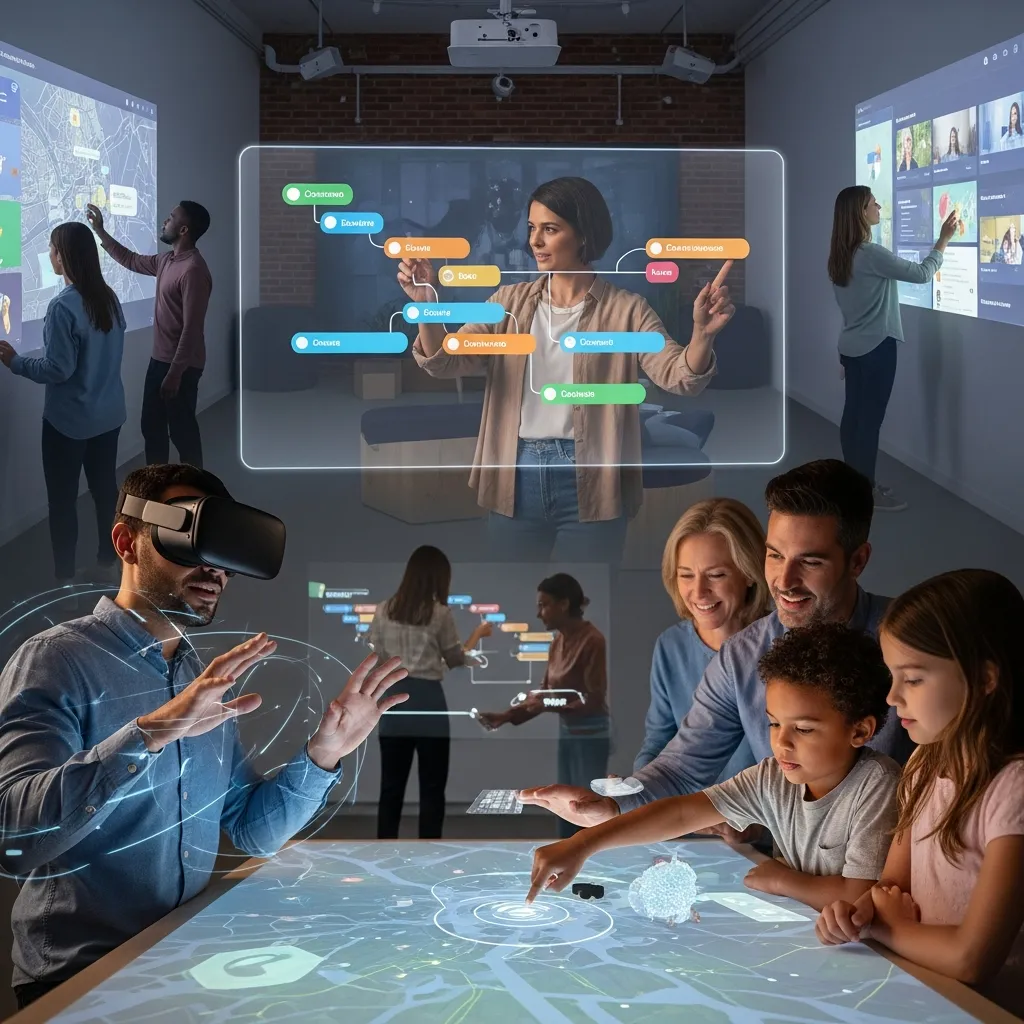
Static videos can inform, but interactive videos captivate. By integrating clickable hotspots, branching narratives, and quizzes, brands can elevate the viewer from a passive observer to an active participant. This participatory approach not only increases watch time but also delivers valuable audience insights that guide future creative iterations.
One popular format is branching storylines. At designated decision points, viewers choose their preferred narrative path—whether it’s exploring different product features or discovering use-case scenarios. This personalized journey fosters a one-to-one interaction, making each viewer feel uniquely valued. Another compelling option is shoppable overlays, where product tags embedded within the video allow users to add items to cart in real time. Online retailers leveraging this method have witnessed substantial uplifts in conversion, as the seamless path from inspiration to purchase removes friction from the shopping experience.
Embedding quizzes and polls offers dual benefits: higher engagement metrics and richer first-party data. For instance, a cosmetics brand might ask viewers to select their skin type before revealing a tailored tutorial, simultaneously capturing demographic data for targeted remarketing. Similarly, 360° and VR video immersions—particularly relevant for travel, real estate, and high-end retail—invite viewers to explore virtual spaces, further deepening emotional connection.
To manage complexity, start small. Pilot simple hotspots or timed surveys before scaling to multi-layered experiences. Monitor key indicators such as click-through paths, dwell time at decision nodes, and abandonment points to pinpoint friction. Use these analytics to refine flow, messaging tone, and interactive design. In an era where personalization reigns supreme, interactive video stands out as a potent tool for boosting engagement and gathering actionable insights.
Leveraging AI-Driven Personalization in Video Campaigns
Artificial intelligence is at the forefront of transformative video marketing trends, enabling brands to deliver hyper-personalized content at scale. By analyzing viewer profiles—demographics, browsing history, purchase behavior—AI engines can assemble dynamic video variations in real time. This capability dramatically increases relevance and conversion potential.
AI-driven video personalization typically involves modular templates. Each template includes interchangeable scenes, voiceovers, and text overlays tagged with metadata. When a viewer lands on the video, the AI algorithm selects the version most likely to resonate—swapping in localized language, adjusting visuals based on past interactions, or highlighting product categories that align with the individual’s browsing patterns. Brands employing this strategy have reported conversion lifts exceeding 30%, thanks to content that feels tailor-made rather than mass-produced.
Beyond assembly, AI can optimize production workflows. Automated transcription services and natural language processing facilitate rapid subtitle generation, improving accessibility and SEO. Meanwhile, machine learning models can analyze heatmaps and facial expressions to identify which shots evoke the strongest emotional response, guiding future creative decisions.
When implementing AI-driven personalization, ensure you have clean, compliant data sources. Collaboration between marketing, IT, and creative teams is essential to define personalization rules, maintain brand consistency, and uphold privacy regulations. Also, be transparent with viewers. Clearly communicate how data is used to enhance their experience, aligning with guidelines from authorities like the Federal Trade Commission. By harmonizing AI with human creativity, marketers can produce video content that resonates deeply and scales efficiently.
Harnessing Live Streaming and Real-Time Audience Connection
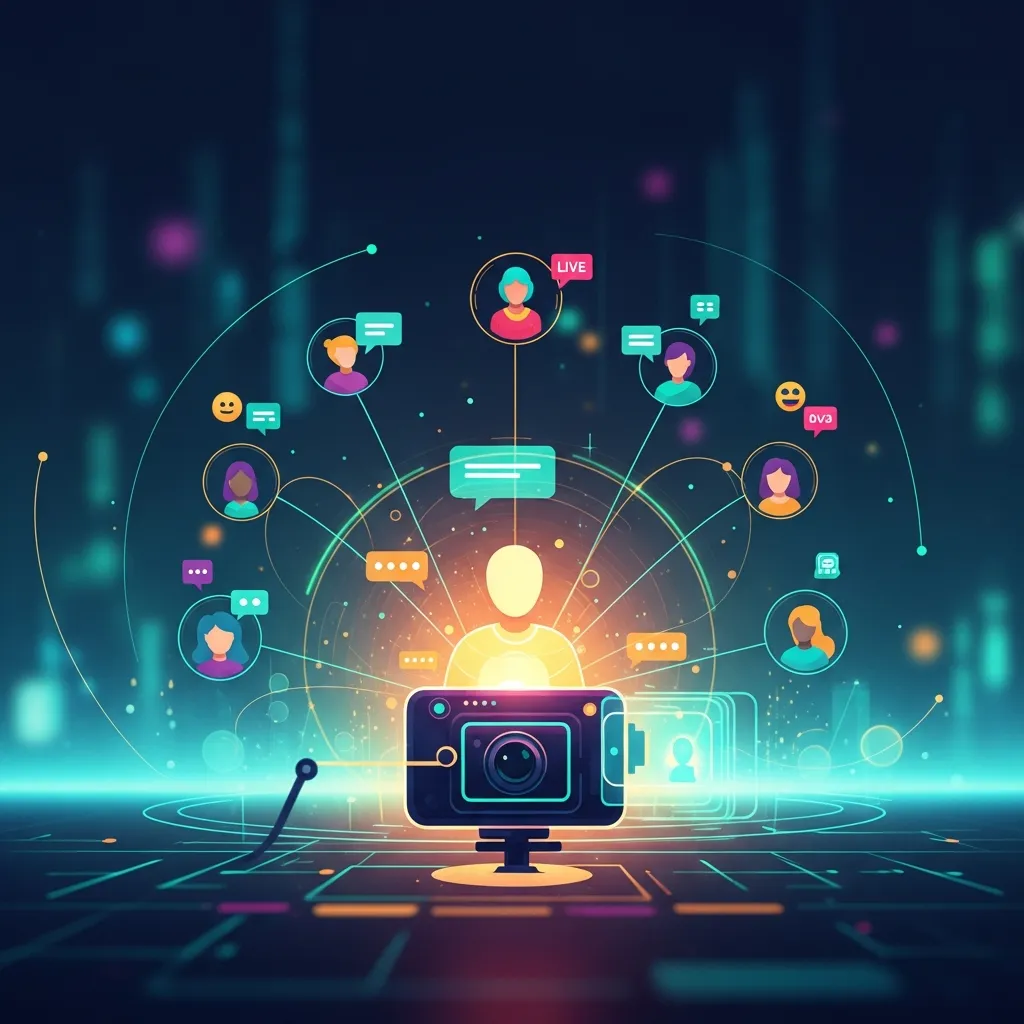
In an age of curated feeds and scheduled posts, live streaming cuts through the polished veneer to deliver authenticity and immediacy. Live video empowers brands to foster genuine dialogue with their audience, building trust and reinforcing community bonds. Whether you’re hosting a product launch, conducting a behind-the-scenes tour, or moderating a Q&A, streaming in real time generates excitement and urgency.
Successful live events hinge on meticulous promotion. Tease the broadcast across email newsletters, social media profiles, and paid ads, emphasizing exclusive reveals or limited-time offers. Assign a dedicated moderator to manage incoming questions, run interactive polls, and keep the conversation flowing. This role is critical for maintaining engagement and ensuring viewers’ voices are heard.
Post-event, extend the value of your live session by repurposing highlights. Edit key moments into short clips for social media, convert discussions into blog summaries optimized for SEO, and distribute audio snippets as podcast episodes. This multi-format approach amplifies reach and caters to diverse content consumption preferences.
Finally, consider cross-platform simulcasting to tap into varied audience segments. Broadcasting on LinkedIn, Facebook, YouTube, and your own website concurrently maximizes exposure and mitigates platform-specific algorithm constraints. Monitor live metrics—peak concurrent viewers, average view duration, live chat volume—to evaluate performance in real time. With strategic planning and interactive elements, live streaming can become a cornerstone of your video marketing toolkit.
Tracking Performance: KPIs and Analytics for Video Success

Innovative video marketing trends are only as effective as the metrics that measure them. To demonstrate ROI and refine your approach, establish a robust analytics framework centered on KPIs that align with your business objectives. Beyond traditional measures like view counts and likes, focus on engagement, conversion, and efficiency indicators.
Engagement rate aggregates metrics such as watch time, comments, and shares relative to impressions, revealing how captivating your content is. Conversion rate tracks the percentage of viewers who take a desired action—newsletter sign-ups, product purchases, or demo requests—directly linked to video interactions. For paid campaigns, cost-per-view (CPV) and cost-per-acquisition (CPA) are critical for budgeting and bid optimization, ensuring you achieve the lowest possible spend for each outcome.
Drop-off analysis pinpoints timestamps where audience abandonment spikes, guiding adjustments to pacing, content structure, or CTA placement. Additionally, multi-touch attribution models help you understand how video content collaborates with other channels—email, social, search—in driving conversions. Use platforms like Google Analytics, Wistia, or Vidyard, and integrate with your CRM to centralize data and automate reporting.
Regular A/B tests—comparing variations in thumbnail imagery, video length, or narrative style—provide empirical evidence about what resonates best. Set benchmarks for each KPI and review performance every month to detect trends and seasonal shifts. Continuous measurement and agile iteration transform video marketing from a shot-in-the-dark effort to a strategically guided investment.
Conclusion
As brands navigate the complexities of today’s digital marketplace, staying ahead of video marketing trends is non-negotiable. By embracing vertical short-form content, immersive interactive formats, AI-driven personalization, live streaming, and rigorous analytics, marketers can craft campaigns that not only capture attention but also drive tangible results. Remember to source insights from reputable authorities, maintain a user-centric mindset, and continuously iterate based on real-time data. With these strategies and best practices in your arsenal, you’ll be well-equipped to elevate your brand, scale your reach, and achieve sustainable growth in today’s competitive landscape.
Frequently Asked Questions
What are vertical and short-form videos, and why are they important?
Vertical and short-form videos are concise, mobile-optimized clips designed to capture attention quickly. They align with modern viewing habits on platforms like TikTok and Instagram Reels, driving higher engagement and organic reach.
How do interactive video elements boost viewer engagement?
Interactive features—such as clickable hotspots, branching narratives, and quizzes—turn passive viewers into active participants. This increases watch time, provides richer audience insights, and enhances personalization.
What role does AI-driven personalization play in video marketing?
AI-driven personalization uses viewer data to assemble dynamic video variations in real time. By swapping in relevant scenes, language, and offers, it increases relevance, boosts conversion rates, and scales tailored experiences.
Why should brands invest in live streaming?
Live streaming delivers authenticity and immediacy, fostering real-time dialogue with audiences. It builds trust, encourages active participation through Q&As and polls, and generates urgency around events or product launches.
Which KPIs are essential for measuring video success?
Key metrics include engagement rate (watch time, shares, comments), conversion rate (actions taken post-view), cost-per-view (CPV), cost-per-acquisition (CPA), and drop-off analysis to identify content friction points.
What are video marketing trends?
Video marketing trends refer to the latest strategies and innovations in using video content to promote brands, engage audiences, and drive conversions. These trends evolve based on technology, consumer behavior, and platform algorithms.
Why are video marketing trends important for businesses?
Video marketing trends help businesses stay competitive by adopting new content formats and strategies that attract and retain audience attention. Following trends ensures higher engagement, better reach, and improved brand visibility.
What are the top video marketing trends?
Top video marketing trends include short-form videos, live streaming, interactive videos, AI-generated content, personalized video experiences, and immersive formats like AR and VR integration.
How do short-form videos impact video marketing trends?
Short-form videos play a major role in video marketing trends by delivering quick, engaging content that fits modern attention spans. Platforms like TikTok, Instagram Reels, and YouTube Shorts have made this format highly effective.
How can businesses use video marketing trends effectively?
Businesses can use video marketing trends by understanding their target audience, choosing the right platforms, creating engaging content, and analyzing performance metrics to continuously improve their strategy.
What platforms are best for video marketing trends?
Popular platforms for video marketing trends include YouTube, TikTok, Instagram, Facebook, and LinkedIn. Each platform offers unique features and audiences, making it important to tailor content accordingly.
How can you measure success in video marketing trends?
Success in video marketing trends can be measured through metrics such as views, watch time, engagement rate, click-through rate, and conversions. These insights help optimize future video campaigns.