Comprehensive video marketing tactics for growth focus on creating engaging, data-driven content across multiple platforms. By leveraging storytelling, short-form videos, personalization, and analytics, businesses can boost audience engagement, strengthen brand presence, and drive consistent conversions.
In today’s digital landscape, brands seeking to expand their reach and deepen audience engagement rely heavily on video as a premier medium. With video consumption continuing its upward trajectory, mastering effective video marketing tactics is essential for organizations aiming to stand out and drive meaningful results. Videos offer a dynamic way to communicate your message, showcase products, and tell your brand’s story in an immersive format. However, achieving success demands more than simply recording footage. It calls for a comprehensive strategy that combines clear goal-setting, audience insights, compelling storytelling, meticulous optimization, and smart production methods.
Currently, marketers must navigate shifting platform algorithms, evolving consumer expectations, and an ever-increasing volume of content. This guide will walk you through proven steps—from defining objectives and identifying key performance indicators, to tailoring content for specific channels and leveraging data to fine-tune your approach. Whether you are just starting your first campaign or looking to refine an existing video program, these video marketing tactics will position you for sustained growth and measurable return on investment. By the end, you will have a structured roadmap to craft engaging videos that resonate with your target audience and fuel your brand’s momentum this year.
Defining Clear Goals and Key Metrics
Before any camera rolls, it’s vital to establish what you want to achieve. Are you aiming to build brand awareness, generate leads, drive website traffic, or nurture existing customers? Pinpointing your primary objective provides the foundation for all subsequent decisions. Once your goal is locked in, determine specific key performance indicators (KPIs) that will measure success. Common video metrics include view count, average watch time, click-through rate (CTR), conversion rate, and subscriber growth. By assigning numeric targets—such as a 20% increase in watch time or a 5% uplift in click-throughs—you create benchmarks against which you can assess performance.
Using a goal-setting framework like SMART (Specific, Measurable, Achievable, Relevant, Time-bound) ensures your objectives remain realistic and actionable. For instance, instead of saying “increase engagement,” you might define “improve average watch time by 30 seconds over the next three months.” This clarity allows your team to focus efforts on content that aligns with your mission and to allocate resources effectively. Additionally, integrating your video KPIs into broader marketing dashboards—via tools like Google Analytics or a BI platform—gives you a holistic view of how video contributes to overarching business outcomes.
Regularly review these metrics to identify trends, successes, and areas for improvement. By maintaining an ongoing feedback loop, you can iterate rapidly—adjusting topics, formats, or distribution tactics—to ensure that your video marketing tactics stay on track and aligned with your strategic priorities.
Understanding Your Audience Through Data-Driven Research

Crafting engaging videos begins with knowing who you are speaking to. Today’s consumers expect content that speaks directly to their interests, challenges, and aspirations. Start by gathering demographic, psychographic, and behavioral data. Surveys and polls can reveal preferences, pain points, and content consumption habits. Social listening tools and comment analysis uncover trending topics and audience sentiment. Additionally, tapping into reliable external resources—like the Pew Research Center’s internet studies —helps you benchmark against industry norms and broader digital trends.
Once you have a wealth of data, develop detailed buyer personas that go beyond age and location. Include job roles, decision-making criteria, preferred content formats (e.g., tutorials, testimonials, or live streams), and typical viewing environments (mobile vs. desktop). These personas will guide your scripting, visual style, and tone. For example, a persona of busy professionals might prefer concise, infographic-rich videos, while lifestyle enthusiasts may engage more with narrative-driven, long-form episodes.
Refining your personas over time is equally important. As you analyze viewer retention graphs and comment feedback, update your profiles to reflect evolving interests or emerging audience segments. By aligning your video marketing tactics to these insights, you capture attention more effectively, foster loyalty, and ultimately increase conversion rates.
Crafting Story-Driven Content That Resonates
In an era where attention spans are limited, storytelling emerges as a powerful tool to captivate viewers. Rather than jumping straight into product features, structure your videos around a narrative arc. Begin with a compelling hook within the first 5–10 seconds to spark curiosity. Introduce a relatable challenge or conflict, present your solution as the turning point, and conclude with a memorable call to action (CTA). This framework encourages emotional engagement—whether through surprise, joy, empathy, or inspiration—making your message more memorable.
Authenticity plays a key role in narrative effectiveness. Real customer testimonials, behind-the-scenes footage, and founder interviews lend credibility and foster trust. When scripting your story, focus on genuine scenarios instead of overly polished sales pitches. Visual storytelling elements—such as compelling B-roll, dynamic transitions, and on-screen text—enhance clarity and retention. For example, using animated infographics to illustrate key data points can transform complex information into digestible visuals.
Additionally, experimenting with different narrative styles—like episodic series, mini-documentaries, or user-generated content compilations—can keep your channel fresh and drive repeat viewership. Remember that consistency in branding, tone, and visual identity across all videos reinforces recognition and strengthens the emotional bond with your audience. By embedding these story-driven techniques into your video marketing tactics, you create content that not only informs but truly connects.
Optimizing Content for Each Platform

Not all video channels are created equal. Each platform has unique technical requirements, viewing contexts, and audience expectations. To maximize reach and engagement, tailor your content accordingly. On YouTube, prioritize longer-form educational or in-depth videos, optimized with keyword-rich titles, descriptions, and timestamps for SEO. Make use of custom thumbnails with concise text overlays to boost your click-through rate. U.S. Small Business Administration guidance highlights the importance of metadata and tagging to enhance discoverability.
Conversely, for vertical formats on Instagram Reels and TikTok, craft short, punchy clips—no longer than 30 to 60 seconds—that rely on strong visual hooks and on-screen captions. These platforms favor native editing features, trending music tracks, and succinct messaging. On LinkedIn, share professional insights, case studies, and thought leadership pieces in 1–2 minute videos to engage a corporate audience. For email and landing pages, embed videos with clickable end screens or interactive hotspots that guide viewers toward sign-up forms or product pages.
Pay attention to aspect ratios (16:9, 9:16, or 1:1), file sizes, and caption requirements to ensure seamless playback. Utilize platform analytics—like YouTube Studio, TikTok Analytics, or LinkedIn Campaign Manager—to monitor performance and refine your approach. By customizing each video to its host environment, you leverage platform-specific algorithms and user behavior patterns, elevating engagement and optimizing your video marketing tactics for maximum impact.
Investing in Production Quality and Content Repurposing
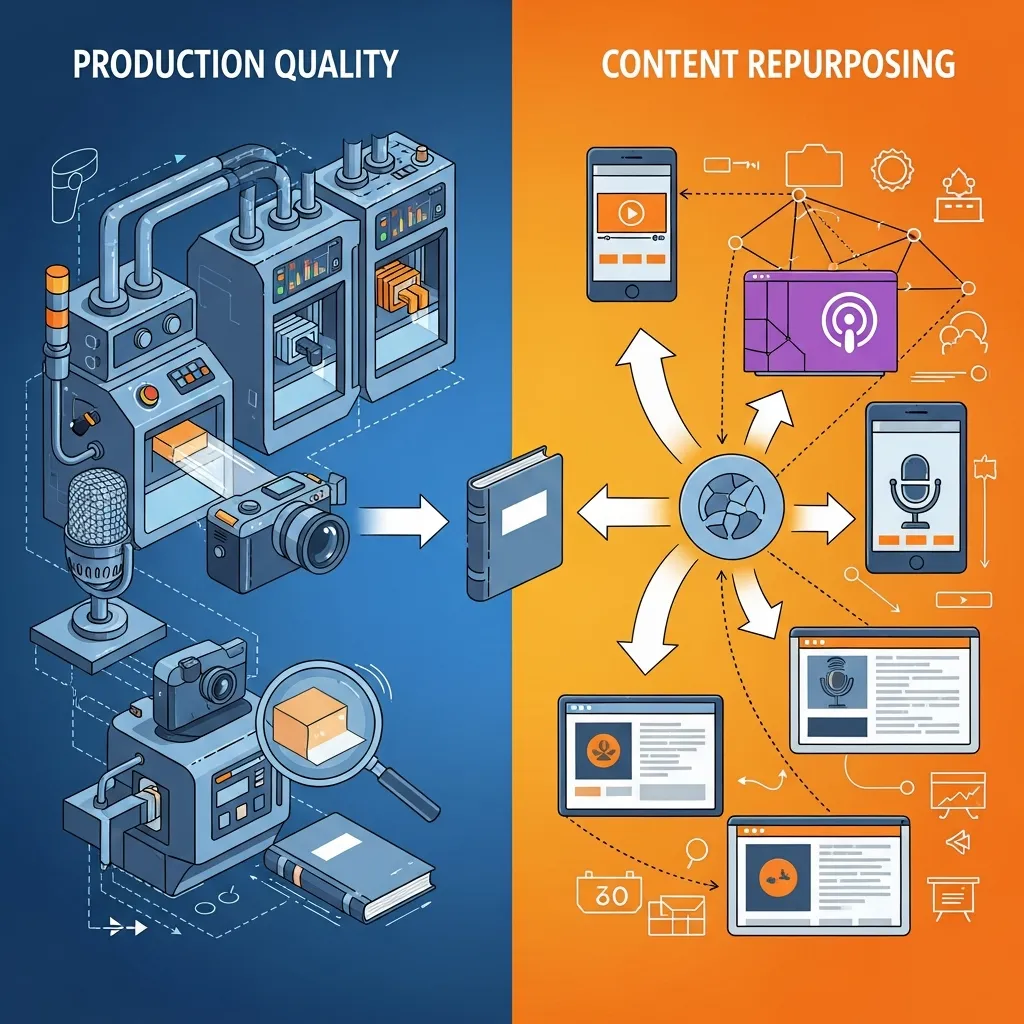
High production value enhances credibility, yet quality doesn’t have to break the bank. Modern smartphones equipped with stabilization, affordable LED lighting kits, and free editing software like DaVinci Resolve can yield professional-looking footage. Focus on clear audio—using external microphones where possible—consistent branding elements (lower-thirds, logo overlays), and well-framed shots. When advanced animations or special effects are required, consider outsourcing to freelancers or agencies with proven portfolios.
To extend the lifespan of each video asset, adopt a content repurposing strategy. Transform long-form webinars or tutorials into shorter social media snippets, convert transcripts into SEO-optimized blog posts, or compile themed highlight reels for newsletters. Evergreen content—such as how-to guides, fundamental industry overviews, or product demos—continues to attract viewers and leads long after initial publication. Implement a publishing calendar that schedules reposts or updates to keep evergreen videos fresh and relevant.
By combining efficient production methods with strategic repurposing, you maximize return on investment and maintain a steady flow of content across channels. This dual approach ensures that your video marketing tactics deliver both immediate engagement and sustained value over time.
Conclusion
Today, video marketing holds unparalleled power to engage, educate, and convert audiences when executed with strategic intent. By setting precise objectives, harnessing audience insights, weaving compelling narratives, optimizing for each platform, and investing in smart production and repurposing techniques, your organization can build a robust video engine that drives sustained growth. Regular analysis of performance metrics enables continuous refinement, ensuring your videos evolve alongside changing viewer preferences and platform algorithms.
Embrace these comprehensive video marketing tactics as part of your core digital strategy this year. Maintain consistency in publishing, remain agile in adaptation, and focus on delivering genuine value through every piece of content. As you implement these methods, monitor your progress, iterate on what works, and watch your video initiatives become a cornerstone of brand success in today’s competitive marketplace.
Frequently Asked Questions
What are video marketing tactics for growth?
Video marketing tactics for growth are strategic approaches businesses use to create, distribute, and optimize video content, increasing brand awareness, engagement, and conversions. These tactics focus on delivering value-driven content to the right audience at the right time.
Why are video marketing tactics important for business growth?
Video marketing tactics are essential because they help businesses capture attention, communicate messages effectively, and build trust with their audience. When used correctly, they can significantly boost engagement, lead generation, and sales.
Which video marketing tactics drive the most engagement?
Tactics such as short-form videos, storytelling, interactive content, and personalized videos tend to drive the highest engagement. These formats align with modern user behavior and encourage active participation.
How can businesses use storytelling in video marketing tactics?
Storytelling helps businesses connect emotionally with their audience by presenting relatable scenarios, brand journeys, or customer success stories. This approach builds trust and makes the content more memorable.
What role does social media play in video marketing tactics?
Social media platforms are crucial for distributing video content and reaching wider audiences. Platforms like YouTube, Instagram, TikTok, and Facebook enable brands to share videos, engage with users, and increase visibility.
How can video marketing tactics improve conversions?
Video marketing tactics improve conversions by clearly demonstrating product value, addressing customer pain points, and including strong calls-to-action. Videos simplify complex information and build confidence in purchasing decisions.
What are the best platforms for video marketing tactics?
The best platforms include YouTube for long-form content, TikTok and Instagram for short-form videos, and LinkedIn for professional audiences. Choosing the right platform depends on your target audience and goals.
How can small businesses apply video marketing tactics for growth?
Small businesses can start with simple tactics like creating short videos, using smartphones for recording, and sharing content on social media. Consistency and authenticity are more important than high production value.
How do you measure the success of video marketing tactics?
Success can be measured through key metrics such as views, watch time, engagement rate, click-through rate, and conversions. These insights help businesses refine their strategies and improve performance.
What mistakes should be avoided in video marketing tactics?
Common mistakes include ignoring audience preferences, lacking a clear message, poor video quality, and not optimizing for mobile viewing. Avoiding these issues ensures better results and a stronger brand presence.