In today’s digital landscape, catching a viewer’s attention is more challenging than ever. With countless brands competing for audience focus, standard video campaigns often fall flat. personalized video marketing has quickly become a transformative approach, enabling organizations to deliver tailored content that aligns closely with each viewer’s profile and interests. By tapping into first-party data—such as browsing behavior, purchase history, and demographic details—marketers can construct dynamic video experiences that feel relevant, engaging, and memorable. This personalized touch not only enhances the viewer’s journey but also drives higher click-through rates, increased watch time, and stronger conversion metrics.
Currently, businesses large and small are harnessing the power of customized video outreach. According to research from the Pew Research Center, audiences are substantially more receptive to content that reflects their unique preferences (https://www.pewresearch.org/internet/). Moreover, guidelines published by the National Institute of Standards and Technology emphasize the importance of data integrity and privacy in delivering individualized experiences (https://www.nist.gov). Through automated templates, real-time data integration, and strategic distribution, personalized video marketing creates a two-way dialogue with viewers rather than a one-way broadcast.
Throughout this article, we will explore the fundamentals behind this method, including ways to segment your audience, craft adaptable scripts, and leverage cutting-edge platforms. You will learn how to measure campaign performance, adhere to privacy regulations, and implement best practices that ensure long-term success. By the end of this guide, you will have a clear blueprint to launch or refine your personalized video efforts, boosting engagement and driving conversions this year (2026).
Understanding Personalized Video Marketing
At its core, personalized video marketing involves tailoring visual messages to match individual viewer attributes. Unlike generic broadcasts that deliver identical content to all recipients, this approach uses data-driven insights to create variations in script, imagery, and call-to-action elements. Segmentation can be based on a range of variables—such as geographical location, purchase frequency, or site interactions—allowing marketers to address specific needs and interests.
Personalization may start with simple tokens, for example inserting a recipient’s name at the opening, but often extends to dynamic product showcases, contextual overlays, and region-specific offers. Advances in marketing automation and video rendering technology have made it feasible to generate thousands of personalized variants without manually editing each file. By automating these processes, teams can achieve scalability while maintaining creative consistency.
In practice, successful campaigns begin with a solid data foundation. Marketers collect information from customer relationship management (CRM) systems, website analytics, and email platforms, then categorize viewers into meaningful groups. A university study highlights that targeted content can increase engagement by up to 80%, underscoring the value of relevance in today’s media environment. Once data is consolidated, bespoke video templates are crafted with placeholders for personalized text or visuals. These templates connect to the dataset through an integration layer, allowing the platform to merge assets automatically and generate unique URLs or video files for each viewer.
As you approach implementation, remember that personalized video marketing is not just a tactic but a mindset. The objective is to shift from mass messaging toward a more individualized dialogue, nurturing deeper connections and fostering loyalty over time. With a clear framework in place, you can deliver compelling stories that resonate on a personal level and motivate viewers to take the next step.
The Impact of Relevant Content on Viewer Engagement

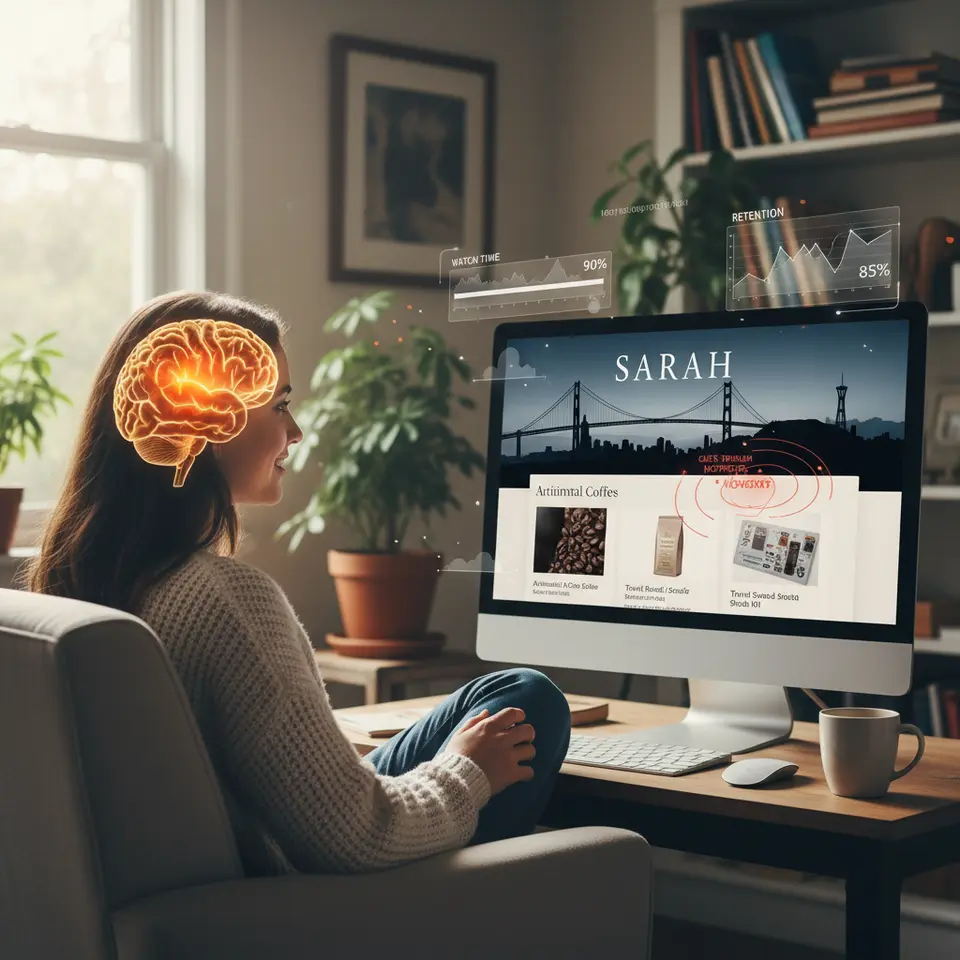
Relevance lies at the heart of any successful outreach, and in today’s oversaturated media ecosystem, it is essential for cutting through the clutter. personalized video marketing capitalizes on the human tendency to pay attention to information that directly speaks to one’s needs and interests. When viewers recognize familiar elements—such as their name, local landmarks, or recently viewed products—they develop an instant connection that motivates them to keep watching.
Neuropsychological research demonstrates that the brain’s reward centers are activated when consumers feel recognized. This triggers increased retention of the message and a higher likelihood of completing desired actions, such as clicking a link or making a purchase. For instance, a retailer who features a selection of items based on a shopper’s browsing history sees a notable increase in average order value compared to static product showcases.
Modern analytics platforms provide granular insights into viewing patterns, enabling marketers to refine content continually. Metrics such as drop-off points, watch duration, and interactions with hotspots reveal where adjustments are needed. A state government agency report suggests that iterative testing of thumbnails and opening sequences can boost view rates by up to 25%. By making data-driven tweaks—like modifying a thumbnail design or adjusting the timing of a personalized greeting—campaign managers can optimize each element for maximum impact.
Moreover, personalized elements go beyond simple name tokens. Story arcs tailored to specific segments can include user-generated testimonials from peers in the same industry, location-based promotions, or contextually relevant case studies. This layered approach ensures that every viewer experiences content crafted for their unique background, leading to deeper engagement and improved brand recall. In an era where attention spans are limited, relevance becomes the differentiator that elevates your message above the noise.
Key Components of an Effective Campaign
Launching a personalized video marketing initiative requires a structured process that balances creative production with technical execution. The first step is to define clear objectives: Are you aiming to nurture leads, reduce churn, promote a new product, or re-engage past customers? Precise goals help shape messaging and determine the metrics you will track.
Next, gather and segment your data. Leverage CRM records, website analytics, and email performance reports to assemble a comprehensive dataset. Audience segmentation might group recipients by factors such as purchase history, lifecycle stage, or content preferences. By creating these clusters, you can deliver more relevant stories to each group.
With segments in place, develop adaptable scripts designed to accommodate variable content. Use placeholders for personalized greetings, product recommendations, or geographic references. Scripting for cohesion across variations ensures that the core narrative remains compelling, regardless of which data points populate the placeholders.
Select a solution that supports dynamic video creation and integrates smoothly with your existing technology stack. Key considerations include ease of use, scalability, data security, and analytics capabilities. Many platforms offer free trials, enabling teams to evaluate rendering speed, template flexibility, and available analytics before making a commitment.
Once the platform is chosen, produce the base footage and design templates that include both static and dynamic sections. Static segments deliver brand-defining visuals, while dynamic blocks adapt to viewer data. After uploading your dataset, the platform automatically generates individualized video URLs or files for distribution.
Finally, roll out the campaign through targeted email sequences, SMS messages, or personalized landing pages. Monitor performance in real time, focusing on view rates, watch time, click-through rates, and conversion metrics. Use these insights to iterate on content, refine segmentation, and increase ROI over time.
Tools and Technologies Fueling Personalization
The ecosystem of software providers for personalized video marketing continues to expand, offering solutions that cater to various needs and budgets. Below are several prominent platforms that streamline the creation and delivery of individualized videos:
- Vidyard: Known for its robust analytics and CRM integrations, Vidyard supports token-based personalization and extensive reporting features.
- Hippo Video: Offers dynamic content blocks, automated workflows, and A/B testing tools to optimize viewer engagement.
- SundaySky: An enterprise-grade platform with AI-driven personalization, enabling complex video narratives at scale.
- Adobe Experience Manager Assets: Integrates with Adobe’s marketing cloud to provide content management, automated rendering, and personalization at enterprise level.
- Bonjoro: Focuses on one-to-one messages for sales outreach and customer success, enabling quick recording and delivery of personal video notes.
Beyond dedicated video platforms, marketers can enhance campaigns with supporting technologies. Customer data platforms (CDPs) unify fragmented data sources, ensuring seamless personalization. Marketing automation tools handle sequencing, distribution, and triggered sends. Finally, secure content delivery networks (CDNs) ensure fast loading times, particularly on mobile devices where many video plays occur. By combining these systems, brands can execute end-to-end workflows that maintain brand consistency while delivering personalized experiences in real time.
Best Practices for Sustaining Long-Term Success
Implementing personalized video marketing is a journey rather than a one-time project. To maintain momentum and deliver consistent results, embrace the following best practices:
- Prioritize Data Privacy: Compliance with regulations such as GDPR and CCPA is essential. Ensure that all data collection and usage practices respect user consent and secure storage protocols.
- Keep Messages Concise: Aim for 60–90 seconds in introductory videos to respect viewers’ time and ensure key information is absorbed.
- Test Continuously: A/B test elements such as thumbnails, subject lines, and dynamic content blocks. Data-driven experimentation highlights what resonates with different segments.
- Focus on Mobile: Optimize video files and delivery methods for smartphones and tablets. Many viewers access content on smaller screens, so responsive design and fast load times are critical.
- Incorporate Authentic Storytelling: Use genuine customer stories or behind-the-scenes glimpses to foster trust. Authenticity strengthens emotional connections more than polished corporate footage.
- Measure and Iterate: Track view rate, watch time, click-through rate, and conversion metrics. Use these insights to refine your approach, segment definitions, and messaging strategy.
- Align with Cross-Channel Efforts: Integrate video personalization with email marketing, social media, and website personalization initiatives. A cohesive omnichannel strategy reinforces messaging across touchpoints.
By adhering to these principles, marketers can build a sustainable framework for personalized video marketing that adapts to audience shifts and evolving business priorities.
FAQ
What is personalized video marketing?
Personalized video marketing is the practice of tailoring video content to individual viewers based on data such as demographics, behavior, and preferences. It involves dynamic scripts, custom imagery, and token-based personalization to deliver a unique experience to each recipient.
How do I collect data for personalization?
Data can be gathered from CRM systems, website analytics, email engagement metrics, and purchase histories. It’s essential to ensure compliance with data privacy regulations and obtain proper user consent before using personal information.
Which metrics should I track to measure success?
Key metrics include view rate, watch time, click-through rate, conversion rate, and drop-off points. Monitoring these indicators helps you understand viewer behavior and optimize content over time.
Can small businesses benefit from personalized videos?
Yes. With modern platforms offering scalable templates and affordable pricing, even small businesses can leverage personalized video to improve engagement, drive more conversions, and stand out in a crowded market.
Conclusion
personalized video marketing presents a powerful opportunity to transform passive viewers into engaged participants. By leveraging accurate data, dynamic scripting, and scalable platforms, organizations can deliver tailored stories that resonate deeply and drive action. In today’s competitive environment, relevance is the key to capturing attention, fostering loyalty, and maximizing return on investment. As you move forward, remember to define clear objectives, prioritize user privacy, and continuously test and optimize every aspect of your campaign. With the right strategy in place, personalized video initiatives can become a cornerstone of your marketing mix, connecting your brand with audiences in a meaningful way and driving growth this year (2026).