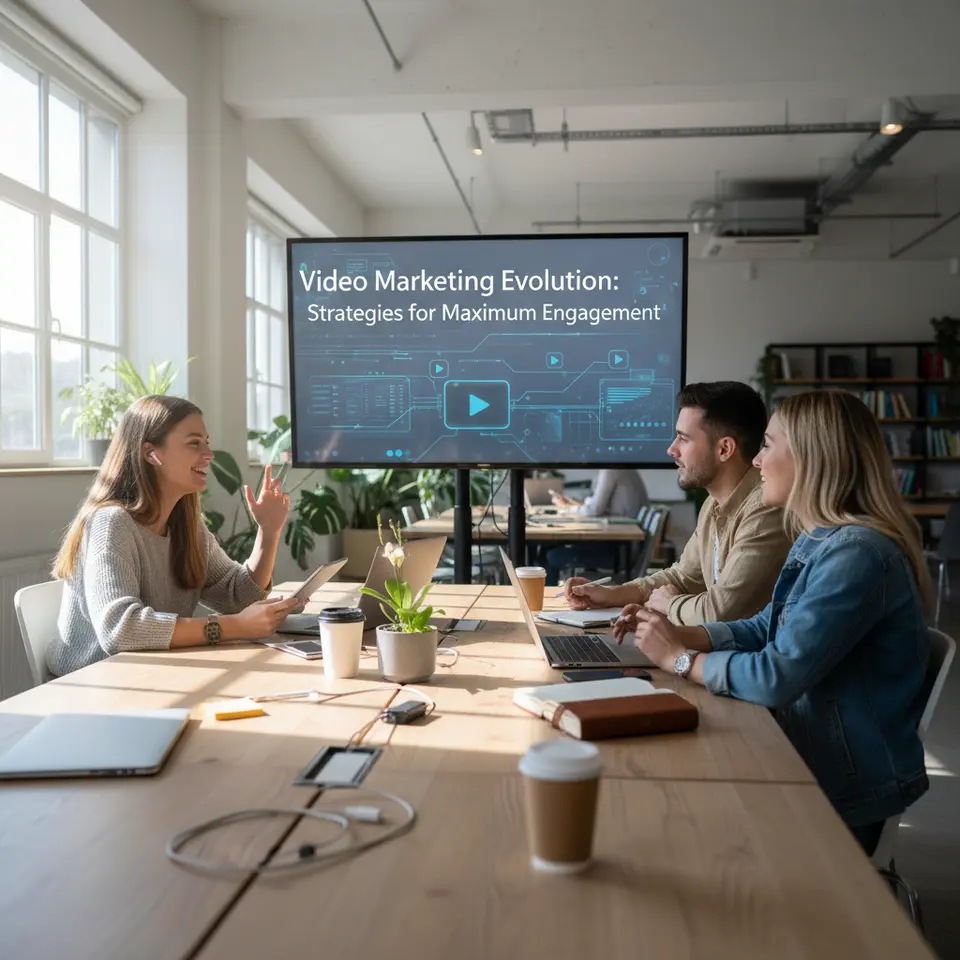
In today’s digital landscape, video marketing has emerged as a cornerstone of brand storytelling and customer engagement. Audiences now expect immersive, on-demand content that resonates with their interests and lifestyle, making video a powerful medium for conveying value, emotion, and authenticity. As the pace of technology accelerates and consumer behaviors evolve, marketers must continually refine their video marketing strategies to remain competitive and relevant.
Over the past decade, video has transitioned from lengthy television spots and corporate demos to mobile-first short clips, interactive live streams, and even 360° virtual experiences. This shift reflects widespread access to high-speed internet, smartphone ubiquity, and the rise of platforms like YouTube, Instagram Reels, TikTok, and LinkedIn Live. Brands now participate in real-time dialogues, leveraging user-generated content and social feedback to foster trust and loyalty.
Success in video marketing today requires a data-driven approach that blends creative storytelling with precise targeting. From establishing clear objectives—whether boosting brand awareness or driving conversions—to analyzing engagement metrics and optimizing for search discoverability, each step demands intentional planning. This article will guide you through proven strategies to craft compelling videos, distribute them effectively, and measure performance for maximum ROI in 2026. Along the way, we’ll reference authoritative insights from institutions such as Harvard University and Pew Research Center to ensure your video marketing plan is grounded in best practices and real-world data.
The Evolution of Video Marketing in Today’s Landscape
Video marketing’s journey began with broadcast advertisements and corporate industrial films, delivered on television networks and trade shows. The arrival of digital platforms in the early 2000s democratized video creation and distribution, enabling anyone with a camera and internet connection to reach global audiences. Today, short-form vertical videos, live streaming, and immersive formats like 360° product tours have transformed the way brands engage viewers.
From One-Way Broadcasts to Two-Way Dialogues
Traditional video ads offered a one-sided narrative: brands spoke to passive viewers. In contrast, modern video marketing thrives on interactivity. Viewers comment, share, and collaborate, turning passive consumption into dynamic conversations. Platforms such as TikTok and Instagram Live empower brands to host Q&A sessions, behind-the-scenes tours, and user-generated challenges. This participatory model fosters community, authenticity, and repeat engagement.
Rise of Short-Form and Vertical Formats
Mobile usage now accounts for over 60% of video consumption, driving the popularity of vertical formats that fit smartphone screens. Short-form videos—typically 15 to 60 seconds—capitalize on viewers’ shrinking attention spans and the desire for instant gratification. Brands leverage quick tutorials, product teasers, and user testimonials to deliver high impact in minimal time.
Immersive Experiences and Future Trends
Cutting-edge technologies such as augmented reality (AR) filters, virtual reality (VR) environments, and interactive shoppable videos are gaining traction. These formats enable deeper brand immersion by allowing users to virtually try on products, explore 360° showrooms, or click directly to purchase without leaving the video player. As 5G networks expand, these rich multimedia experiences will become more accessible and seamless.
By tracing video marketing’s evolution from broadcast commercials to personalized, interactive experiences, marketers can anticipate upcoming innovations and position their strategies to capitalize on emerging formats. A review of historical trends equips you to stay nimble in a rapidly shifting ecosystem.
Understanding Audience Engagement
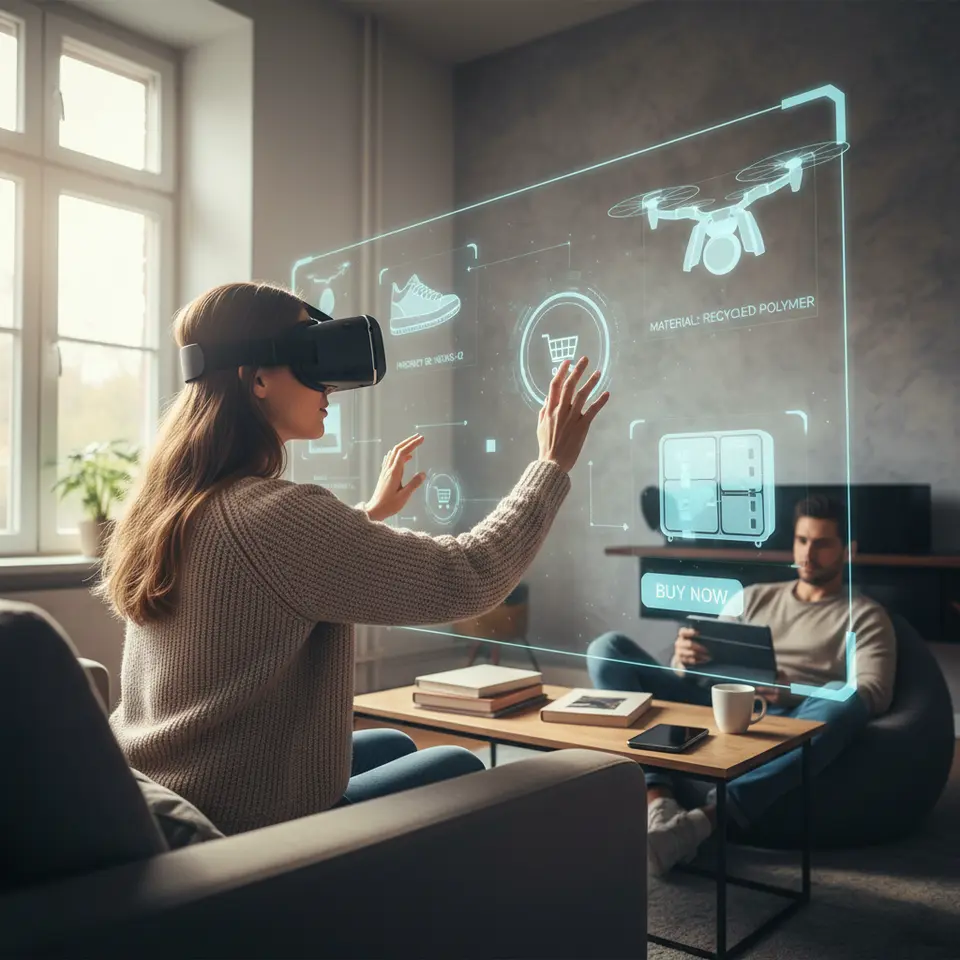
True engagement goes beyond raw view counts. It encompasses watch time, completion rate, likes, shares, comments, and click-through actions. To craft a video marketing strategy that resonates, begin by defining precise audience personas. Gather demographic data, behavioral insights, and psychographic profiles that reveal where your target customers spend time and what content they value.
Building Detailed Personas
Effective personas outline audience challenges, preferred content formats, and decision-making triggers. Use social listening tools and surveys to capture feedback on tone, style, and topics. For instance, tech-savvy professionals may favor concise animated explainers, while lifestyle enthusiasts gravitate toward emotionally-driven narrative vignettes.
Psychology of Engagement
Emotional resonance drives viewer retention. Stories that evoke surprise, joy, or empathy are more likely to be shared and remembered. Structure narratives with a clear hook in the first 5 seconds—an intriguing question, a shocking statistic, or a relatable scenario—to prevent drop-off. Introduce a conflict or problem, build tension, then resolve with your brand’s solution.
Data-Driven Optimization
Leverage real-time analytics to refine content. If viewers consistently leave at the 20-second mark, experiment with different opening visuals or on-screen text. Segment audience behavior—first-time viewers, repeat viewers, loyal customers—and tailor calls-to-action (CTAs) accordingly. A loyalty program invitation might appeal to repeat customers, while an introductory discount attracts newcomers.
By grounding video planning in audience insights, you ensure that every frame speaks directly to viewer needs. This increases watch time, amplifies shareability, and ultimately drives more meaningful business outcomes.
Crafting Compelling Video Content
High-impact video content begins with a strategic concept and clear objective. Whether you aim to boost brand awareness, generate leads, or educate customers, the creative idea should align with measurable goals. Follow a structured process to ensure consistency and quality throughout production.
Defining Objectives and Key Messages
Start by identifying your primary goal. Is it to showcase a new product feature, demonstrate thought leadership, or share customer success stories? Outline two to three key messages that reinforce your brand value proposition and address audience pain points.
Writing an Attention-Grabbing Script
Craft a concise script featuring an engaging hook in the first few seconds. Use a conversational tone and benefit-driven language that highlights what viewers will gain. Incorporate storytelling techniques—introduce relatable characters, establish conflict, and conclude with a clear CTA driving viewers to subscribe, download, or purchase.
Storyboarding and Production Planning
Visualize each scene with sketches or digital frames, noting camera angles, on-screen text, and audio cues. Plan for necessary resources—talent, locations, props, and equipment—and schedule shoots to maximize efficiency. Even on a limited budget, smartphone cameras paired with ring lights and lapel microphones can deliver crisp, professional results.
Enhancing Production Value
Pay careful attention to lighting, sound quality, and shot composition. Implement brand-consistent color grading and add motion graphics to illustrate complex data or processes. Always include subtitles or closed captions to improve accessibility and retain viewers watching without audio.
Optimizing Video Length and Format
Adapt video length to platform norms: 30–60 seconds for social media ads, 2–4 minutes for educational explainers, and 5–10 minutes for in-depth interviews or webinars. Test different formats—testimonials, how-to guides, behind-the-scenes content—to discover which resonates most with your audience.
Leveraging Platforms and Distribution Channels

Maximizing reach and engagement requires platform-specific strategies. Each social network and video service has unique algorithms and user behaviors. Tailoring your content and distribution tactics ensures optimal performance across channels.
YouTube: The Hub for Long-Form Content
Focus on SEO-driven titles, detailed descriptions, and relevant tags. Use chapter timestamps to improve navigation and end screens to promote playlists or related videos. Encourage subscriptions and community engagement via pinned comments and polls.
Instagram and TikTok: Short, Snackable Videos
Embrace vertical, full-screen videos with dynamic editing and trending audio tracks. Participate in challenges and leverage popular hashtags to boost discoverability. Collaborate with micro-influencers whose followers align with your target persona.
LinkedIn and Facebook: Targeted Thought Leadership
On LinkedIn, share case studies, executive interviews, and data-driven insights. Tag industry influencers and use professional groups to spark conversations. With Facebook Ads, utilize detailed demographic and interest-based targeting, and deploy lookalike audiences to reach similar prospects.
Programmatic and Retargeting Campaigns
Employ programmatic video placements across websites and mobile apps to reengage warm leads. Build retargeting audiences based on video view duration or specific CTA clicks. This nurtures prospects through the funnel by delivering personalized follow-up messages.
Owned Channels and Email Sequences
Syndicate video content on your blog, landing pages, and knowledge base to extend watch time and support SEO. Integrate video snippets into email nurture sequences, linking to full episodes or webinars to reawaken dormant subscribers.
Optimizing for SEO and Discoverability
Video SEO blends on-page best practices with technical enhancements to boost visibility in search and platform recommendations. A comprehensive approach ensures that your videos surface for relevant queries and attract qualified viewers.
Keyword Research and Metadata
Use tools like Google Trends and AnswerThePublic to identify high-volume search terms related to your topic. Naturally integrate the focus keyword “video marketing” into filenames, titles, descriptions, and tags. Keep titles under 60 characters and craft descriptions of 150–300 words that summarize the video and include a clear CTA.
Thumbnails and On-Screen Text
Create eye-catching thumbnails featuring expressive imagery and bold text overlays to boost click-through rates. Highlight the core benefit or question your video addresses. Complement with on-screen captions that reinforce key points.
Captions, Transcripts, and Accessibility
Include accurate closed captions and full transcripts. Beyond improving accessibility, transcripts enable search engines to crawl your content more effectively. According to the Pew Research Center, accessible multimedia content drives higher engagement among viewers with diverse needs.
Structured Data and Rich Snippets
Implement VideoObject schema markup on your webpage to help search engines generate rich snippets with preview thumbnails and duration details. Properly formatted JSON-LD enhances SERP visibility and encourages clicks.
Backlinks and Syndication
Embed videos in guest posts on authoritative blogs and partner sites. Each embed can attract backlinks and referral traffic. Collaborate with industry publications and academic institutions to secure mentions and expand your reach.
FAQ
What is video marketing?
Video marketing is the practice of using videos to promote and market your brand, product, or service. It helps you connect with your audience, increase engagement, and drive action through visual storytelling.
How long should my marketing videos be?
Video length depends on the platform and goal: 30–60 seconds for social media ads, 2–4 minutes for educational explainers, and up to 10 minutes for in-depth interviews or webinars. Always test to see what resonates most with your audience.
Which platforms are best for video marketing?
YouTube is ideal for long-form content and SEO discoverability. Instagram and TikTok excel with short, vertical videos. LinkedIn and Facebook work well for targeted thought leadership and ads. Choose platforms based on where your audience spends time.
Conclusion
In this year (2026), video marketing continues to redefine how brands engage, inform, and convert audiences. By understanding the medium’s evolution, honing audience-centric engagement tactics, and producing high-quality, SEO-optimized content, marketers can unlock significant ROI. Strategic distribution across platforms—from YouTube to TikTok—coupled with data-driven optimization ensures that each video resonates with its intended viewers.
As technology advances, stay agile by experimenting with interactive formats, personalization, and emerging channels. Consistently analyze performance metrics, iterate on what works, and remain committed to authentic storytelling. With these guidelines in hand, your organization is well-equipped to master video marketing and foster meaningful connections that drive growth and brand loyalty.