Currently, consumers expect personalization and interactivity in their media consumption, and 360-degree video marketing delivers on both fronts. This year, marketers are leveraging advanced hardware and software innovations to produce compelling virtual environments that seamlessly integrate with popular distribution platforms. From travel experiences to product demos and event walk-throughs, 360-degree content creates lasting impressions and significantly boosts metrics such as watch time, click-through rates, and conversions.
In this comprehensive guide, we will explore the core principles of 360-degree video marketing, outline practical steps for planning and production, examine essential equipment and post-production workflows, and present proven strategies for distribution and measurement. Whether you’re new to immersive storytelling or seeking to refine your current approach, this article will equip you with actionable insights to harness the full potential of 360-degree video marketing and stay ahead in today’s competitive environment.
Understanding 360-Degree Video Marketing
360-degree video marketing is an innovative format that captures a complete spherical view of an environment using multiple lenses or camera arrays. Unlike traditional linear videos that confine viewers to a fixed perspective, 360-degree productions empower audiences to explore every angle of a scene with intuitive controls such as mouse panning, touch gestures, or virtual reality (VR) headsets. This immersive medium transforms spectators into participants, fostering a stronger emotional connection with the content and brand behind it.
The Science Behind Immersion
Immersion in 360-degree video relies on visual and auditory cues that mimic real-world perception. Spatial audio recording captures directional sound, allowing viewers to hear ambient noises exactly as they would experience them in a physical setting. When combined with high-resolution imagery and natural lighting, these elements trick the brain into perceiving the digital environment as real. Research from leading institutions like the MIT Media Lab underscores the power of multisensory inputs in sustaining engagement and enhancing memory retention.
Advantages of Brand Storytelling
By putting viewers in control of their viewing angle, 360-degree video marketing offers distinct benefits that traditional formats cannot match. First, it significantly increases dwell time as viewers explore scenes at their own pace. Second, the novelty factor positions brands as innovators willing to adopt cutting-edge technology. Third, immersive content drives social sharing; audiences are more likely to distribute interactive videos across platforms like Facebook and YouTube, amplifying organic reach and bolstering SEO performance. Finally, 360-degree storytelling encourages higher conversion rates by creating memorable experiences that leave a lasting impression.
Planning Your 360-Degree Video Campaign
Effective 360-degree video marketing begins long before cameras roll. A well-structured planning phase sets the stage for seamless production, ensuring that every story beat aligns with business objectives. In this section, we’ll break down the critical steps to design a 360-degree campaign that captivates audiences and drives measurable results.
1. Define Clear Objectives
Start by articulating the primary goals of your 360-degree video marketing initiative. Are you seeking to raise brand awareness, launch a new product, or deliver an immersive brand story? Clear objectives guide creative decisions and help you quantify success. Establish key performance indicators (KPIs) such as average watch time, engagement rate, click-through rate on interactive hotspots, and conversion metrics tied to landing pages.
2. Storyboard from a 360° Perspective
Traditional storyboarding methods focus on linear frames, but 360-degree narratives require a holistic approach. Sketch your scenes in a spherical layout, marking hotspots—areas where you want viewers to focus or interact. Use visual cues like lighting, color contrasts, and motion to naturally guide attention without disrupting immersion. Tools such as Google’s VR Developer Guide provide templates for planning VR and 360 workflows that ensure seamless transitions between story elements.
3. Select Distribution Platforms Early
Not all channels support the same playback features for 360-degree content. YouTube and Facebook offer native 360-degree video support, but each platform has unique specifications for resolution, frame rate, and aspect ratio. If you plan to embed content on your website, evaluate HTML5-based players like Video.js or specialized SDKs from vendors such as Kolor or Insta360. Planning distribution concurrently with pre-production prevents technical roadblocks during post-production and publishing.
Essential Equipment and Software for 360-Degree Productions
Investing in the right hardware and software is critical to achieving professional-quality 360-degree video marketing content. From camera rigs to editing suites, each component plays a vital role in ensuring immersive experiences that resonate with viewers.
Camera Rigs and Lenses
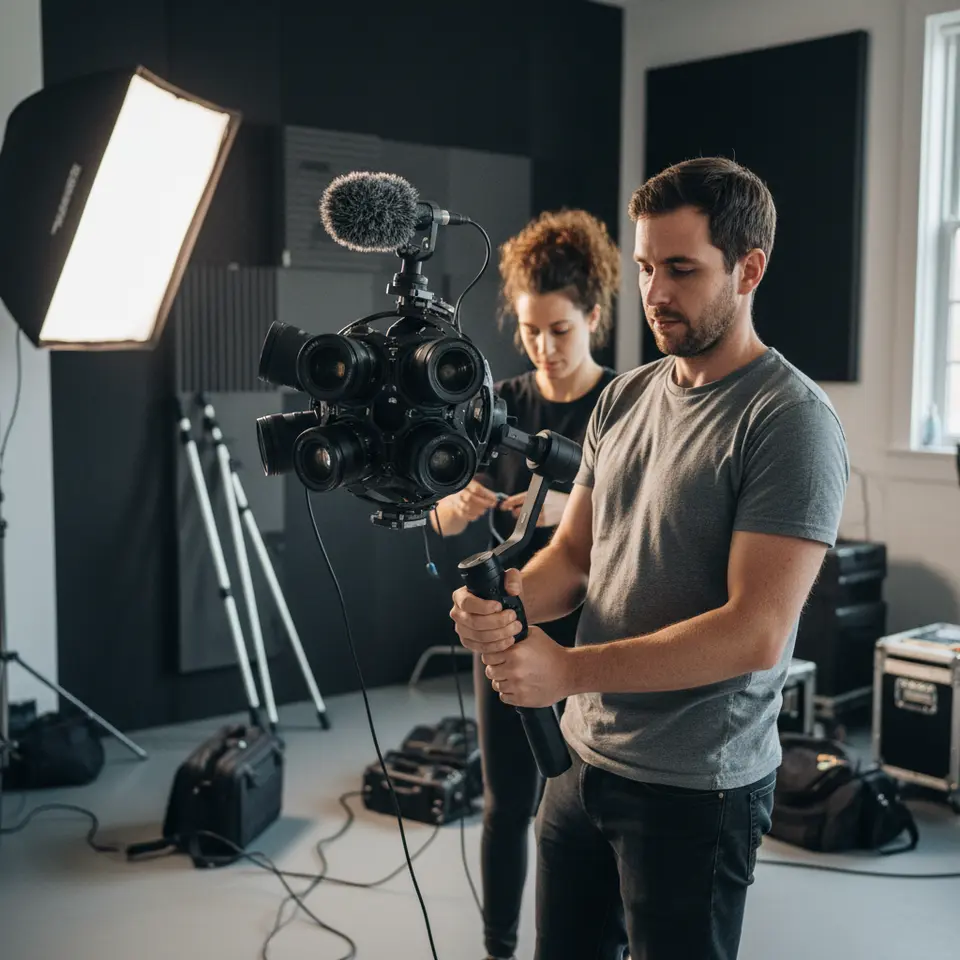
Entry-level creators can start with consumer-grade 360 cameras like the Insta360 One X2 or GoPro MAX, which feature dual lenses for stereoscopic depth. Prosumer and professional setups rely on multi-lens rigs—often six to eight synchronized cameras—mounted on a specialized spherical mount. High-resolution lenses minimize stitching artifacts, while global shutter sensors reduce motion distortion. Ensure that your rig is compatible with your chosen editing workflow and offers sufficient stabilization, either via integrated gimbals or post-production software.
Audio Capture Systems
Spatial audio enhances the immersive quality of 360-degree video marketing by delivering realistic soundscapes. Ambisonic microphones, such as those made by Sennheiser or Zoom, capture directional audio that aligns with the viewer’s gaze. Pair these mics with a portable recorder to maintain high-fidelity sound, and consider windshields or foam covers for outdoor shoots. Proper audio capture makes a significant difference in viewer satisfaction and perceived production value.
Editing and Post-Production Software
Post-production for 360-degree content requires tools designed to stitch, color grade, and stabilize multi-camera footage. Adobe Premiere Pro offers VR plugins that simplify spherical editing, while specialized platforms like Kolor Autopano and Insta360 Studio handle complex stitching with automated alignment. Color correction tools, such as DaVinci Resolve, ensure consistent exposure and white balance across all angles. Finally, interactive elements—hotspots, overlays, and end screens—can be added using platforms like Unity or web-based services that support equirectangular outputs.
Shooting and Editing Techniques for Immersive Storytelling

To maximize the impact of your 360-degree video marketing efforts, it’s essential to adopt filming and post-production techniques that prioritize viewer comfort and narrative clarity. Proper execution at this stage transforms raw footage into a refined, interactive story that keeps audiences engaged from start to finish.
Maintaining Viewer Comfort
Motion sickness is a common concern in immersive environments. To mitigate discomfort, avoid rapid camera movements and abrupt pans. Use a low tripod or monopod with a fluid head to produce smooth, steady shots. When movement is necessary—such as walking tours—employ stabilization tools like gimbals or robotic sliders that minimize jarring transitions. Keep individual shot durations manageable—under 30 seconds—so viewers have time to explore the scene without experiencing disorientation.
Optimizing Lighting and Composition
Even lighting is crucial in 360-degree captures to prevent harsh shadows and hotspots that distract viewers. Utilize softboxes, diffusers, and bounce boards to wrap light around subjects evenly. Consider the entire spherical frame when positioning talent and props—elements placed too close to the camera can appear distorted, while sparse scenes may feel empty. Balance foreground and background details to guide the viewer’s focus toward your intended hotspots.
Seamless Stitching and Color Grading
Post-production stitching merges multiple camera feeds into a continuous sphere. Automated algorithms analyze overlapping seams and align footage precisely, but manual touch-ups are often necessary for complex environments. Once stitched, apply color grading uniformly across the sphere to maintain visual consistency. Adjust contrast and saturation carefully to highlight important elements without overwhelming the eye. Stabilization filters can further smooth residual tremors, ensuring a polished final product ready for distribution.
Distribution Strategies and Measuring Success
Even the most compelling 360-degree video marketing assets require strategic distribution and rigorous measurement to maximize ROI. This section outlines best practices for publishing immersive content and tracking performance indicators that inform future campaigns.
Choosing the Right Channels
Major social platforms offer built-in support for 360-degree playback, but each comes with distinct viewer demographics and technical constraints. YouTube’s interactive hotspots and VR compatibility cater to a broad audience, while Facebook’s social features encourage sharing and discussion. For brand-owned platforms, embed 360-degree videos using HTML5 players like Video.js or vendor SDKs to maintain full control over user experience and data collection. Consider hosting premium experiences at events or trade shows using VR headsets to create unforgettable in-person engagements.
Integrating Calls to Action
Interactive elements such as clickable hotspots, end-screen overlays, and 360° annotations guide viewers toward desired actions—signing up for newsletters, visiting product pages, or downloading resources. Place these CTAs strategically at moments of peak engagement, ensuring they complement rather than interrupt the immersive journey. Use analytics to test different CTA placements and messaging, refining your approach based on real user interactions.
Key Performance Indicators
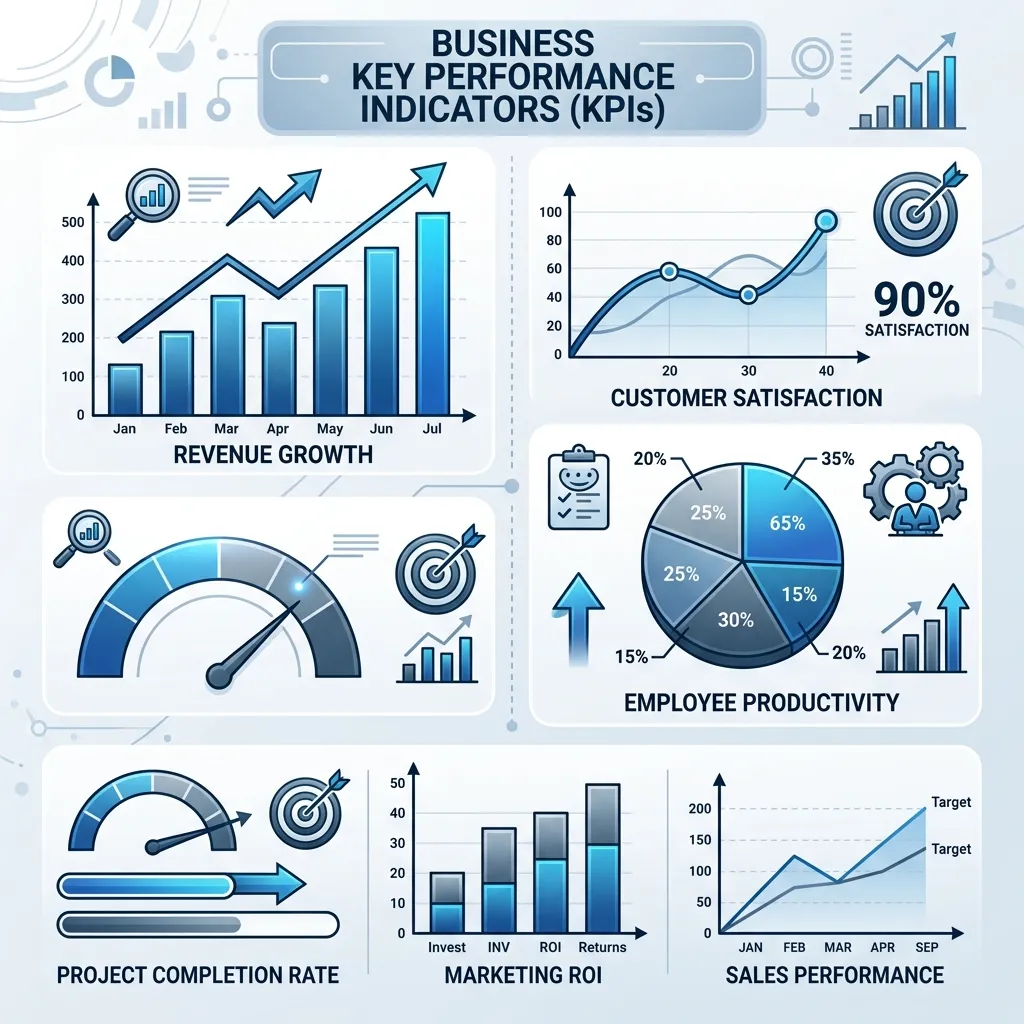
Measure the success of your 360-degree video marketing campaigns with a mix of quantitative and qualitative metrics. Track view count, watch time, and engagement rate (comments, likes, and shares) to gauge overall reach. For embedded content, monitor click-through rates on interactive hotspots and subsequent conversion events—form completions, purchases, or website visits. Leverage platform analytics dashboards or third-party tools to aggregate data and identify patterns in viewer behavior, allowing continuous optimization of future productions.
Emerging Trends and Future Outlook
As hardware and software capabilities advance, 360-degree video production is becoming more accessible and feature-rich. Real-time stitching engines, higher resolutions up to 8K, and AI-driven interactive elements are on the rise. Personalized viewer journeys—where AI adjusts hotspots based on individual preferences—will further elevate immersive storytelling. Brands that stay attuned to these developments will maintain a competitive edge and continue delivering experiences that resonate deeply with audiences.
Conclusion
360-degree video marketing has firmly established itself as a powerful tool for immersive storytelling in today’s content-driven world. By placing viewers at the center of the narrative, brands can forge emotional connections, boost engagement metrics, and differentiate themselves from competitors. Designing a successful 360-degree campaign requires thoughtful planning, the right array of equipment and software, expert shooting and editing techniques, and strategic distribution backed by data-driven measurement.
As this year unfolds, marketers have an unprecedented opportunity to innovate with 360-degree video, leveraging new interactive features and VR integrations to craft memorable brand experiences. Embrace the principles outlined in this guide, experiment with emerging trends, and continuously refine your workflow based on performance insights. With dedication and creativity, 360-degree video marketing can transform your storytelling approach and deliver tangible business results in today’s dynamic digital environment.
FAQs
What is 360-degree video marketing?
360-degree video marketing is an immersive content strategy that allows viewers to explore videos from every angle, creating interactive and engaging brand experiences.
What are the benefits of 360-degree video marketing?
It increases audience engagement, boosts watch time, improves brand storytelling, encourages social sharing, and enhances customer experiences through immersive interaction.
Which industries benefit most from 360-degree video marketing?
Industries such as travel, real estate, healthcare, education, automotive, entertainment, and retail benefit greatly from immersive 360-degree video experiences.
What equipment is needed for 360-degree video production?
Basic setups require a 360-degree camera, tripod, microphone, and editing software. Professional productions may use multi-lens rigs, ambisonic microphones, and advanced stitching software.
Which platforms support 360-degree videos?
Popular platforms include YouTube, Facebook, Vimeo, and VR-compatible websites that support interactive video playback.
How can businesses improve engagement with 360-degree videos?
Businesses can use interactive hotspots, compelling storytelling, smooth camera movement, spatial audio, and strong calls-to-action to increase viewer engagement.
Is 360-degree video marketing expensive?
Costs vary depending on production quality. Entry-level creators can start affordably with consumer-grade cameras, while professional campaigns require larger investments in equipment and editing tools.
How do you optimize 360-degree videos for SEO?
Use keyword-rich titles, descriptions, tags, transcripts, and engaging thumbnails. Embedding videos on optimized landing pages also improves search visibility.
What metrics should marketers track for 360-degree campaigns?
Key metrics include watch time, engagement rate, click-through rate, shares, conversions, and interaction with hotspots or embedded calls-to-action.
What is the future of 360-degree video marketing?
The future includes AI-powered personalization, higher-resolution experiences, VR integration, real-time interactivity, and advanced immersive storytelling technologies.