
In today’s digital landscape, capturing audience attention is more challenging than ever. Traditional videos often play passively in the background, failing to inspire meaningful engagement or drive viewers toward a desired outcome. Currently, brands and content creators are turning to interactive video as a dynamic solution to this problem. By embedding clickable hotspots, quizzes, branching paths, and shoppable overlays, interactive video transforms a one-way broadcast into an immersive experience. Audiences no longer watch—they participate, choose, and engage in real time.
This guide provides a comprehensive roadmap for mastering interactive video campaigns this year (2026). From understanding the core concepts and key benefits, to exploring the most popular elements and best practices, you’ll discover how to plan, produce, and optimize interactive videos that captivate viewers and drive conversions. Along the way, we’ll reference insights from leading institutions such as Stanford University and government resources like USA.gov to reinforce industry trends and technical standards. Whether you’re a marketer seeking higher click-through and completion rates, an educator aiming to boost knowledge retention, or a product team intent on showcasing e-commerce features, interactive video offers a proven path to deeper engagement and measurable ROI.
What Exactly Are Interactive Videos?
Interactive video refers to any video format that allows viewers to actively participate in the content rather than passively watching. Interactive layers can appear as clickable overlays, quizzes embedded at strategic moments, decision points that branch the narrative, or shoppable hotspots that link directly to product pages. By integrating these elements seamlessly into the playback experience, brands can create personalized journeys that adapt in real time to each user’s choices and preferences.
The foundation of interactive video lies in its two-way communication model. Unlike linear videos that follow a predetermined path from start to finish, interactive video invites viewers to shape the story’s direction. This approach not only increases time spent on the content but also yields valuable behavioral data—showing exactly which hotspots users clicked, where they answered quiz questions correctly or incorrectly, and how they navigated branching sequences.
Several industries have embraced interactive video to meet their unique goals. E-commerce brands leverage shoppable overlays to reduce friction in the purchase process, while educational institutions integrate quizzes and polls to assess comprehension and strengthen retention. Nonprofits and advocacy groups use branching narratives to illustrate real-world scenarios, empowering audiences to explore different outcomes based on ethical or strategic choices. Regardless of the use case, the core objective remains consistent: make viewers feel like active participants rather than passive spectators.
In today’s media ecosystem, the average user is inundated with content across social platforms, streaming services, and mobile devices. To cut through this noise, interactive video offers a clear competitive edge. By blending multimedia storytelling with data-driven insights, it bridges the gap between entertainment and action—creating memorable experiences that stand out and motivate users to engage on a deeper level.
Key Benefits of Interactive Video in Today’s Digital Landscape
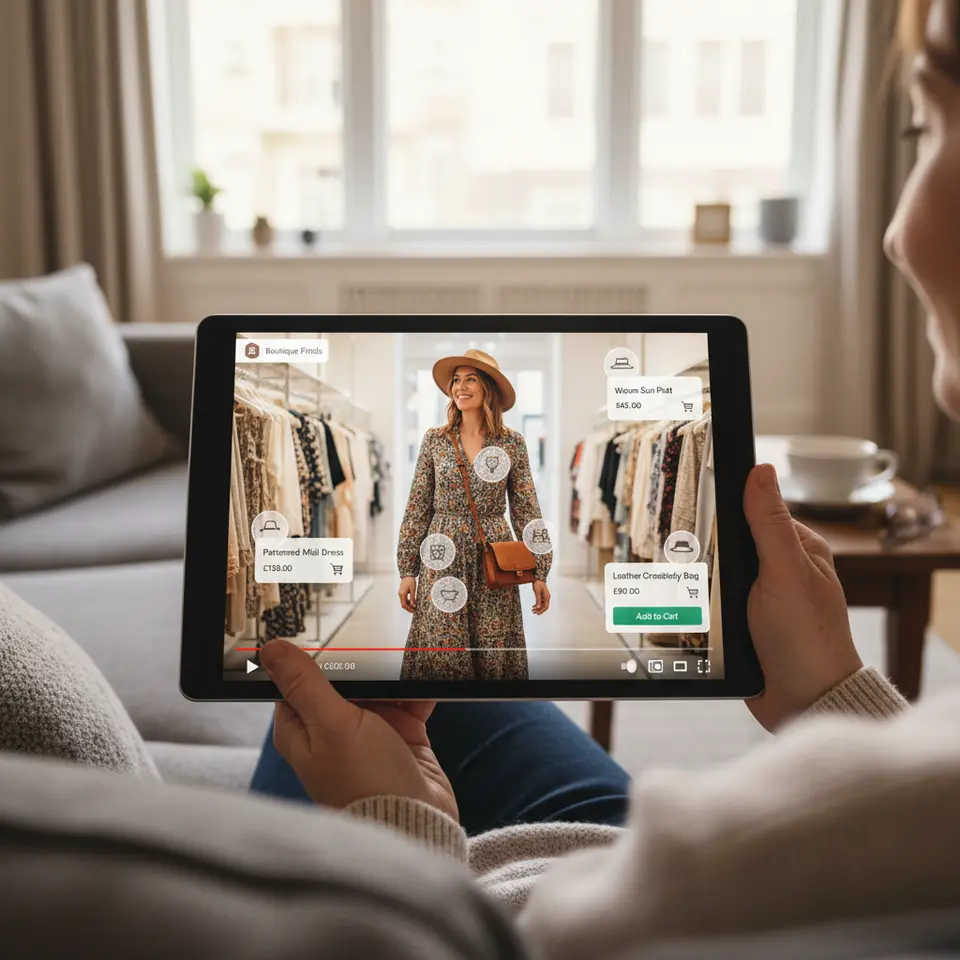
Businesses and educators alike are recognizing the transformative power of interactive video. Here are some of the primary advantages that make it an indispensable tool this year (2026):
1. Elevated Viewer Engagement
Interactive video encourages viewers to participate rather than passively consume. When users encounter hotspots, quizzes, or decision points, they spend more time within the player—often doubling or tripling average watch durations compared to non-interactive content. This heightened engagement not only improves brand recall but also strengthens emotional connections with the message.
2. Actionable Behavioral Insights
Every interaction within an interactive video generates precise data. You can track click-through rates (CTR) on embedded links, completion rates for quizzes, and drop-off points where users abandon the experience. By analyzing these metrics, marketers refine content strategy, optimize placement of calls to action (CTAs), and adjust narrative flows to reduce friction. This granular feedback loop is far more robust than traditional video analytics.
3. Increased Conversion Rates
When interactive elements include direct links to product pages or lead capture forms, they transform engagement into measurable conversions. Shoppable overlays enable users to click and buy without leaving the video environment. Meanwhile, integrated forms allow for seamless lead generation, capturing email addresses and demographic information as part of an engaging viewer journey.
4. Personalized Storytelling
Branching scenarios and decision-based choices empower viewers to steer the narrative in directions that resonate with their interests. This personalization fosters a sense of ownership over the content, making the story more impactful and memorable. In sectors such as e-learning or compliance training, branching paths ensure users receive information tailored to their needs and prior knowledge.
5. Competitive Differentiation
As static videos proliferate across social feeds and websites, interactive formats offer a unique point of differentiation. Brands that adopt interactive video early gain a reputation for innovation and forward-thinking user experiences. In industries where customer attention is scarce, this differentiation can translate into lasting brand loyalty and word-of-mouth referrals.
Popular Interactive Elements Explained
Selecting the right mix of interactive components depends on your campaign goals and target audience. Below are the most widely used features, along with best practices for implementation:
Hotspots
Hotspots are clickable regions overlaid on video frames. When a viewer hovers or taps, the hotspot can trigger tooltips, product specs, or external links. To avoid clutter, limit hotspots to 2–4 per scene and ensure they are visually distinct yet unobtrusive. These interactive zones are especially effective for product demos, virtual tours, and educational content where supplemental information enhances the learning experience.
Quizzes & Polls
Embedding quiz questions or opinion polls at strategic intervals transforms a passive video into an interactive assessment. These elements boost retention by prompting viewers to think critically about the material. Align your quiz design with learning objectives—use multiple-choice questions for knowledge checks or polls to gauge sentiment. Collect responses to segment audiences and tailor follow-up communications.
Branching Scenarios
Branching narratives allow users to choose from different story paths, each leading to unique outcomes. Map out decision trees carefully to maintain narrative coherence while offering meaningful agency. In instructional videos, branching scenarios simulate real-world dilemmas and reinforce decision-making skills. When done well, users are more invested in the story because their choices have tangible consequences.
Shoppable Video
Shoppable overlays integrate e-commerce functionality directly within the video player. Viewers can click on products to reveal prices, add items to their carts, or proceed to checkout. This frictionless shopping experience reduces dropout rates by eliminating the need to redirect users to separate product pages. Shoppable video works best for fashion lookbooks, product launches, and lifestyle demonstrations where visuals drive purchase intent.
360° & Virtual Reality (VR) Integration
For an immersive twist on interactive video, combine hotspots and quizzes with 360° or VR footage. Viewers can explore environments by dragging or tilting their devices, then select interactive elements embedded in the scene. Although more complex to produce, this format is ideal for real estate walkthroughs, travel experiences, and training simulations that benefit from spatial learning.
Best Practices for High-Converting Interactive Videos
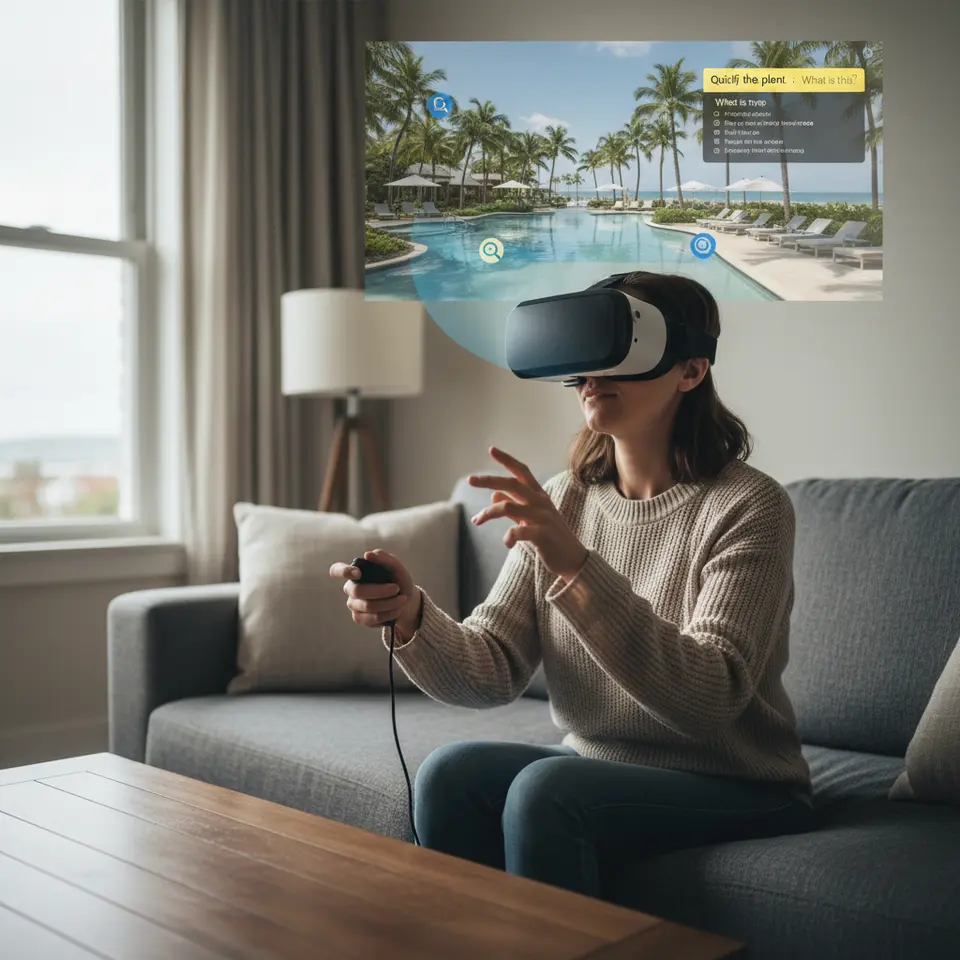
Creating compelling interactive video campaigns requires thoughtful planning and execution. Follow these proven guidelines to maximize engagement and conversion rates:
Define Clear Objectives
Begin with a concise statement of your goals: Are you aiming to generate leads, boost e-commerce sales, educate viewers, or amplify brand awareness? Align every interactive element—whether it’s a hotspot, poll, or branching choice—to these objectives. A clear purpose ensures that every click or decision drives measurable progress toward your desired outcome.
Keep Interactions Focused and Limited
Overloading a video with clickable items can overwhelm users and dilute the impact of each interaction. As a general rule, include no more than four interactive points per video segment. This restraint helps maintain narrative flow and prevents decision fatigue. Strategically place these elements at key moments where viewer interest and attention are highest.
Adopt a Mobile-First Design Approach
Mobile devices account for the majority of video consumption today. Ensure that interactive hotspots and buttons are large enough for touchscreens and adhere to spacing guidelines that prevent misclicks. Test your interactive video across a variety of devices and operating systems to verify consistent performance and responsiveness.
Optimize Load Times and Technical Performance
Slow buffering or lag can derail viewer engagement before interactive elements even load. Compress video assets without compromising visual quality, and host your interactive layers on a content delivery network (CDN) to reduce latency. Refer to performance best practices from standards bodies like W3C to maintain reliable playback across browsers and platforms.
Implement A/B Testing and Iterative Refinement
No single version of interactive video will be perfect on the first try. Use A/B testing to compare variations of CTAs, interactive placements, narrative pathways, and video lengths. Analyze metrics such as click-through rate (CTR), completion rate, and conversion rate to identify winning combinations. Continuously iterate based on real-world user data to optimize performance over time.
Ensure Accessibility and Compliance
Interactive content should be inclusive. Provide alternative text for visual hotspots, enable keyboard navigation, and include captions for quizzes or branching narratives. By following accessibility guidelines outlined by government agencies like USA.gov, you can reach a wider audience and adhere to compliance standards this year (2026).
Top Platforms and Tools to Streamline Production
Numerous specialized platforms simplify the creation, management, and analytics of interactive video. Below are some of the most popular options that cater to different use cases and budgets:
Vidyard
Designed primarily for B2B marketers, Vidyard offers seamless integration of customizable hotspots, forms, and detailed analytics dashboards. Its user-friendly interface requires no coding, making it ideal for sales teams embedding interactive videos into email outreach and landing pages. Advanced features include gated content and CRM integrations for automated lead nurturing.
H5P
An open-source interactive content framework, H5P integrates easily with WordPress, Moodle, and other CMS platforms. It supports a variety of interactive elements—including quizzes, branching scenarios, and 360° environments—without requiring extensive technical expertise. Developers can extend H5P with custom plugins, while educators benefit from built-in tools for tracking learner performance.
Wirewax
Leveraging AI-driven tagging and shoppable video capabilities, Wirewax is a go-to solution for e-commerce brands seeking immersive shopping experiences. Its advanced object recognition automatically identifies products in each frame, allowing creators to attach interactive overlays at scale. Comprehensive analytics track user interactions and revenue attribution for each clickable item.
TouchCast
TouchCast combines virtual studio technology with live data overlays and interactive Q&A features. It excels in webinars, live events, and virtual press conferences. Presenters can insert real-time polls, annotation tools, and video embeds on the fly, creating a rich multimedia environment that encourages audience participation.
Key Performance Metrics to Monitor
Once your interactive video campaign is live, focus on these critical metrics to assess success:
- Engagement Rate: Percentage of viewers who interact at least once.
- Completion Rate: Proportion of users who finish the entire interactive experience.
- Click-Through Rate (CTR): Number of clicks on hotspots or CTAs divided by total views.
- Conversion Rate: Percentage of viewers who complete a desired action (sign-up, purchase, download).
- Drop-Off Points: Specific segments where engagement declines, guiding optimization efforts.
FAQ
What types of interactivity can I add to my videos?
You can include clickable hotspots, quizzes or polls, branching scenarios, shoppable overlays, and even 360°/VR integrations. Choose elements that align with your goals—whether it’s lead generation, e-commerce sales, educational assessment, or immersive experiences.
How do I measure the success of an interactive video campaign?
Key metrics include engagement rate (percentage of viewers who interact), completion rate, click-through rate (CTR) on hotspots and CTAs, conversion rate for desired actions, and drop-off points where users disengage. Use these insights to refine your content and interactive placements.
Do I need specialized software or skills to create interactive videos?
While some advanced features like VR may require specialized tools and expertise, many platforms such as Vidyard, H5P, Wirewax, and TouchCast offer user-friendly interfaces that require minimal coding. Choose a solution based on your technical resources and campaign complexity.
Conclusion
Interactive video represents the next frontier in digital content, offering a compelling way to boost engagement, gather actionable insights, and drive conversions in today’s crowded marketplace. By incorporating clickable hotspots, quizzes, branching scenarios, and shoppable overlays, you can transform passive viewers into active participants who spend more time with your message and take meaningful actions. Carefully define your objectives, adopt a mobile-first design mindset, and use proven platforms like Vidyard, H5P, and Wirewax to streamline production and analytics.
This year (2026), prioritize A/B testing, data-driven refinements, and accessibility compliance to ensure your interactive video campaigns deliver maximum impact. Whether you’re aiming to capture leads, educate audiences, or accelerate e-commerce sales, interactive video equips you with the tools to craft personalized experiences that resonate. Start prototyping your first interactive clip today, and watch as higher engagement and conversion rates become the new norm for your digital marketing efforts.