What Personalized Video Marketing Entails
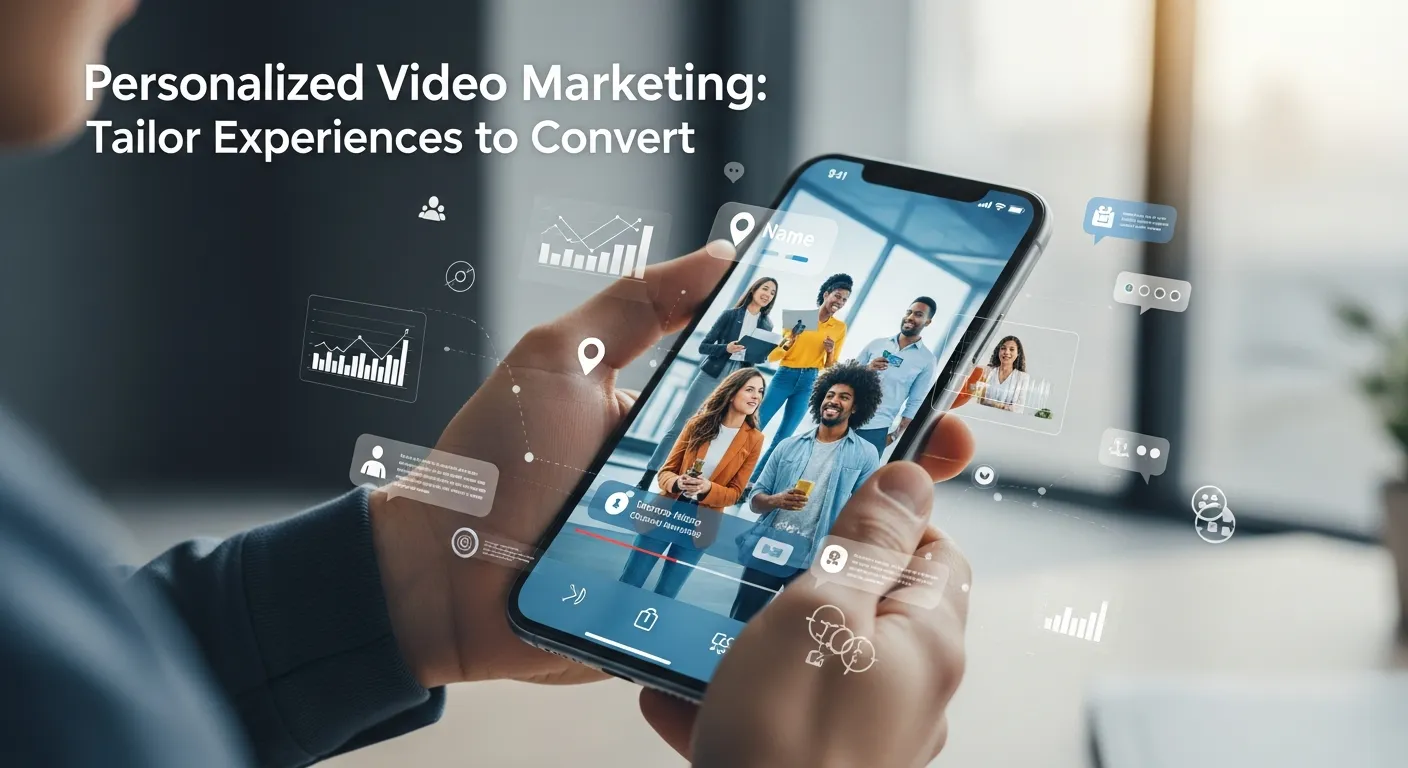
Personalized video marketing refers to the practice of customizing video content based on individual viewer data, transforming each piece of media into a unique experience. Instead of presenting static, generic clips, marketers dynamically insert elements such as the recipient’s name, location, past purchases, or browsing history directly into the video. This level of customization makes the viewer feel recognized and valued, significantly improving engagement rates. For instance, a brand might send a personalized welcome video to a new subscriber, highlighting products or services that align with their interests, or showcase a product demo tailored to a customer’s industry challenges. At its core, personalized video marketing relies on seamless integration between customer relationship management (CRM) systems, marketing automation platforms, and dynamic video tools that support real-time data insertion.
Today, leading video platforms allow for branching logic that adapts the video storyline based on viewer actions or preferences. When a recipient watches a segment that features products they recently viewed online, the narrative shifts to offer special discounts on those items. This adaptability creates a more interactive and immersive experience, fostering stronger emotional connections with the brand. Moreover, personalization extends beyond text overlays; brands can modify images, calls to action, and even entire video segments to reflect regional offers or seasonal promotions. As a result, each viewer receives content that feels crafted specifically for them.
Implementing personalized video marketing begins with collecting high-quality data. Marketers must aggregate insights from email campaigns, website analytics, and social media interactions, then clean and organize that information within secure databases. Compliance with data privacy regulations is also crucial. By obtaining explicit consent and following best practices for data storage, companies can build trust while adhering to legal requirements. When executed thoughtfully, personalized video marketing elevates traditional video strategies by delivering memorable, relevant experiences that resonate with audiences on an individual level.
The technical backbone of personalized video marketing often involves specialized software solutions equipped with application programming interfaces (APIs) that connect to existing marketing ecosystems. By leveraging APIs, brands can pull user-specific data from CRMs like Salesforce or HubSpot and map those variables into dynamic templates. These templates offer a framework for generating thousands of personalized videos without manually editing each file. Additionally, incorporating machine learning algorithms can further refine content recommendations, enabling predictive personalization that anticipates a viewer’s needs before they explicitly express them. In today’s competitive environment, leveraging such advanced technology allows brands to deliver tailored messages at scale, ensuring every interaction is relevant and impactful.
Why Personalized Video Marketing is Crucial Today

In today’s digital landscape, consumers are bombarded with an overwhelming volume of content across multiple channels. As a result, generic video campaigns often struggle to capture attention or make a lasting impression. Personalized video marketing addresses this challenge by delivering tailored messages that resonate with each individual viewer. Research from the Pew Research Center indicates that personalized content significantly enhances engagement, with personalized campaigns driving up to 80 percent higher click-through rates compared to non-personalized alternatives. When viewers recognize elements such as their name, browsing history, or location within a video, they are more likely to invest time in watching the entire message and follow through on calls to action.
Beyond engagement, personalized video marketing plays a vital role in improving conversion rates and fostering customer loyalty. By offering product recommendations based on past behavior, brands can guide viewers through the purchasing funnel more effectively. A study from the Stanford Graduate School of Business found that targeted video campaigns can boost conversion rates by 20 percent or more, as audiences feel the content speaks directly to their needs. Moreover, personalized videos often yield higher retention rates: viewers remember customized messages longer, leading to stronger brand recall and repeat purchases.
Another advantage of personalized video marketing lies in its ability to enhance customer satisfaction. When brands anticipate customer needs and deliver relevant solutions, they build trust and credibility. This approach aligns with consumer expectations for tailored experiences across all touchpoints. Furthermore, personalized videos can provide actionable insights by tracking individual-level metrics such as watch time, click-through interactions, and engagement patterns. These analytics inform future marketing decisions and allow continuous optimization. As competition intensifies for consumer attention, personalized video marketing emerges as a powerful differentiator that drives measurable results and deepens audience relationships.
Furthermore, the return on investment (ROI) of personalized video marketing often surpasses that of traditional video campaigns. By focusing resources on viewers who have expressed interest through prior interactions, marketers reduce wasted ad spend and allocate budgets more efficiently. For example, retargeting customers who have abandoned their shopping carts with personalized video reminders can recover lost sales and increase average order values. Similarly, personalized post-purchase videos thanking customers by name and offering relevant cross-sell items can extend the customer lifetime value. In today’s data-driven era, leveraging personalization not only boosts immediate performance metrics but also contributes to long-term business growth.
Effective Strategies for Crafting Personalized Videos
Segmenting Your Audience
One of the earliest steps in personalized video marketing is audience segmentation. By grouping prospects and customers according to demographics, purchase history, engagement levels, or browsing behavior, brands can create targeted video experiences for each cohort. For instance, first-time visitors might watch a branded welcome video, while loyal customers receive content highlighting premium services. Effective segmentation relies on comprehensive data collection through CRM systems and website analytics tools. Having accurate, up-to-date profiles ensures the right message reaches the right person at the right time.
Collecting and Analyzing Data
Data is the foundation of personalization. Companies must establish processes for gathering, organizing, and interpreting viewer information while adhering to privacy regulations such as GDPR and CCPA. Leveraging platforms with advanced analytics capabilities allows marketing teams to track metrics like watch time, click-through rates, and repeat views. By analyzing these insights, teams can refine their personalized video marketing strategies, identify high-performing video elements, and uncover opportunities to improve engagement.
Creating Dynamic Video Content
Dynamic content creation is at the heart of personalized video marketing. Video platforms equipped with dynamic ad insertion and branching technology let marketers swap text overlays, images, and entire video segments based on viewer data. For example, a video highlighting different product categories can automatically display the items a specific viewer has shown interest in. This approach eliminates the need for separate video assets for each audience segment, streamlining production workflows.
Developing Personalized Calls to Action
Customized calls to action (CTAs) can significantly improve click-through and conversion rates. By incorporating viewer-specific information—such as their name or observed preferences—CTAs become more compelling. A first-time visitor might see an invitation to download a free ebook, whereas a returning customer could be prompted to schedule a product demo. Aligning CTAs with each viewer’s stage in the customer journey ensures the message remains relevant and timely.
Testing and Iterating
Continuous testing is essential for personalized video success. Implement A/B tests to compare different personalized elements, from video length to CTA design. Measure results against key metrics like engagement rate and conversion rate, then iterate on the highest-performing variations. This data-driven approach allows marketers to optimize personalized video marketing campaigns over time, ensuring they deliver maximum impact.
Essential Tools and Best Practices for Video Personalization

Executing personalized video marketing at scale requires robust tools that integrate seamlessly with your marketing technology stack. Popular platforms include Vidyard, Hippo Video, Bonjoro, Wistia, and Vimeo Pro. These solutions offer dynamic video templates, advanced analytics dashboards, and integrations with leading CRM and marketing automation platforms. By selecting the right tool, marketers can automate personalization workflows and maintain consistency across campaigns.
When evaluating personalization tools, consider features such as API connectivity, real-time data syncing, and support for branching logic. Integration with CRM systems like Salesforce or HubSpot ensures data fidelity and enables automated triggering of personalized videos based on predefined events, such as form submissions or website visits. Additionally, verify that the platform adheres to security standards for data privacy.
Maintaining best practices is just as important as selecting the right tools. First, ensure that all personalization efforts comply with relevant regulations, including GDPR and CCPA. Obtain explicit user consent, implement secure data storage, and provide clear privacy policies. Second, keep videos concise—aim for 60 to 90 seconds to maximize viewer retention. Studies show shorter videos maintain higher completion rates.
Third, use consistent branding, even in personalized content. Standardize visual elements such as logos, color schemes, and fonts to reinforce brand identity. Fourth, optimize videos for mobile devices; more than half of all video views occur on smartphones and tablets, so ensure your videos load quickly and display correctly on smaller screens. Finally, adopt a mobile-first mindset by testing playback experiences across different operating systems and network speeds.
To stay current, marketers should regularly review updates from authoritative institutions. Resources like the Stanford Graduate School of Business provide valuable insights into consumer behavior trends and technology adoption. By combining expert research with practical tool features, marketing teams can develop a comprehensive personalization framework capable of adapting to evolving audience expectations.
In addition to selecting the right platforms, invest in team training and cross-functional collaboration. Personalized video marketing often requires input from content creators, data analysts, and IT professionals. Establish clear workflows and communication channels to ensure dynamic video projects move swiftly from concept to execution. Encourage experimentation and knowledge sharing to foster innovation and continuous improvement. When everyone understands the goals and technical possibilities, personalized video marketing initiatives become more efficient and effective.
Evaluating Success and Exploring Future Directions

Tracking the performance of personalized video marketing is essential to demonstrate ROI and refine future campaigns. Key performance indicators include view rate (the percentage of recipients who watch the video), average watch time, engagement actions—such as clicking on embedded CTAs—and conversion rate, which measures how many viewers complete the desired action. By monitoring these metrics at the individual level, marketers can identify which video variations resonate most strongly and allocate resources accordingly.
Real-world examples illustrate the power of personalized video marketing. An e-commerce retailer regained lost revenue by sending cart abandonment videos that dynamically displayed the exact items customers had left behind, coupled with a limited-time discount code. This strategy boosted conversion rates by 35 percent. Similarly, a B2B SaaS provider implemented a personalized onboarding video series for trial users, customizing each segment to highlight features relevant to the user’s industry. This campaign drove a 25 percent uplift in trial-to-paid conversions.
Looking ahead, several emerging trends are shaping the future of personalized video marketing. Artificial intelligence (AI) and machine learning are enabling hyper-personalization at scale, automatically adjusting video content based on real-time user behavior and preferences. Interactive and shoppable videos are gaining traction, allowing viewers to make purchases directly within the video player. Real-time dynamic updates mean that video content can reflect the latest inventory levels or pricing information. Innovations in augmented reality (AR) and virtual reality (VR) are also opening doors for immersive, personalized brand experiences that merge digital content with the physical world.
Voice and chatbot integrations are poised to add another layer of personalization, enabling two-way interactions within video environments. For instance, a viewer could ask questions about product features and receive tailored responses or follow-up content. As technology continues to evolve, marketers will need to stay agile, adopting new tools and tactics to keep pace with shifting consumer expectations. In today’s rapidly changing environment, embracing these innovations will be key to maintaining a competitive edge.
Continuous innovation and measurement will define success in personalized video marketing. Regularly update your personalization templates, experiment with novel content formats, and solicit viewer feedback to uncover preferences and pain points. By combining rigorous analytics with creative experimentation, brands can ensure their personalized video marketing strategies remain effective, relevant, and engaging in this year and beyond.
Conclusion
Personalized video marketing represents a strategic evolution in how brands communicate with audiences, offering a way to cut through the noise by delivering content that feels tailor-made for each viewer. By harnessing detailed customer data, dynamic video technology, and targeted calls to action, marketers can significantly boost engagement, conversion, and customer loyalty. In today’s landscape, where consumer expectations for relevant experiences continue to rise, personalization is no longer optional but a critical component of effective marketing campaigns.