Tracking your Video Marketing ROI empowers you to justify production costs and optimize future campaigns. By analyzing viewer engagement, conversion rates, and lead generation, you can pinpoint exactly what works, refine your strategy, and achieve measurable, sustainable business growth.
The Foundation of Video Marketing ROI
Video Marketing ROI represents the profit you make from your video content compared to the amount you spent creating and distributing it. It is the ultimate indicator of whether your visual content strategy is working. When you measure this metric accurately, you move away from guessing and start making data-backed decisions that propel your brand forward.
Calculating this return involves looking at both direct revenue and indirect benefits like brand awareness and audience trust. You need to account for all expenses, including equipment, editing software, talent, and paid distribution. Once you have those figures, you compare them against the value of new leads, direct sales, and increased website traffic generated by your content.
Aligning Content with the Buyer’s Journey

To get the best possible return on your investment, you must create content tailored to specific stages of the customer journey. A one-size-fits-all approach rarely yields high conversions.
Top of the Funnel: Awareness
At this stage, your goal is to attract a broad audience. Educational content, short social media clips, and brand storytelling work best here. These videos should focus on solving common problems without aggressively pushing a product. The primary metrics to watch are views, impressions, and social shares.
Middle of the Funnel: Consideration
Once viewers know your brand, you need to build trust. Product demonstrations, expert interviews, and detailed explainer videos help potential customers understand how your offering solves their specific pain points. You should actively monitor your lead generation tactics, tracking email sign-ups and click-through rates.
Bottom of the Funnel: Decision
This is where conversions happen. Customer testimonials, in-depth case studies, and personalized video pitches give prospects the final push they need to buy. At this stage, your Video Marketing ROI is directly tied to sales conversions and customer acquisition costs.
Essential Metrics to Measure Success
You cannot improve what you do not measure. Tracking the right data points ensures your campaigns remain profitable and engaging.
Engagement and Retention

View count only tells a fraction of the story. You must look at average view duration and audience retention rates. If thousands of people click your video but leave after three seconds, your content is not resonating. High retention indicates that your message is captivating and relevant to your target audience.
Click-Through and Conversion Rates
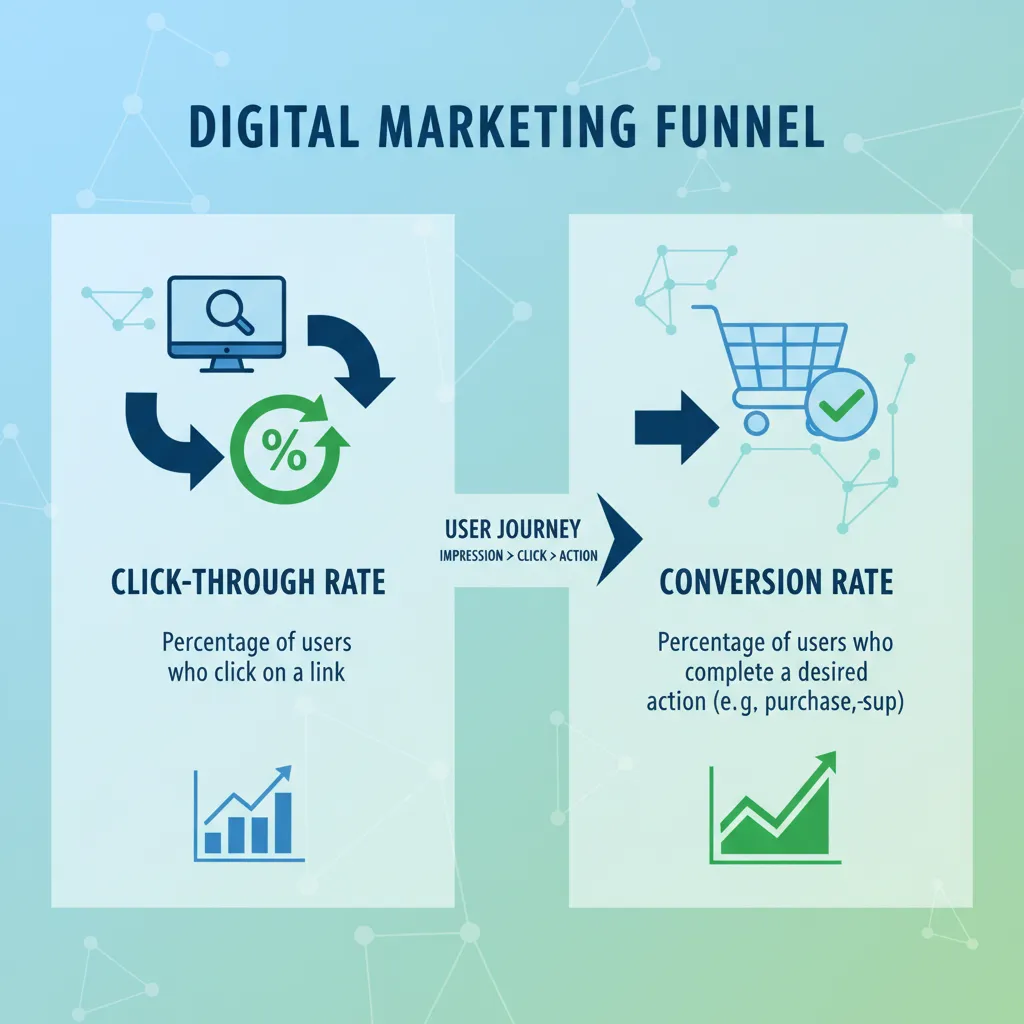
When a viewer finishes your video, what do they do next? A strong call-to-action should guide them to a landing page, a product link, or a newsletter signup. By tracking click-through rates, you can determine how effectively your content drives action. Linking these clicks to actual purchases is how you calculate your exact return on investment.
Social and Brand Lift
While harder to quantify, social shares, comments, and brand mentions play a massive role in your overall success. High social engagement expands your organic reach, reducing your need for paid advertising. This organic amplification significantly boosts your bottom line over time.
Comparison Table: Video Formats and ROI Potential
|
Video Format |
Primary Goal |
Production Cost |
Expected ROI Timeline |
Best Distribution Channel |
|---|---|---|---|---|
|
Explainer Videos |
Lead Generation |
Medium to High |
Medium-Term |
Website, YouTube |
|
Social Media Shorts |
Brand Awareness |
Low |
Short-Term |
TikTok, Instagram Reels |
|
Product Demos |
Direct Sales |
Medium |
Short-Term |
Product Pages, Email |
|
Customer Testimonials |
Trust Building |
Low to Medium |
Long-Term |
Landing Pages, LinkedIn |
|
Live Streams |
Engagement |
Low |
Immediate |
Facebook, YouTube Live |
Pro Tips and Expert Insights
To truly maximize your returns, you need to adopt the habits of highly successful content creators and digital strategists.
- Repurpose Everything: Never publish a video just once. Turn a ten-minute YouTube video into five short clips for social media, extract the audio for a podcast, and transcribe the text for a blog post. This drastically reduces your content creation costs while maximizing reach.
- Invest in High-Quality Audio: Viewers will forgive slightly blurry visuals, but they will immediately click away if the audio is poor. Invest in a good microphone before upgrading your camera.
- Optimize for Mobile and Silent Viewing: The majority of social media users consume content on their phones, often with the sound off. Always include clear, accurate captions to retain viewers who are watching in public spaces.
- Leverage A/B Testing: Create two different thumbnails and titles for your most important videos. Test them against each other to see which generates a higher click-through rate.
Common Mistakes to Avoid
Many businesses pour money into visual content only to see zero return. Avoid these frequent pitfalls to keep your campaigns profitable.
- Lacking a Clear Call-to-Action: If you do not tell the viewer what to do next, they will do nothing. Always include a specific, compelling directive at the end of your content.
- Ignoring Search Engine Optimization: Videos need SEO just like written content. Use relevant keywords in your titles, descriptions, and file names to ensure your content is discoverable. Connect this with your broader SEO optimization strategy for maximum impact.
- Focusing on Viral Fame Over Targeted Value: A video with ten thousand views from your exact target audience is far more valuable than a viral video with a million views from people who will never buy your product. Focus on relevance, not vanity metrics.
- Inconsistent Publishing: Building an audience requires momentum. Posting one expensive video and then going silent for three months will kill your channel’s growth. Consistency always beats sporadic perfection.
Amplifying Reach Through Smart Distribution
Creating the video is only half the battle. How you distribute it determines your ultimate success.
You must utilize a multi-channel approach. Embed your core videos on your website to increase dwell time, which sends positive signals to search engines. Share them across your social media advertising channels to capture top-of-funnel awareness. Finally, feature them heavily in your email marketing campaigns. Including a video thumbnail in an email can drastically increase your open and click-through rates, driving highly qualified traffic directly to your sales pages.
Ultimately, realizing a high Video Marketing ROI requires a commitment to continuous learning. As algorithms shift and consumer preferences evolve, you must remain agile, testing new formats and refining your approach based on hard data.
Driving substantial Video Marketing ROI requires strategic planning, precise metric tracking, and high-quality production. By understanding your audience, optimizing your distribution, and constantly analyzing your data, you can build a highly profitable visual content engine. Start implementing these strategies today to watch your conversions soar.