Social video marketing drives modern digital engagement. By mastering platform behavior, storytelling, visual branding, and analytics, creators and brands can stop the scroll, build loyal audiences, and achieve sustainable growth through authentic, value-driven video content.
Social video has become the backbone of digital engagement. With over 5 billion videos watched daily across platforms, creating compelling social video content is no longer optional—it’s essential for reaching your audience where they already spend their time.
But here’s the challenge: most social videos get scrolled past within seconds. The difference between viral success and digital silence often comes down to understanding what makes viewers stop, watch, and share.
Understanding the Social Video Landscape
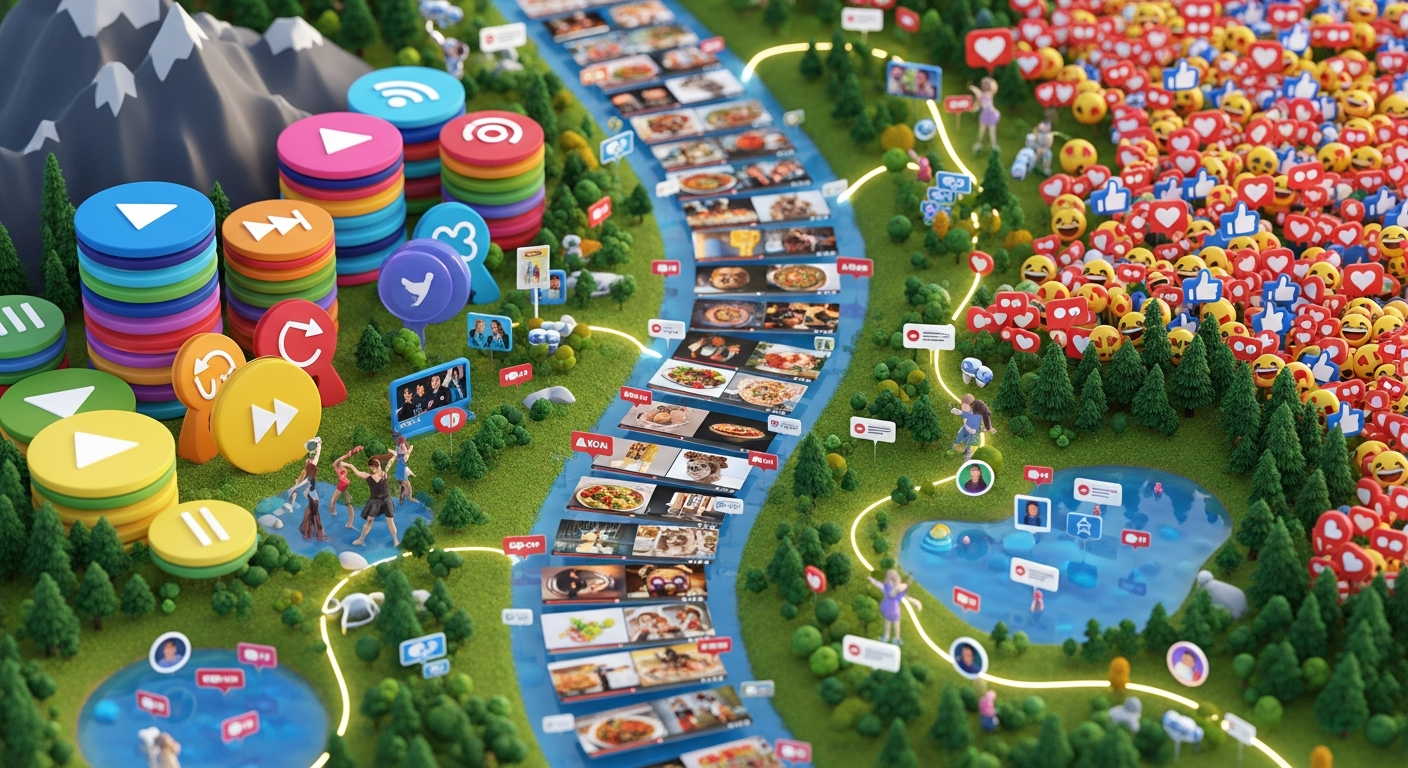
Social video isn’t just traditional video chopped into shorter pieces. Each platform has its own culture, audience expectations, and algorithmic preferences that determine what content succeeds.
Platform-Specific Considerations
Instagram favors visually polished content with strong storytelling elements. Stories perform well with behind-the-scenes content, while Reels reward trending audio and quick transformations.
TikTok thrives on authentic, entertaining content that feels native to the platform. The algorithm heavily favors videos that generate immediate engagement within the first few seconds.
LinkedIn responds to professional, educational content that provides genuine value. Videos that spark professional discussions or share industry insights tend to perform best.
YouTube Shorts bridges the gap between long-form and short-form content, rewarding creators who can deliver quick value while maintaining production quality.
Understanding these nuances helps you tailor your approach rather than using a one-size-fits-all strategy.
The Psychology of Social Video Engagement
Successful social videos tap into fundamental psychological triggers that compel viewers to engage.
The Hook Factor
You have approximately 3 seconds to capture attention before viewers scroll away. Effective hooks often use:
- Pattern interrupts: Unexpected visuals or sounds that break the scroll
- Curiosity gaps: Questions or statements that create a need to know more
- Emotional triggers: Content that immediately evokes joy, surprise, or relatability
Visual Storytelling Elements
Social videos succeed when they tell complete stories quickly. This requires:
Clear visual hierarchy that guides the viewer’s eye through the content progression. Use contrasting colors, strategic text placement, and purposeful camera movements.
Emotional arc compression where you establish setup, conflict, and resolution within seconds or minutes rather than traditional long-form pacing.
Contextual relevance that connects immediately with your audience’s current interests, challenges, or aspirations.
Creating Compelling Social Video Content

Pre-Production Strategy
Before filming, define your video’s specific purpose. Are you educating, entertaining, inspiring, or selling? This clarity shapes every creative decision.
Audience research goes beyond demographics. Study the comments on popular videos in your niche. What questions do people ask? What language do they use? What problems do they express?
Content auditing of successful videos in your space reveals patterns. Look for common video lengths, posting times, visual styles, and engagement tactics that consistently work.
Production Techniques That Work
Vertical-first filming acknowledges that most social video consumption happens on mobile devices. Design your shots for 9:16 aspect ratios rather than cropping horizontal footage.
Sound design strategy recognizes that many users scroll with sound off initially. Your video should work silently through visual storytelling, with audio enhancing rather than carrying the message.
Authentic presentation often outperforms overly polished content on social platforms. Users can distinguish between genuine and manufactured authenticity, so focus on real value over perfect production.
Post-Production Optimization
Pacing for attention spans means editing more aggressively than you might expect. Quick cuts, visual variety, and constant movement help maintain engagement throughout the video.
Text overlay strategy ensures your message comes through even without sound. Use clear, readable fonts and strategic placement that doesn’t obstruct key visuals.
Thumbnail optimization significantly impacts click-through rates. Create custom thumbnails that accurately represent your content while standing out in crowded feeds.
Measuring Social Video Success
Key Performance Indicators
View duration matters more than total view count. A video with 1,000 views and 80% completion rate outperforms one with 10,000 views and 10% completion.
Engagement rate includes likes, comments, shares, and saves. High engagement signals to algorithms that your content resonates with audiences.
Click-through rate to your profile or website indicates whether your video successfully drives desired actions beyond passive viewing.
Analytics Interpretation
Drop-off points in your video analytics reveal where you lose viewers. Use this data to refine your pacing, content structure, and hook effectiveness.
Audience retention graphs show which moments generate the most engagement. Identify these patterns to replicate successful elements in future videos.
Demographic insights help you understand whether you’re reaching your intended audience or discovering new market segments.
Common Social Video Mistakes to Avoid
Technical Pitfalls
Poor audio quality kills engagement faster than mediocre visuals. Invest in decent microphones or filming in acoustically favorable environments.
Inconsistent branding across videos makes it difficult for audiences to recognize and remember your content. Develop visual consistency in colors, fonts, and style.
Ignoring platform specifications results in poorly displayed content. Each platform has optimal dimensions, file sizes, and length requirements.
Content Strategy Errors
Overly promotional content performs poorly on social platforms where users expect value-first approaches. Focus on helping, entertaining, or informing before selling.
Inconsistent posting prevents algorithm optimization and audience building. Develop sustainable content creation workflows that enable regular publishing.
Ignoring trends responsibly means missing opportunities to reach new audiences. Stay current with platform trends while maintaining your brand voice and values.
Building Long-Term Social Video Success
Content Series Development
Educational sequences that build upon each other encourage followers to return for subsequent videos. This approach works particularly well for complex topics that can’t be covered in single videos.
Behind-the-scenes content humanizes your brand and creates ongoing narrative threads that keep audiences engaged over time.
User-generated content integration expands your content creation capacity while building a community around your brand.
Community Building Through Video
Responding to comments through video replies shows that you value audience engagement and often generates additional content ideas.
Collaborative content with other creators or customers expands your reach while providing fresh perspectives on your subject matter.
Interactive elements like polls, questions, or challenges encourage active participation rather than passive consumption.
Content Ideation That Actually Performs
Great social videos start with ideas rooted in audience behavior, not guesses. Analyze comments, FAQs, search queries, and competitor videos to identify recurring questions and emotional triggers. High-performing ideas usually solve a problem, challenge a belief, or reveal a shortcut. Use formats like “mistakes,” “before vs after,” “how-to,” and “myth-busting” to frame content quickly. Keep ideas platform-native—what works on TikTok may fail on LinkedIn. Maintain an idea bank and prioritize topics based on relevance, trend momentum, and audience pain points. Consistent ideation systems remove creative blocks and help maintain posting frequency without burnout.
Short-Form vs Long-Form Social Video Strategy
Short-form videos dominate discovery, while longer videos build trust and authority. Reels, Shorts, and TikToks are ideal for hooks, quick tips, and emotional storytelling. Long-form videos on YouTube, LinkedIn, or Facebook allow deeper explanations and brand positioning. The smartest strategy connects both: use short-form videos to attract attention, then funnel viewers into long-form content. Repurpose long videos into multiple short clips to maximize reach. This layered approach increases visibility while nurturing deeper audience relationships across platforms.
Scriptwriting for Scroll-Stopping Videos
Strong scripts make average videos perform well. Start with a powerful hook in the first 2–3 seconds—ask a bold question, show the outcome first, or highlight a common mistake. Keep sentences short and conversational. Each line should push curiosity forward. Avoid filler phrases and jump straight to value. End with a clear call-to-action, whether it’s commenting, sharing, or visiting your profile. Even “casual” videos benefit from light scripting to maintain clarity and pacing without sounding robotic.
Visual Branding That Builds Recognition
Consistent visuals help audiences recognize your content instantly. Use repeatable brand elements like color palettes, font styles, framing, and text placement. This doesn’t mean every video looks identical—but it should feel familiar. Visual branding increases recall, especially in fast-moving feeds. Simple brand cues such as a consistent intro style, recurring camera angle, or signature editing pattern can significantly improve follower retention. Over time, recognition builds trust—and trust drives engagement and conversions.
Using Captions and Subtitles Strategically
Most social videos are watched without sound. Captions ensure your message lands regardless of audio. But effective captions do more than transcribe—they guide attention. Highlight key phrases, vary text size, and sync captions with pacing. Avoid cluttering the screen; clarity beats decoration. Strong subtitles improve watch time, accessibility, and algorithm performance. Platforms reward content that keeps viewers engaged longer, and captions directly contribute to that retention.
Trend Adaptation Without Losing Brand Voice
Trends can explode reach—but only if used strategically. Blindly copying viral trends risks damaging brand credibility. Instead, adapt trends to your niche, message, and tone. Ask: “How does this trend serve my audience?” Modify scripts, visuals, or angles to align with your brand values. Trend participation works best when it adds insight, humor, or perspective rather than imitation. Sustainable growth comes from relevance, not randomness.
Posting Frequency and Consistency Strategy
Consistency matters more than volume. Posting three quality videos weekly outperforms daily low-effort uploads. Algorithms reward predictability, and audiences learn when to expect content. Create a realistic posting schedule based on your capacity. Batch filming and editing saves time and reduces burnout. Sustainable consistency builds momentum and trust—both essential for long-term growth.
Repurposing Content Across Platforms
One strong video can fuel multiple platforms. Resize, re-edit, or re-caption content to fit platform norms. A TikTok can become an Instagram Reel, YouTube Short, or LinkedIn post with minor adjustments. Repurposing multiplies reach without multiplying effort. Just ensure platform-specific optimization—captions, hashtags, and tone should match the audience. Smart repurposing turns content into an asset, not a one-time post.
Monetizing Social Video Content
Social video drives revenue through brand deals, affiliate links, lead generation, product sales, and service inquiries. Monetization works best when value comes first. Educate, entertain, or inspire consistently before selling. Use soft CTAs like “link in bio” or “comment for resources.” Trust-based monetization outperforms aggressive promotion and builds sustainable income streams.
Scaling Social Video With Systems
Long-term success requires systems. Create repeatable workflows for ideation, filming, editing, posting, and analytics review. Templates, presets, and checklists reduce friction. As you scale, delegate editing or scheduling while retaining creative direction. Systems allow growth without sacrificing quality, consistency, or sanity.
Your Next Steps in Social Video
 Creating successful social video content requires consistent effort, strategic thinking, and willingness to adapt based on performance data. Start by choosing one platform where your audience is most active, then develop a content creation system that you can maintain long-term.
Focus on providing genuine value in every video, whether through education, entertainment, or inspiration. As you build experience and gather data about what resonates with your audience, you can expand to additional platforms and more sophisticated content strategies.
Remember that social video success isn’t about perfection—it’s about connection. The most engaging videos often come from creators who understand their audience deeply and aren’t afraid to show authentic personality in their content.
Conclusion
Social video success isn’t about chasing virality—it’s about creating consistent, valuable content that resonates with real people. By understanding platform behavior, mastering storytelling, optimizing visuals, and tracking performance, brands and creators can build sustainable engagement. Focus on connection over perfection, strategy over shortcuts, and long-term value over quick wins. When done right, social video becomes your most powerful digital growth engine.
Frequently Asked Questions (FAQs)
1. What is social video marketing?
Social video marketing is the use of video content across social media platforms to attract attention, communicate messages, and encourage audience interaction. It helps brands and creators increase visibility, build trust, and drive actions such as follows, website visits, leads, or sales by meeting users where they already spend time.
2. Which platform is best for social video?
There is no single “best” platform—it depends on your goals and audience. TikTok is ideal for rapid discovery and viral reach, Instagram supports strong visual branding through Reels and Stories, LinkedIn works well for professional and educational content, and YouTube offers long-term visibility and search-driven growth.
3. How long should social videos be?
Most high-performing social videos fall between 7 and 30 seconds, especially for short-form platforms. However, the real factor is value. If your video delivers clear value quickly and maintains attention, longer videos can also perform well.
4. Do I need professional equipment to start?
No professional equipment is required. A smartphone with good lighting and clear audio is more than enough to create effective social videos. Content quality, clarity, and relevance matter far more than expensive cameras or studio setups.
5. How often should I post social videos?
Posting consistently is more important than posting frequently. For most creators and businesses, 2–4 videos per week is ideal. This allows enough content to build momentum without sacrificing quality or causing burnout.
6. Are captions really necessary for social videos?
Yes, captions are essential. Many users watch videos without sound, especially while scrolling. Captions improve accessibility, increase watch time, and help viewers understand your message instantly, which boosts overall engagement.
7. How do I make social videos go viral?
Virality comes from relevance, not shortcuts. Strong hooks, emotional connection, relatable topics, and shareable insights increase the chances of wide reach. While trends can help, consistent value and authenticity matter more than chasing viral tricks.
8. What metrics matter most for social video success?
Watch time, audience retention, engagement rate (likes, comments, shares, saves), and profile clicks are more important than raw views. These metrics signal real interest and help algorithms promote your content further.
9. Can businesses use social video effectively?
Absolutely. Businesses use social video for product demos, customer testimonials, behind-the-scenes content, tutorials, and brand storytelling. Video humanizes brands, builds trust, and often converts better than static content.
10. Should social videos be scripted?
Light scripting is recommended. While videos should feel natural, having a clear structure improves clarity, pacing, and confidence. Even a simple outline helps ensure your message is delivered effectively without sounding robotic.
11. How long does it take to see results from social video?
Most creators begin seeing meaningful engagement and growth within 30–90 days of consistent posting. Results depend on content quality, consistency, audience alignment, and how well you adapt based on performance data.
12. Is social video worth the effort?
Yes. Social video delivers the highest engagement rates across digital marketing channels. It builds stronger connections, increases organic reach, and supports long-term brand growth, making it one of the most valuable content formats today.