
Digital video marketing has become one of the most effective ways for businesses to connect with their target audiences, communicate their brand messages, and increase online visibility. From social media videos and promotional campaigns to educational content and video advertisements, businesses can use video to attract potential customers and build long-term relationships. A successful approach requires the right content strategy, audience research, search engine optimization, and performance tracking. This guide explores essential strategies, current trends, advertising techniques, and practical ways to use video to grow a business in the digital marketplace.
Digital Video Marketing Strategy
A successful digital video marketing strategy begins with understanding business objectives and identifying the audience a company wants to reach. Before producing any video, businesses should determine whether their primary goal is increasing brand awareness, generating leads, promoting products, educating customers, or improving sales. Having a clear purpose helps marketers create relevant content and select the most appropriate platforms for distribution.
Audience research is another important part of developing an effective strategy. Businesses need to understand their customers’ interests, online behavior, problems, and purchasing preferences. This information helps them create videos that address real customer needs instead of simply promoting products. For example, a company selling skincare products may create educational videos about skincare routines, product ingredients, and common skin concerns.
Consistency also plays a major role in achieving long-term results. Publishing valuable videos regularly helps brands maintain audience interest and establish a recognizable online presence. Businesses should develop a content calendar that includes educational videos, product demonstrations, customer testimonials, and promotional campaigns. A well-planned digital video marketing strategy should also include measurable performance indicators. Metrics such as views, watch time, engagement, click-through rates, and conversions help marketers understand whether their content is delivering the expected results. By analyzing these indicators and making improvements, businesses can build campaigns that support sustainable growth.
Video Content Marketing
Video content marketing focuses on creating and sharing useful, entertaining, or educational videos to attract and engage a target audience. Instead of directly selling products in every video, businesses provide information that helps viewers understand their problems and discover relevant solutions. This approach builds trust and encourages potential customers to develop a stronger connection with a brand. Different types of video content serve different purposes. Educational videos explain industry-related topics, tutorials demonstrate how products work, and behind-the-scenes videos introduce audiences to the people and processes behind a business. Customer testimonials provide social proof, while product demonstration videos help potential buyers understand product features and benefits.
Storytelling is particularly valuable in video content marketing. A compelling story can make a brand more relatable and help viewers remember its message. Rather than presenting a list of product features, businesses can demonstrate how their products solve everyday problems. This creates a more meaningful experience for viewers.
Quality and relevance should always be prioritized over expensive production equipment. A simple video with clear audio, useful information, good lighting, and an engaging message can perform better than a highly produced video without a clear purpose. Effective digital video marketing depends on delivering value to the audience and maintaining consistency across different content formats.
Video Marketing Trends
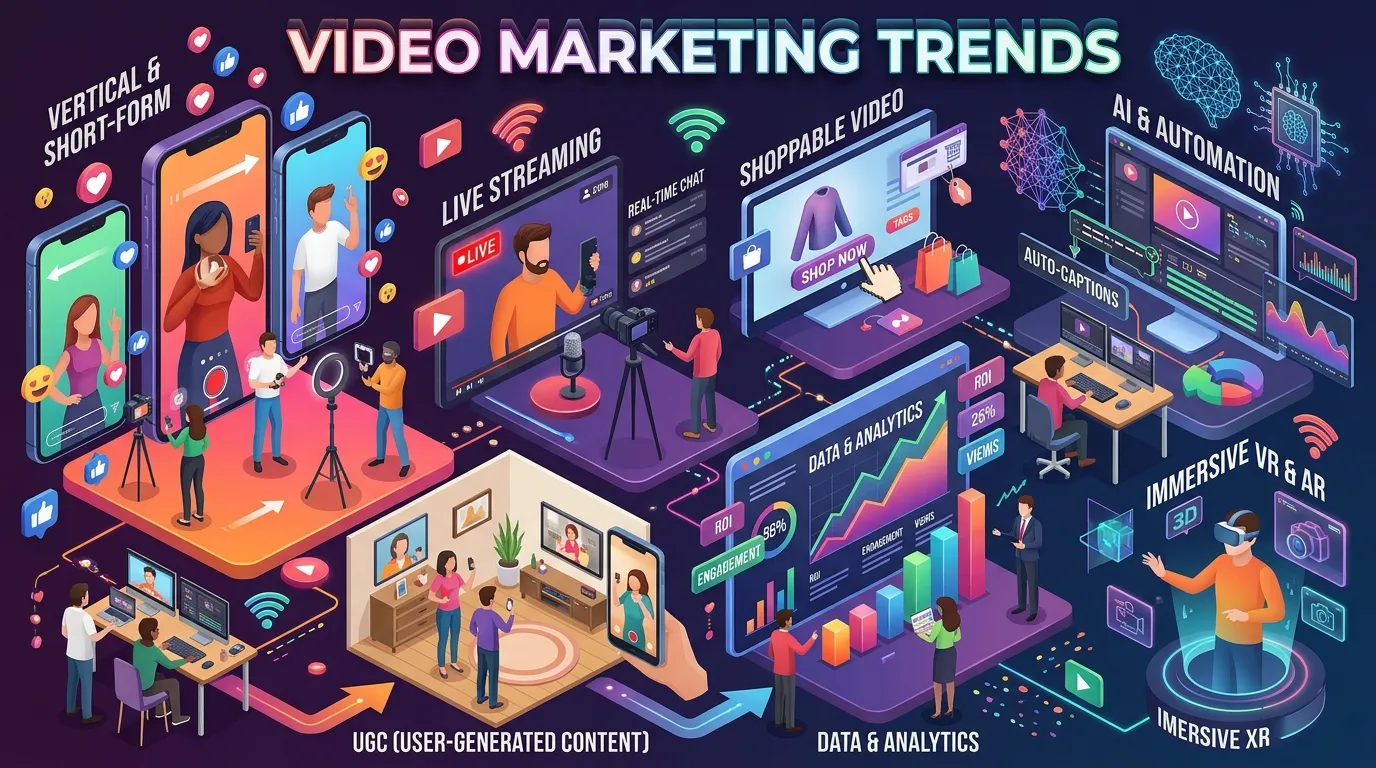 Video marketing continues to evolve as audience preferences, technology, and digital platforms change. Businesses that understand emerging trends can adapt their content strategies and remain competitive. One major trend is the growing popularity of short-form videos. Short videos are easy to consume, particularly on mobile devices, and allow businesses to communicate messages quickly.
Vertical video content has also become increasingly important because many people watch videos using smartphones. Platforms such as Instagram Reels, TikTok, and YouTube Shorts encourage creators and businesses to produce mobile-friendly content. Brands can use these formats to share product highlights, quick tutorials, industry tips, and entertaining stories. Another developing trend is personalized video content. Businesses are increasingly using audience insights to create messages that address specific customer interests and preferences. Personalized experiences can make viewers feel more connected to a brand and encourage stronger engagement.
Artificial intelligence is also influencing video production. AI-powered tools can assist with editing, subtitles, transcription, content planning, and video creation. These technologies can help marketing teams save time and produce content more efficiently. However, businesses should maintain authenticity and ensure that automated content accurately represents their brand. Live streaming, interactive videos, and user-generated content are also valuable trends. These formats encourage audiences to participate rather than simply watch. Businesses that incorporate these developments into their digital video marketing efforts can create more engaging experiences and strengthen customer relationships.
Video Advertising Techniques
Video advertising allows businesses to promote products, services, and brand messages through visual storytelling. It can appear across social media platforms, websites, streaming services, and search-related video placements. Effective advertising combines a clear message, appealing visuals, and a strong call to action. One useful technique is creating an attention-grabbing opening. Viewers often decide within the first few seconds whether they want to continue watching. Businesses should therefore introduce an interesting question, demonstrate a problem, or highlight an important benefit at the beginning of their advertisements.
Another effective technique is audience targeting. Advertising platforms allow marketers to reach people based on interests, demographics, location, and online behavior. By targeting relevant audiences, businesses can reduce unnecessary advertising expenses and improve campaign performance.
Retargeting is another valuable approach. It allows companies to show advertisements to people who have previously visited their website, watched their videos, or interacted with their content. These viewers may already know the brand, making them more likely to consider its products or services. The length and format of an advertisement should match its objective and platform. Short promotional videos can work well for awareness campaigns, while longer videos may be more appropriate for product explanations and demonstrations. Successful digital video marketing campaigns combine creative storytelling with audience targeting, testing, and continuous optimization.
Video Marketing for Businesses
Video marketing provides businesses of different sizes with opportunities to communicate their value and reach potential customers. Small businesses can use affordable video production methods to introduce their services, explain their products, and build credibility. Larger organizations can develop more extensive campaigns involving product launches, brand storytelling, and customer education. For businesses, one of the biggest advantages of video is its ability to explain complex information in a simple way. A software company, for example, can demonstrate how its platform works through a tutorial instead of relying entirely on written instructions. Similarly, a real estate business can create property tours that allow potential buyers to explore important features before arranging a visit.
Video can also strengthen brand identity. Businesses can communicate their mission, values, culture, and personality through consistent visual content. When customers understand what a company represents, they may feel more confident choosing its products or services. A strong website also supports business video campaigns. Companies should ensure that their websites are designed to provide a smooth user experience and make video content accessible. Businesses looking to strengthen their digital presence can explore web development for SEO, PPC, and email marketing to understand how website development supports broader digital marketing activities.
Customer loyalty is another important consideration. Helpful videos, product updates, tutorials, and customer appreciation content can maintain relationships after the initial purchase. Businesses can also explore brand loyalty strategies to understand how consistent brand experiences contribute to long-term customer relationships.
Social Media Video Marketing
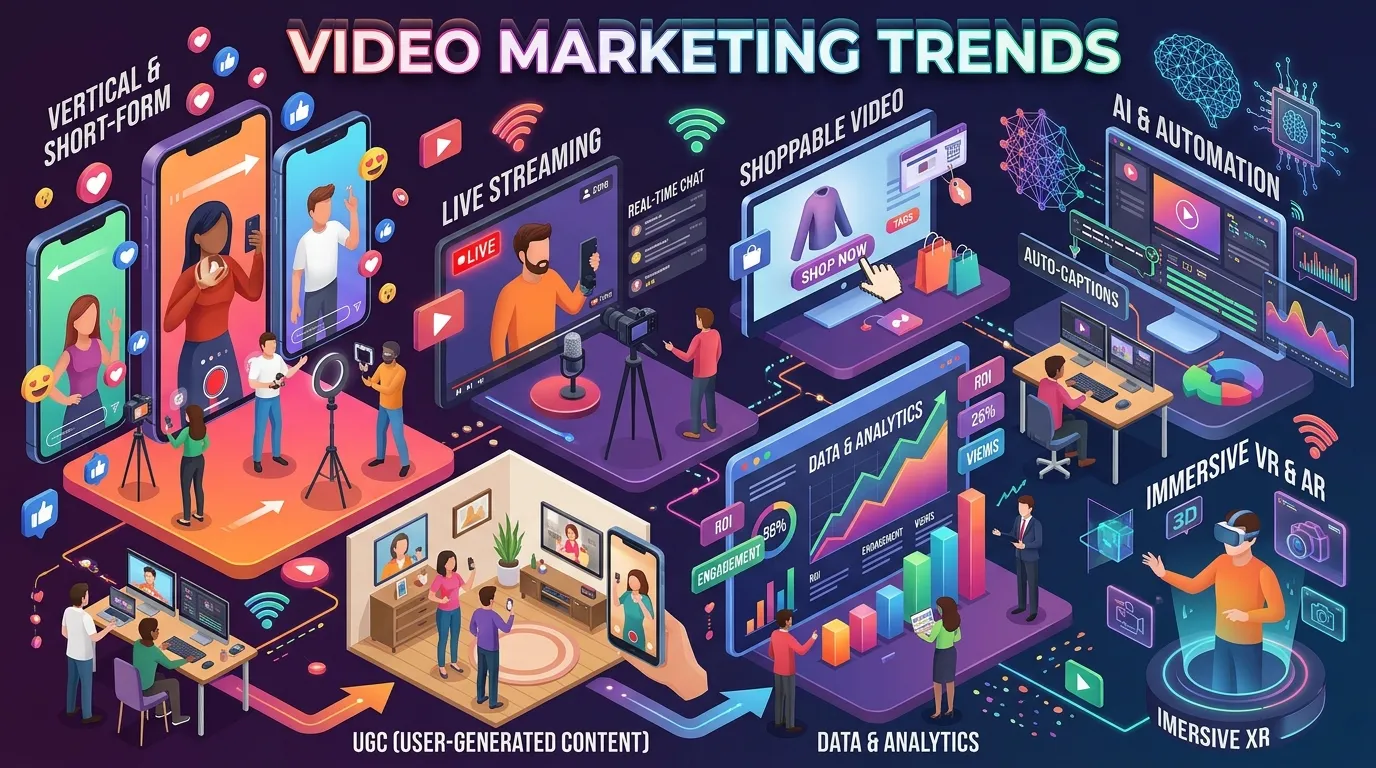 Social media platforms have become important channels for distributing video content and connecting with audiences. Businesses can use Facebook, Instagram, TikTok, LinkedIn, and YouTube to share promotional videos, educational content, customer stories, and company updates. Each platform has a different audience and content style, so businesses should adapt their approach accordingly. Instagram Reels and TikTok are useful for short, engaging videos that introduce products, share quick tips, or participate in relevant trends. YouTube is suitable for tutorials, product reviews, educational content, and longer videos.
LinkedIn can help B2B companies share professional insights, industry updates, and business-related presentations. Engagement is essential for successful social media campaigns. Businesses should encourage viewers to comment, share their opinions, ask questions, and visit relevant website pages. Responding to comments also helps brands develop stronger relationships with their audiences.
Social listening can improve social media video planning. By monitoring customer conversations, feedback, and industry discussions, businesses can discover topics that matter to their audiences. Companies can learn more through social media listening best practices and use these insights to develop more relevant video content. An effective digital video marketing campaign on social media should also consider platform-specific formats, captions, accessibility, and posting schedules. Regularly reviewing audience engagement helps businesses identify successful content types and improve future campaigns.
Video Marketing Strategies
Developing effective video marketing strategies requires a combination of planning, creativity, distribution, and measurement. Businesses should first identify the customer journey and determine what type of video content will support each stage. People discovering a brand for the first time may benefit from introductory videos, while customers comparing products may prefer detailed demonstrations and reviews. Content repurposing is another practical strategy. A long educational video can be divided into several shorter clips for social media. Important sections can also become blog content, email marketing material, or short promotional videos. This approach helps businesses maximize the value of their existing content.
Collaboration can also improve campaign reach. Companies may work with industry experts, influencers, or satisfied customers to create authentic videos that introduce their products to new audiences. The right collaboration should align with the brand’s values and appeal to its intended audience.
Webinars provide another opportunity to use video as part of a broader marketing strategy. Businesses can organize educational sessions, product demonstrations, and expert discussions to attract qualified prospects. Companies interested in this approach can explore a webinar marketing strategy to understand how webinars can support audience engagement and lead generation. Testing different video formats, opening messages, lengths, and calls to action can reveal what works best. Successful digital video marketing strategies are not based on assumptions alone. They use audience feedback and performance data to guide ongoing improvements.
Benefits of Video Marketing
Video marketing offers several advantages that can support business growth. One of its most important benefits is improved audience engagement. Videos combine visual elements, sound, and storytelling to communicate information in an engaging format. This can make messages easier to understand and more memorable. Another benefit is increased brand awareness. Businesses can introduce their products, explain their services, and communicate their identity to wider audiences through video distribution. When viewers find content useful or entertaining, they may share it with others, creating additional opportunities for exposure.
Videos can also support customer trust. Product demonstrations, expert explanations, and genuine customer testimonials allow potential buyers to learn more before making purchasing decisions. Seeing how a product works can reduce uncertainty and help customers evaluate whether it meets their needs. Video content can contribute to website performance as well. Relevant videos may encourage visitors to spend more time exploring a page and help explain information that would otherwise require lengthy written descriptions. However, videos should be optimized so they do not negatively affect page loading speed or usability.
Lead generation and conversions are additional benefits. Businesses can include clear calls to action that encourage viewers to request a quotation, register for a webinar, subscribe to a newsletter, or purchase a product. Ultimately, digital video marketing can support multiple business objectives when the content is relevant, informative, and aligned with the needs of the target audience.
Video SEO Optimization
Video SEO optimization helps businesses make their video content easier for search engines and audiences to discover. Publishing a video alone does not guarantee visibility. Businesses need to optimize titles, descriptions, transcripts, thumbnails, and the surrounding website content. The video title should clearly explain what viewers can expect. Including relevant search terms naturally can help search engines understand the subject of the video. Descriptions should provide useful context, explain the main topics, and include relevant links where appropriate.
Transcripts and captions improve accessibility and make spoken information available in text form. They also help viewers understand content when watching without sound. Businesses should ensure that captions are accurate and properly synchronized. Thumbnails are another important optimization element. A clear and relevant thumbnail can encourage users to click on a video when they see it in search results or on social media. Businesses should avoid misleading images because the thumbnail should accurately represent the video. Website performance also matters. Videos should be embedded appropriately, compressed when necessary, and supported by fast-loading pages. Providing a dedicated page with relevant written information can help search engines understand the context of the video.
Businesses should also use structured data when appropriate and follow search engine guidelines for video indexing. Video sitemap information may help search engines discover relevant video content. An effective digital video marketing SEO approach combines technical optimization, relevant keywords, useful descriptions, and high-quality content. Monitoring search impressions, clicks, and video engagement can help marketers identify opportunities for improvement.
Digital Video Advertising
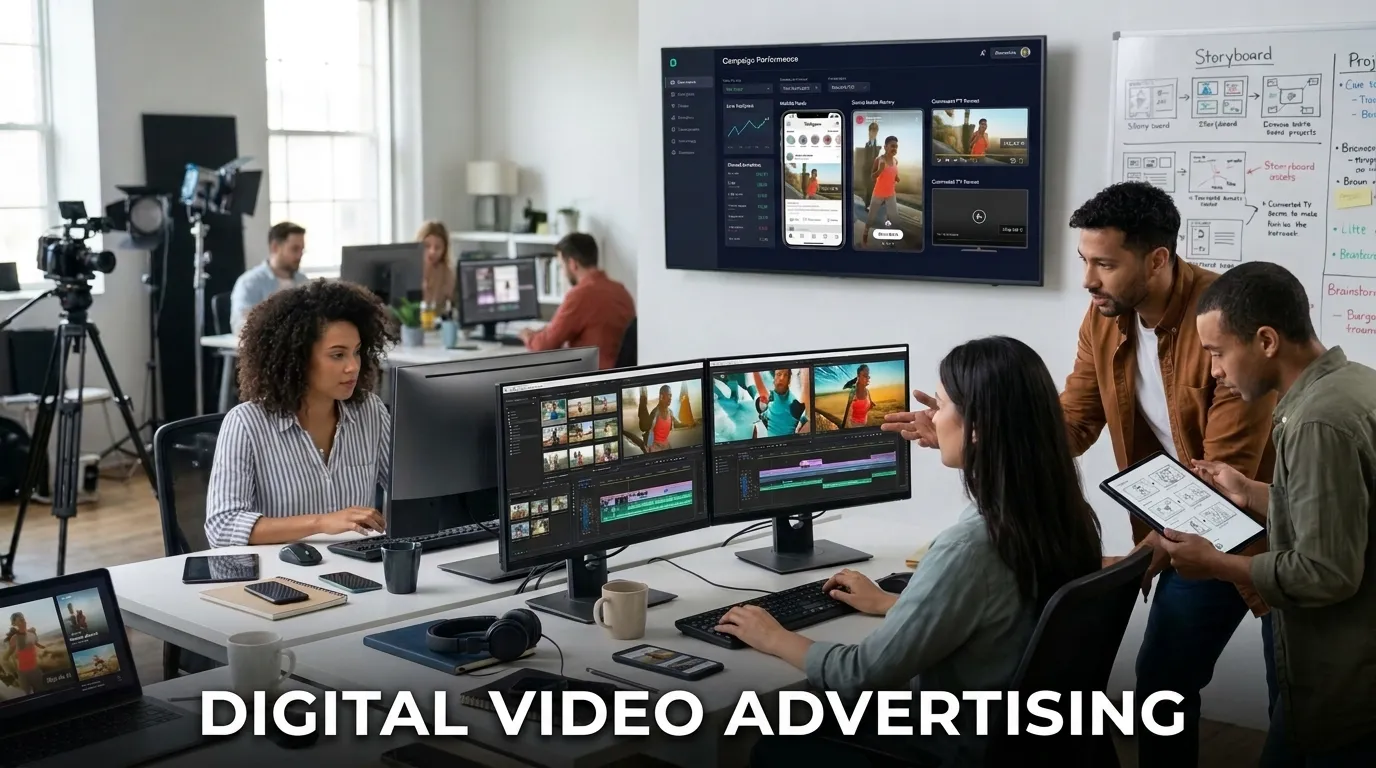 Digital video advertising involves delivering promotional video messages through online platforms and digital channels. Businesses can use paid advertising to reach audiences beyond their existing followers and increase exposure for specific products, services, or campaigns. YouTube advertising is useful for reaching viewers through video placements, while social media advertising allows businesses to promote content within users’ feeds and stories. Website video advertising can also help brands reach relevant visitors through suitable advertising networks.
The success of an advertising campaign depends on selecting the right objective. Awareness campaigns focus on introducing a brand to new audiences, while traffic campaigns encourage users to visit a website. Lead generation campaigns aim to collect customer information, and conversion campaigns focus on encouraging purchases or other valuable actions. Budget management is equally important. Businesses should establish a realistic advertising budget, monitor campaign spending, and compare results against their objectives. Testing multiple versions of an advertisement can help identify which message, visual style, or call to action produces better results.
Analytics should guide advertising decisions. Marketers can review impressions, views, completion rates, click-through rates, conversions, and cost per result to evaluate campaign effectiveness. For more detailed measurement, businesses can explore video marketing analytics tools, data, and how to use them to understand how performance information supports better marketing decisions. In the long term, digital video marketing and paid video advertising work best when they are connected to a broader business strategy. By combining relevant content, targeted distribution, search optimization, and regular performance analysis, businesses can create campaigns that generate meaningful results.
Conclusion
Video has become an important part of modern digital communication, giving businesses new opportunities to attract audiences, explain products, and build stronger customer relationships. From developing a clear strategy to producing valuable content and optimizing advertisements, every part of a campaign contributes to its overall performance. Businesses do not need complicated production processes to begin. They need a clear objective, an understanding of their audience, and a commitment to creating useful content. By combining creativity, consistency, search engine optimization, and performance measurement, companies can use video to strengthen their online presence and support long-term business growth.
FAQ
1. What is digital video marketing?
Digital video marketing is the use of video content across online platforms to promote a business, communicate information, increase brand awareness, and engage potential customers. It includes social media videos, product demonstrations, tutorials, webinars, and paid video advertisements.
2. Why is video marketing important for businesses?
Video marketing is important because it helps businesses communicate complex information, demonstrate products, build customer trust, and increase audience engagement. It also provides opportunities to reach customers across websites, search engines, and social media platforms.
3. Which platforms are best for video marketing?
The best platform depends on the target audience and business objectives. YouTube works well for educational and long-form videos, Instagram and TikTok are useful for short-form content, LinkedIn is suitable for professional audiences, and Facebook can support community engagement and promotional campaigns.
4. How often should a business publish marketing videos?
There is no universal publishing schedule. Businesses should choose a frequency they can maintain consistently without sacrificing content quality. A regular content calendar helps maintain audience interest and supports long-term campaign planning.
5. What types of videos are effective for marketing?
Educational videos, product demonstrations, customer testimonials, tutorials, behind-the-scenes content, live streams, and promotional videos can all be effective. The best format depends on the audience’s needs and the marketing objective.
6. Does video marketing improve SEO?
Video marketing can support SEO by making website content more informative and engaging. Properly optimized video titles, descriptions, transcripts, thumbnails, structured data, and relevant website content can improve discoverability. However, videos do not automatically guarantee higher search rankings.
7. How much does video marketing cost?
The cost varies depending on video length, production quality, equipment, editing, advertising budgets, and distribution channels. Small businesses can start with smartphones and affordable editing tools, while larger campaigns may require professional production teams.
8. How can businesses measure video marketing success?
Businesses can measure success through video views, watch time, audience retention, engagement, click-through rates, website traffic, leads, and conversions. The most important metrics depend on the original campaign objectives.
9. Is short-form video better than long-form video?
Neither format is always better. Short-form videos are useful for quick messages, product highlights, and brand awareness. Long-form videos are better suited to detailed tutorials, webinars, product explanations, and educational discussions. Businesses should select formats according to audience expectations.
10. How can a business create an effective video marketing strategy?
A business should begin by identifying its marketing goals, researching its target audience, selecting suitable platforms, and planning relevant content. It should then publish consistently, optimize videos for search, monitor performance, and improve future campaigns using analytics and audience feedback.