A video content marketing strategy helps businesses attract their target audience, build brand awareness, increase engagement, and generate more conversions through valuable video content. By combining effective content planning, creative production, video SEO, social media promotion, and performance tracking, businesses can make their videos more impactful. This guide explores how to develop a successful video content marketing strategy, follow emerging trends, distribute videos across multiple platforms, and measure results to achieve sustainable marketing growth.
Video Content Marketing Strategy
A video content marketing strategy is a structured approach to creating and distributing videos that support specific business goals. These goals may include increasing brand awareness, educating potential customers, generating leads, improving customer retention, or increasing sales.
The first step is understanding your target audience. Research their interests, challenges, frequently asked questions, and preferred platforms. This information helps you develop relevant video topics instead of producing content based entirely on assumptions. For example, a software company might create tutorials that explain common technical problems, while an online retailer could produce product demonstrations that help customers make informed purchasing decisions.
Setting measurable objectives is equally important. Determine whether your videos should increase website traffic, encourage newsletter subscriptions, generate product inquiries, or improve customer engagement. Your video content marketing strategy should establish clear priorities so that every video has a purpose.
It is also helpful to connect video campaigns with your broader digital marketing activities. Integrating video with email marketing, customer relationship management, and automated follow-ups can create a more consistent customer experience. Businesses can explore how marketing automation and CRM integration supports coordinated campaigns and more effective lead management.
Video Marketing Plan
A video marketing plan turns your overall strategy into an actionable process. It identifies what content you will create, who will produce it, when it will be published, where it will appear, and how its performance will be evaluated.
Start by developing a content calendar that organizes video topics around audience needs, product launches, seasonal opportunities, and industry developments. Planning ahead gives your team enough time to research, write scripts, record footage, edit videos, and prepare promotional materials.
Budgeting is another important consideration. Your expenses may include cameras, lighting, editing software, presenters, freelancers, advertising, and distribution. Small businesses do not necessarily need expensive equipment because clear audio, good lighting, and useful information can make smartphone videos effective.
A practical video content marketing strategy should also establish responsibilities and deadlines. Assign ownership for scripting, production, editing, publishing, and analytics to prevent delays and maintain consistent quality.
Finally, review your plan regularly. Audience interests and platform performance can change, so use campaign results to improve future decisions. A flexible plan allows your business to respond to new opportunities without losing sight of its main objectives.
Video Content Creation
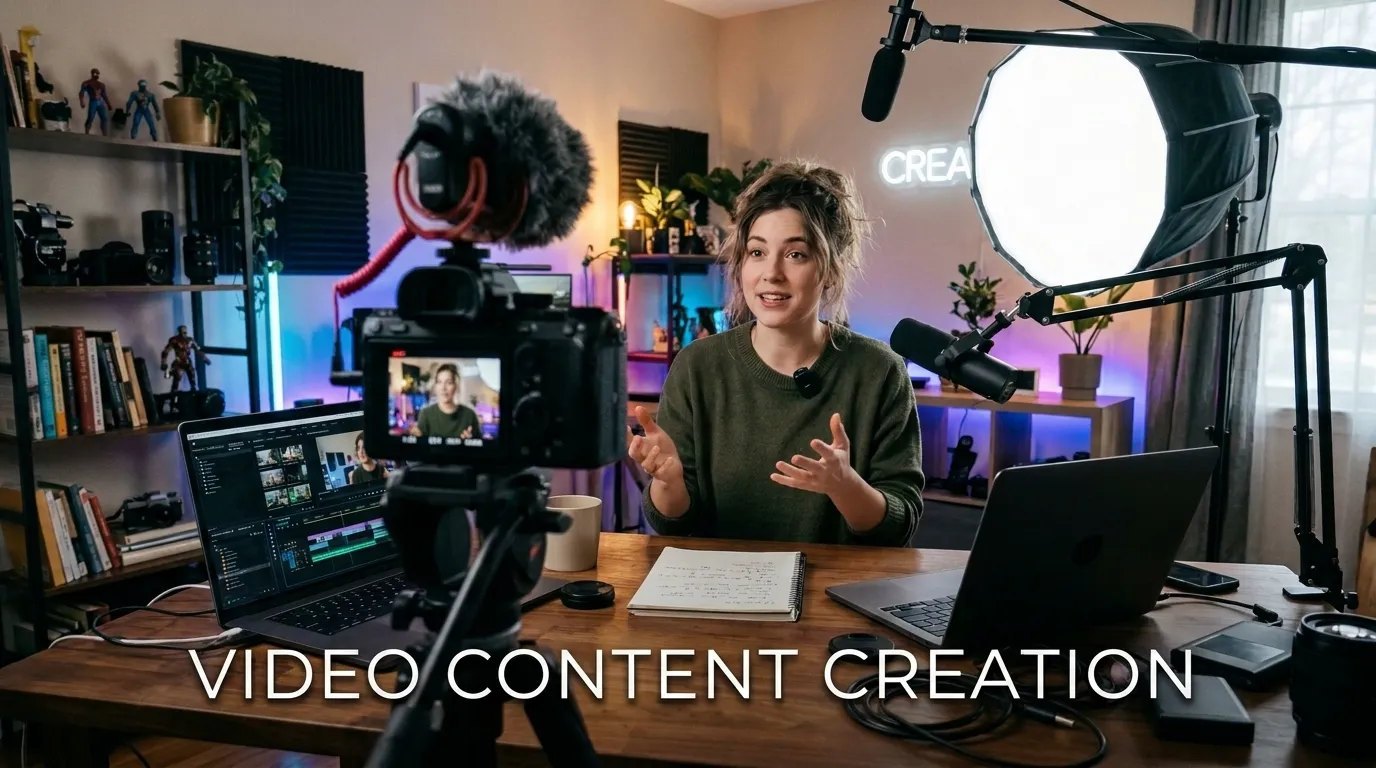 Video content creation involves turning audience insights and marketing objectives into videos that inform, entertain, or persuade viewers. Successful content begins with a clear message and a strong understanding of what the audience wants to learn or accomplish.
Choose formats that suit your objectives. Explainer videos simplify complicated topics, tutorials demonstrate practical solutions, testimonials establish credibility, and product demonstrations show how an offering works. Behind-the-scenes videos can also humanize your brand and help audiences understand the people behind your business.
Storytelling plays a major role in effective production. Introduce a recognizable problem, explain why it matters, and present a useful solution. Capture attention early by communicating the main benefit instead of spending too much time on lengthy introductions. Keep the language conversational and make the message easy to follow.
Before recording, prepare a script or outline, organize the necessary equipment, and check your background and audio quality. During editing, remove unnecessary pauses, add readable captions, and use graphics only when they improve understanding.
An effective video content marketing strategy prioritizes usefulness over production complexity. Rather than making every video look like a television advertisement, focus on delivering relevant information that encourages viewers to watch, remember, and act.
Video SEO Optimization
Video SEO optimization helps search engines and platform algorithms understand your content while making it easier for interested viewers to discover your videos. It is particularly important for businesses that want to attract organic traffic without relying entirely on paid advertising.
Begin with keyword research. Identify the phrases your target audience uses when searching for information related to your products, services, or industry. Incorporate the primary keyword naturally into the video title, description, and surrounding webpage content. Avoid repeating keywords unnaturally because readability and relevance should remain the priority.
Write informative descriptions that explain what viewers will learn. Include relevant supporting terms and a clear next step, such as visiting a related resource or exploring a product. Add accurate captions or transcripts to improve accessibility and help search engines interpret the video’s content.
Thumbnail design also influences performance. Use a clear image, readable text where appropriate, and a visual that accurately represents the video. Misleading thumbnails may attract initial clicks but can disappoint viewers and undermine trust.
A strong video content marketing strategy also considers the technical side of video SEO. Use suitable video formats, ensure pages load efficiently, implement relevant video structured data where appropriate, and create dedicated webpages for important videos when they provide additional value. These practices can improve discoverability, although search rankings are never guaranteed.
Video Marketing Best Practices
Following established best practices helps businesses produce consistent videos that deliver a better viewing experience. The most important principle is to make the content useful for the intended audience rather than focusing exclusively on promoting a product.
Start with one central message for each video. When too many topics compete for attention, viewers may struggle to understand the main point. Keep the structure focused, use straightforward language, and provide examples that demonstrate how the information applies in real situations.
Mobile-friendly production is equally important because many people watch videos on smartphones. Use readable captions, clear visuals, suitable framing, and audio that remains understandable in different environments. Since some viewers watch without sound, ensure that important information is available through captions or on-screen text.
Calls to action should match the video’s purpose. An educational video might invite viewers to read a related guide, while a product demonstration could encourage them to request a consultation or explore product details. Avoid overwhelming viewers with several competing requests.
Consistency is another essential part of a video content marketing strategy. Establish a realistic publishing schedule and maintain a recognizable tone, visual identity, and level of quality. Regularly reviewing audience feedback will help you refine your approach and create content that better meets viewers’ expectations.
Social Media Video Strategy
 Social media provides opportunities to distribute video content, build communities, and reach audiences where they already spend time. However, each platform has different viewing habits, content formats, and audience expectations.
Short-form videos are useful for quick tips, product highlights, demonstrations, and entertaining insights. Longer videos can be more suitable for detailed tutorials, interviews, webinars, and educational discussions. Rather than uploading the same unedited video everywhere, adapt the format, opening, captions, and length to suit each platform.
For example, a long educational video can be divided into several short clips, each addressing one specific question. These clips can attract new viewers and direct interested audiences toward the complete video or a relevant webpage.
Engagement also requires active communication. Respond to meaningful comments, encourage viewers to share their experiences, and use audience questions to identify future topics. Authentic customer stories can be particularly effective because they provide relatable examples of how a product or service solves real problems.
A video content marketing strategy for social media should balance organic publishing with paid promotion when appropriate. Test different creative approaches, audience segments, and calls to action to discover what works best. If your business hosts online presentations, a coordinated webinar marketing goals and strategy can also help connect video promotion with lead generation and audience education.
Video Content Planning
Effective video content planning ensures that every video contributes to a broader marketing objective. Instead of choosing topics randomly, organize your content around audience questions, customer journey stages, and recurring business priorities.
At the awareness stage, focus on educational videos that explain problems and introduce useful ideas. During consideration, create comparisons, expert discussions, case studies, and demonstrations that help potential customers evaluate their options. At the decision stage, use detailed product explanations, customer testimonials, and answers to common objections.
This approach allows your content to support viewers as they move from discovering your brand to considering a purchase. It also reduces the risk of publishing repetitive videos that fail to address different audience needs.
Content repurposing makes planning more efficient. A webinar can become several short videos, a customer interview can provide testimonial clips, and a tutorial can support a blog post or email campaign. Repurposing should preserve the value of the original material while adapting it to each channel.
A well-organized video content marketing strategy includes a review process for checking accuracy, brand consistency, accessibility, and publishing requirements. It should also document topics already covered, upcoming campaigns, and opportunities to update older videos. This makes content production more manageable and helps maintain a consistent publishing schedule.
Video Marketing Trends
Video marketing continues to evolve as audience preferences, technology, and digital platforms change. Businesses can benefit from emerging trends, but they should adopt new approaches when those approaches support their objectives rather than following every popular format.
Short-form video remains a useful way to communicate quick insights and capture attention. Authentic, educational, and behind-the-scenes content can also help brands appear more approachable. Meanwhile, live video and interactive sessions provide opportunities to answer questions and develop stronger relationships with viewers.
Artificial intelligence is influencing video production through tools for transcription, caption generation, editing assistance, translation, and idea development. These tools can reduce repetitive work, although human review remains essential for accuracy, originality, and brand voice.
Personalized video is another developing opportunity. Businesses may tailor video messages to different audience segments, industries, or customer needs. When personalization is relevant and respectful of privacy, it can make communication more useful.
An adaptable video content marketing strategy should treat trends as opportunities to test. Experiment with suitable formats, evaluate audience responses, and invest more heavily in approaches that demonstrate measurable value. Long-term success depends on understanding your audience, not simply copying what is popular.
Video Engagement Strategy
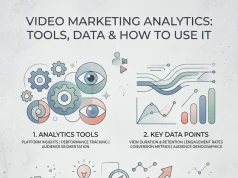
Video engagement measures how audiences interact with your content and whether it holds their attention. Views can indicate reach, but watch time, completion rate, meaningful comments, shares, clicks, and conversions often provide additional insight into performance.
To encourage engagement, create a compelling opening that establishes the viewer’s problem or explains the value of watching. Maintain a logical flow, remove unnecessary repetition, and provide useful examples throughout the video. When appropriate, invite viewers to share their experiences or answer a relevant question.
Engagement should also be evaluated in context. A short awareness video may succeed by reaching new viewers, while a detailed tutorial may be valuable because viewers watch most of it and return to the resource later.
Use analytics to identify where viewers stop watching and which topics attract the most meaningful responses. If a video loses attention early, consider improving its introduction. If viewers watch but rarely click, reassess whether the call to action is relevant and clearly communicated.
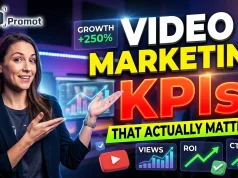
A data-informed video content marketing strategy uses these findings to guide creative improvements instead of making decisions based on assumptions. For a deeper understanding of campaign performance, review video marketing KPIs and the metrics that actually matter to connect engagement data with broader business objectives.
Video Content Distribution
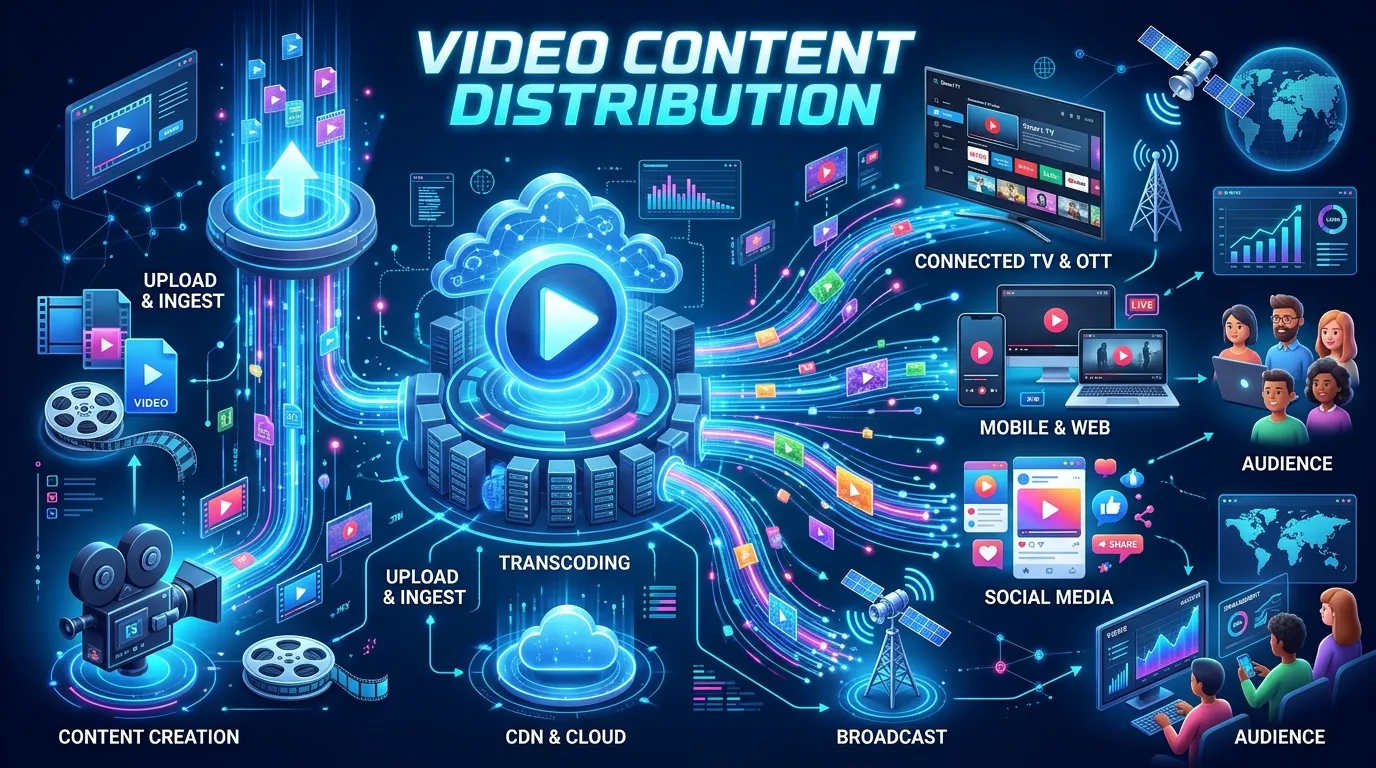 Creating a valuable video is only part of the process. Distribution determines how effectively that content reaches the intended audience. Businesses should select channels according to audience behavior, campaign goals, available resources, and the type of video being published.
YouTube can support searchable educational content, tutorials, and product demonstrations. Social platforms can introduce short clips to new audiences, while email newsletters can deliver relevant videos to existing subscribers. Embedding videos in blog posts and landing pages can also strengthen the connection between video content and website resources.
Paid promotion may help distribute videos to carefully selected audiences when organic reach is insufficient. However, advertising should be supported by clear targeting, suitable creative, and reliable conversion tracking. Review performance regularly to determine whether spending is producing meaningful results.
Distribution can also extend beyond traditional social media. Sales teams may share demonstration videos with prospects, customer support teams may use tutorials to answer common questions, and customer success teams may provide onboarding videos to help users get started.
Customer-generated stories can provide another distribution opportunity. When customers voluntarily share genuine experiences, their content may help introduce your brand to relevant communities. Businesses looking to develop this approach can explore how to build customer advocacy through trust, authentic experiences, and meaningful customer relationships.
The most effective video content marketing strategy combines several complementary channels while measuring their individual contributions. Track referral traffic, engagement, leads, conversions, and other relevant outcomes to identify where future distribution efforts should focus.
Conclusion
A successful video content marketing strategy requires more than producing attractive videos. It depends on understanding your audience, setting measurable objectives, planning relevant topics, creating valuable content, optimizing for discovery, and distributing videos through suitable channels.
FAQ
1. What Is a Video Content Marketing Strategy?
A video content marketing strategy is a plan for creating, optimizing, and distributing videos to achieve marketing objectives such as brand awareness, audience engagement, lead generation, and sales growth.
2. Why Is Video Content Marketing Important?
Video makes information easier to demonstrate and understand. It can help businesses explain products, communicate their expertise, build trust, and engage audiences across multiple digital channels.
3. How Do I Create a Video Marketing Plan?
Begin by defining your audience and goals. Choose relevant topics and formats, establish a production schedule and budget, assign responsibilities, and determine how you will measure results.
4. Which Types of Video Content Work Best?
Tutorials, explainer videos, product demonstrations, customer testimonials, interviews, and short social media clips can all be effective. The best format depends on your audience and marketing objective.
5. How Can I Optimize Videos for SEO?
Research relevant keywords, write descriptive titles and descriptions, add accurate captions, create useful thumbnails, improve webpage performance, and provide relevant supporting content around your videos.
6. How Often Should a Business Publish Videos?
There is no universal publishing frequency. Choose a realistic schedule that your team can maintain without sacrificing quality, then adjust it based on audience engagement and campaign results.
7. Which Platforms Are Best for Video Marketing?
YouTube, Instagram, TikTok, Facebook, LinkedIn, and your own website can all support video marketing. Select platforms based on your target audience, content format, and business goals.
8. How Do You Measure Video Marketing Success?
Measure relevant indicators such as reach, watch time, completion rate, engagement, click-through rate, leads, conversions, and return on investment. Choose metrics that match each video’s purpose.
9. Can Small Businesses Use Video Marketing on a Limited Budget?
Yes. Small businesses can use smartphones, natural lighting, affordable editing tools, and existing content to create useful videos. Clear messaging and audience relevance are often more important than expensive production.
10. How Can I Improve My Video Content Marketing Strategy Over Time?
Review analytics, study audience feedback, test different formats, update older content, and compare results against your objectives. Use these insights to improve future videos and distribution decisions.