Video sharing apps drive modern marketing through short-form content, influencers, live shopping, and shoppable videos. Brands that prioritize authenticity, data-driven optimization, and platform-specific strategies achieve higher engagement, sales, and long-term audience growth.
Video sharing apps have revolutionized how businesses connect with customers, creating unprecedented opportunities for brands to showcase products, build communities, and drive sales. These platforms have transformed from simple entertainment hubs into powerful marketing ecosystems that can make or break a brand’s digital presence.
The explosive growth of video sharing apps has fundamentally changed consumer behavior and expectations. Users now spend hours daily consuming video content, making these platforms essential touchpoints for modern marketing strategies. Understanding how to leverage video sharing apps effectively can help businesses tap into engaged audiences and achieve remarkable growth.
The Rise of Video Sharing Apps in Marketing
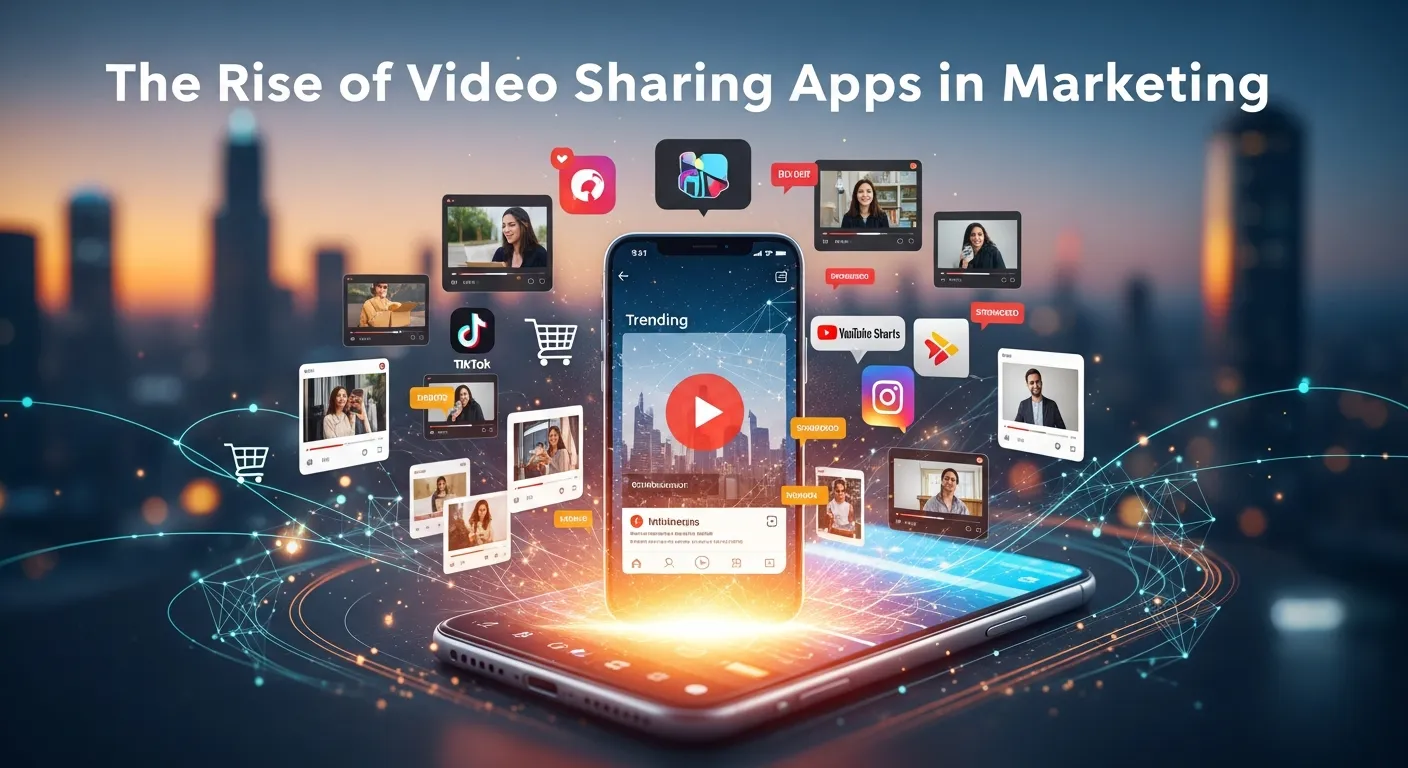
Video sharing apps have evolved far beyond their original entertainment focus to become sophisticated marketing platforms. TikTok, Instagram Reels, YouTube Shorts, and Snapchat have each developed unique features that cater to different audience preferences and marketing objectives. Learn more about Video Content Marketing.
Platform-Specific Audiences and Opportunities
Each video sharing app attracts distinct demographic groups and usage patterns. TikTok dominates among Gen Z users, with its algorithm favoring creative, authentic content that can quickly go viral. Instagram Reels appeals to millennials and Gen Z, integrating seamlessly with the platform’s shopping features and brand-focused ecosystem.
YouTube Shorts leverages the platform’s established creator economy and longer-form content capabilities. Snapchat’s ephemeral nature creates urgency and exclusivity that can drive immediate action from younger audiences.
Understanding these platform-specific characteristics enables marketers to tailor their content strategies for maximum impact. The key lies in creating platform-native content that feels natural to users while achieving marketing objectives.
Algorithm-Driven Content Distribution
Video sharing apps use sophisticated algorithms that determine content visibility and reach. These algorithms prioritize engagement metrics like watch time, likes, comments, shares, and completion rates. Content that generates high engagement receives broader distribution, creating opportunities for organic growth.
Successful marketing on video sharing apps requires understanding how each platform’s algorithm works. TikTok’s “For You” page algorithm favors content that keeps users engaged and watching until the end. Instagram’s algorithm considers factors like relationship strength, content relevance, and recency.
Creating content that aligns with algorithmic preferences while maintaining brand authenticity requires strategic planning and continuous optimization based on performance data.
Short-Form Video Content Strategies
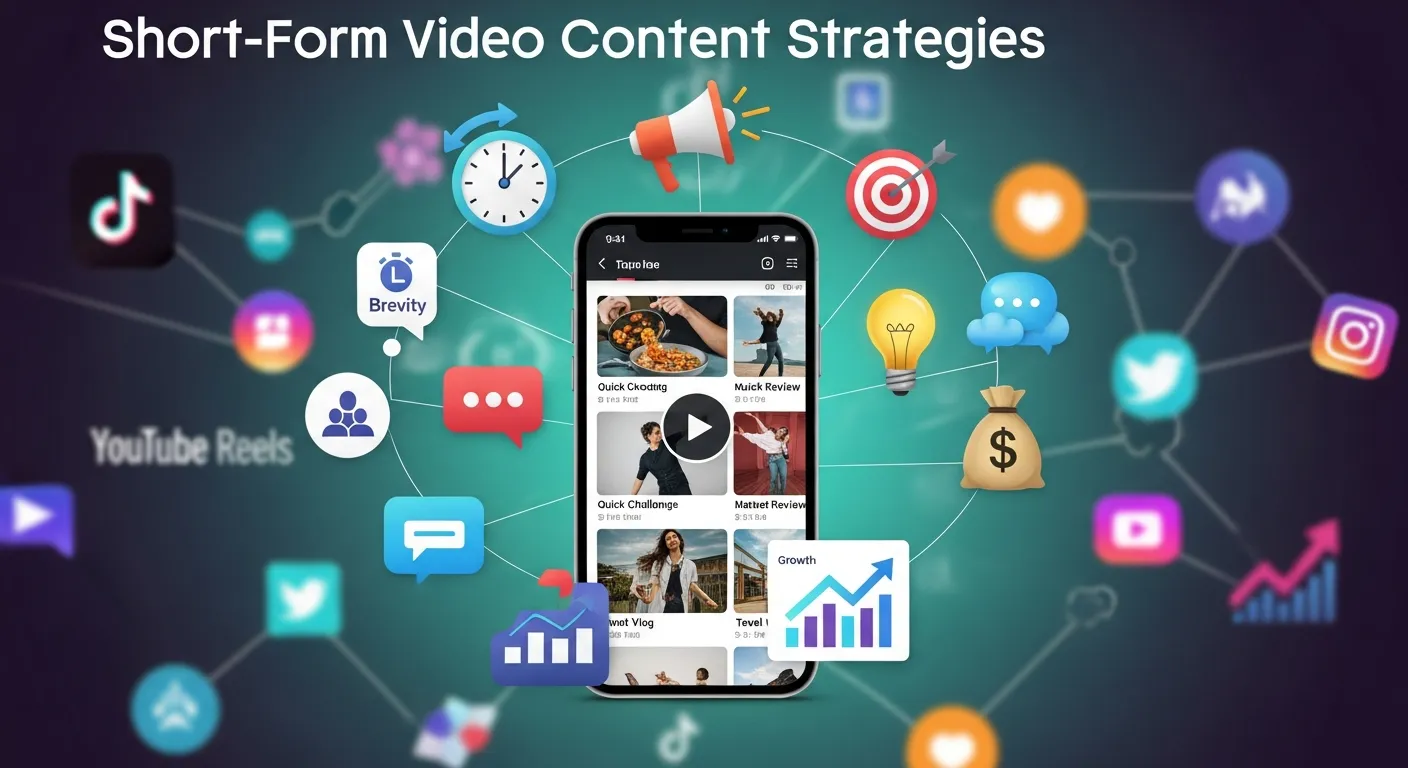
Short-form video content has become the dominant format across video sharing apps, with most platforms favoring videos under 60 seconds. This format requires marketers to distill their messages into compelling, bite-sized pieces that capture attention immediately.
Maximizing Impact in Minimal Time
The first three seconds of any video are crucial for capturing viewer attention. Successful short-form videos use attention-grabbing visuals, compelling hooks, and clear value propositions that encourage viewers to watch until the end.
Effective short-form content focuses on single, powerful ideas rather than trying to cover multiple topics. Whether showcasing a product transformation, sharing behind-the-scenes content, or demonstrating quick tips, the message must be clear and immediately understandable.
Visual storytelling becomes essential when working with limited time constraints. Strong imagery, bold text overlays, and dynamic transitions help communicate messages quickly and memorably.
Creating Authentic, Engaging Content
Authenticity resonates strongly with video sharing app audiences, who can quickly identify and reject overly polished or promotional content. Successful brands embrace imperfection and focus on genuine connections with their audiences.
Behind-the-scenes content, employee spotlights, and customer testimonials perform particularly well because they feel authentic and relatable. These content types build trust and humanize brands in ways that traditional advertising cannot achieve.
User-generated content campaigns encourage customers to create and share videos featuring products or services. This approach generates authentic content while building community engagement and expanding reach through customer networks.
Live Shopping and Interactive Features
Live shopping has emerged as a game-changing trend within video sharing apps, combining the immediacy of live streaming with the convenience of online shopping. This interactive format creates engaging experiences that mirror in-store interactions while reaching global audiences.
Real-Time Engagement and Sales
Live shopping sessions on video sharing apps generate significantly higher engagement rates than pre-recorded content. Viewers can ask questions, request product demonstrations, and receive immediate responses from hosts, creating a sense of personal connection and trust.
The real-time nature of live shopping creates urgency and exclusivity that can drive immediate purchasing decisions. Limited-time offers, exclusive previews, and special deals available only to live viewers incentivize participation and boost conversion rates.
Successful live shopping requires preparation and practice. Hosts must be knowledgeable about products, comfortable on camera, and skilled at managing real-time interactions while maintaining energy and enthusiasm throughout the session.
Building Community Through Shared Experiences
Live shopping transforms solitary online shopping into shared social experiences. Viewers interact not only with hosts but also with each other, creating communities around brands and products.
This community aspect increases customer loyalty and brand affinity. Customers who participate in live shopping sessions often become brand advocates, sharing their experiences and encouraging others to join future sessions.
Regular live shopping events can build anticipation and create recurring touchpoints with customers. Consistent scheduling helps audiences plan their participation and builds habitual engagement with brand content.
Influencer Partnerships and Collaborations

Video sharing apps have created new opportunities for influencer marketing, enabling brands to partner with content creators who have established audiences and credibility within specific niches.
Micro-Influencers and Niche Audiences
Micro-influencers with smaller but highly engaged followings often deliver better results than macro-influencers with millions of followers. These creators typically have stronger relationships with their audiences and can provide more authentic product recommendations.
Niche influencers who focus on specific topics or industries can help brands reach targeted audiences more effectively. A beauty brand might partner with skincare-focused creators, while a fitness company could collaborate with workout influencers.
Long-term partnerships with influencers often yield better results than one-off campaigns. Ongoing collaborations allow influencers to integrate products more naturally into their content and build genuine relationships with brands.
Creative Collaboration Strategies
Successful influencer partnerships on video sharing apps involve creative collaboration rather than strict brand control. Influencers understand their audiences and platform dynamics better than brands, making their creative input valuable.
Providing influencers with creative freedom while establishing clear brand guidelines ensures authentic content that resonates with audiences while maintaining brand consistency. This balance requires trust and open communication between brands and creators.
Co-created content campaigns can generate significant buzz and engagement. When brands and influencers work together to create unique content experiences, the results often exceed the reach and impact of individual efforts.
Shoppable Video Technology
Shoppable video technology within video sharing apps represents the convergence of entertainment and commerce, allowing viewers to purchase products directly from video content without leaving the platform.
Seamless Purchase Integration
Modern video-sharing apps include sophisticated shoppable video features that enable immediate purchases. Instagram Shopping, TikTok Shopping, and YouTube Shopping provide embedded purchase buttons, product information overlays, and streamlined checkout processes.
This seamless integration reduces friction in the buying process and capitalizes on moments of peak interest and engagement. When viewers see products they want, they can purchase them immediately without navigating to external websites.
Shoppable videos can showcase multiple products within a single piece of content, allowing viewers to explore entire product lines or complementary items. This enhanced product discovery increases average order values and introduces customers to products they might not have found otherwise.
Enhanced Product Discovery
Shoppable video technology provides detailed analytics on which products generate the most interest, clicks, and purchases. This data enables brands to optimize product placement, pricing, and presentation based on actual viewer behaviour.
Advanced shoppable video platforms support various purchase options, from one-click buying to wish list additions. This flexibility allows customers to engage with products at their preferred level of commitment while maintaining brand touchpoints for future marketing efforts.
Product tags and information overlays provide additional context without interrupting the viewing experience. Viewers can access detailed product information, reviews, and specifications while continuing to watch video content.
User-Generated Content Campaigns
User-generated content has become a cornerstone of successful video-sharing app strategies, as customers trust peer recommendations more than brand messages. UGC campaigns can generate authentic content while building community engagement around products and brand values.
Authentic Customer Testimonials
Video testimonials from real customers provide authentic social proof that resonates with potential buyers. These testimonials are particularly effective when they show customers using products in real-world scenarios rather than in polished, studio-produced settings.
Encouraging customers to share their experiences through video reviews, unboxing videos, and product demonstrations creates a steady stream of authentic content that can be repurposed across marketing channels.
The key to effective UGC campaigns lies in making participation easy and rewarding. Clear instructions, attractive incentives, and prominent featuring of submitted content encourage more customers to participate.
Community-Driven Content Campaigns
Successful UGC campaigns often involve challenges, contests, or hashtag campaigns that encourage customers to create and share video content. These campaigns can generate significant brand awareness while building community engagement.
Branded hashtag challenges on TikTok have proven particularly effective for generating massive amounts of user-generated content. When challenges go viral, they can reach millions of users and create lasting brand associations.
Contests that reward creativity and authenticity tend to generate higher-quality submissions than those focused solely on promotional messaging. Users are more likely to participate in campaigns that allow them to express their creativity and personalities.
Analytics and Performance Optimization

Video sharing apps provide sophisticated analytics tools that enable brands to track performance, understand audience behavior, and optimize their content strategies based on data-driven insights.
Key Performance Metrics
Video sharing app analytics typically include metrics like views, engagement rates, watch time, completion rates, and audience demographics. Understanding these metrics helps brands evaluate content performance and identify opportunities for improvement.
Engagement rates often matter more than view counts, as they indicate how actively audiences are interacting with content. High engagement rates typically correlate with better algorithmic distribution and increased organic reach.
Watch time and completion rates provide insights into content quality and audience interest. Videos with high completion rates are more likely to be promoted by platform algorithms and reach broader audiences.
Data-Driven Content Strategy
Regular analysis of performance data enables continuous optimization of video sharing app strategies. Brands can identify which content types, posting times, and topics generate the best results with their specific audiences.
A/B testing different video formats, captions, and posting strategies helps refine approaches based on actual performance data rather than assumptions. This iterative approach leads to continuously improving results over time.
Audience insights from video sharing app analytics can inform broader marketing strategies. Understanding which demographics engage most with video content can guide targeting decisions for other marketing channels.
Building Your Video Sharing App Strategy
Creating a successful video sharing app strategy requires understanding your audience, choosing the right platforms, and developing content that resonates with users while achieving business objectives.
Start by identifying which video sharing apps your target audience uses most frequently. Focus your initial efforts on one or two platforms rather than trying to maintain a presence on every available app. This concentrated approach allows you to understand platform dynamics and audience preferences more deeply.
Develop a content calendar that balances promotional content with valuable, entertaining material. The most successful brands on video sharing apps provide consistent value to their audiences while subtly promoting products and services.
Invest in understanding each platform’s unique features and best practices. What works on TikTok may not translate.
NFT Marketing on Video Sharing Apps
Video sharing apps are powerful tools for NFT marketing, enabling creators and projects to educate audiences, build hype, and drive community engagement. Short-form videos can explain NFT utilities, showcase artwork, reveal roadmaps, and highlight creator stories in an accessible way. Platforms like TikTok and Instagram Reels are ideal for teasing NFT drops, behind-the-scenes minting processes, and live countdowns. Live streams allow real-time interaction with collectors, answering questions and reinforcing trust before launches. By combining storytelling, scarcity-driven content, and community participation, video sharing apps help NFT projects attract collectors, grow Discord communities, and increase mint success.
Conclusion
Video sharing apps have become essential marketing channels, blending entertainment, community, and commerce into one powerful ecosystem. From short-form storytelling and influencer partnerships to live shopping and NFT promotions, these platforms offer unmatched opportunities for brands to connect with audiences. Success depends on authenticity, platform-native content, consistent experimentation, and data-driven optimization. By understanding algorithms, leveraging interactive features, and aligning content with audience expectations, businesses can transform video sharing apps into sustainable growth engines.
Frequently Asked Questions (FAQ)
1. What are video-sharing apps?
Video-sharing apps are digital platforms that allow users and brands to create, upload, and distribute short-form or long-form videos. Popular examples include TikTok, Instagram Reels, YouTube Shorts, and Snapchat, each offering unique discovery and engagement features.
2. Why are video-sharing apps important for digital marketing?
These platforms deliver massive reach, high engagement rates, and algorithm-powered content discovery. Videos appear organically in user feeds, helping brands reach new audiences faster than traditional social media formats.
3. Which video-sharing app is best for businesses?
The best platform depends on your target audience. TikTok excels with Gen Z and trend-driven content, Instagram Reels suits lifestyle and eCommerce brands, while YouTube Shorts works well for educational and tutorial-based content.
4. How long should marketing videos be?
Short-form videos under 60 seconds perform best, especially between 7–30 seconds. Shorter videos capture attention quickly and increase completion rates, which algorithms favor.
5. Do video-sharing apps help increase sales?
Yes. Features like shoppable videos, in-app checkout, and live shopping allow users to purchase products instantly, turning engagement into measurable revenue.
6. Is influencer marketing effective on video-sharing apps?
Very effective. Micro-influencers often generate higher engagement and trust because their content feels authentic and closely aligned with their niche audiences.
7. How often should brands post video content?
Consistency is key. Posting 3–5 times per week helps maintain visibility, train platform algorithms, and build audience expectations without sacrificing content quality.
8. What metrics should brands track?
Key metrics include watch time, engagement rate, video completion rate, follower growth, clicks, conversions, and sales attribution from shoppable content.
9. Are paid ads necessary on video sharing apps?
Paid ads are optional but highly effective. They help brands scale reach, test creatives quickly, and amplify top-performing organic videos to targeted audiences.
10. Can small businesses succeed on video-sharing platforms?
Absolutely. Authentic storytelling, behind-the-scenes content, and user-generated videos often outperform polished, high-budget productions—making these platforms ideal for small businesses.
11. Do video-sharing apps support community building?
Yes. Features like comments, duets, live streams, challenges, and user-generated content foster two-way communication and long-term brand loyalty.
12. Are video sharing apps effective for NFT marketing?
Yes. NFT projects use video-sharing apps to educate audiences, promote drops, showcase artwork, host live AMAs, and grow collector communities before and after launches.