Video marketing is evolving rapidly, with short-form, interactive, authentic, and vertical videos dominating audience engagement. AI-powered personalization, educational content, and cross-platform optimization enhance reach and effectiveness. Brands must balance trend adoption with authenticity, monitor performance metrics, and adapt strategies to deliver meaningful, value-driven content that resonates across diverse digital platforms.
Video content has become the dominant force in digital marketing, with businesses scrambling to keep up with evolving viewer preferences and platform algorithms. What worked last year might not capture attention today, making it crucial for marketers to stay ahead of emerging trends that shape how audiences consume and interact with video content.
Short-Form Content Continues to Dominate

The popularity of bite-sized video content shows no signs of slowing down. Platforms like TikTok, Instagram Reels, and YouTube Shorts have fundamentally changed how audiences consume information, with viewers expecting quick, engaging content that delivers value within seconds.
Successful short-form videos focus on a single message or tip, using eye-catching visuals and compelling hooks within the first three seconds. Brands are finding success by repurposing longer content into digestible segments, creating series that encourage viewers to follow for the next installment, and leveraging trending audio or hashtags to increase discoverability.
The key to mastering short-form content lies in understanding each platform’s unique culture and optimization requirements. What performs well on TikTok may need adjustments for Instagram Reels, and successful creators adapt their content accordingly while maintaining brand consistency.
Interactive Video Experiences Drive Engagement
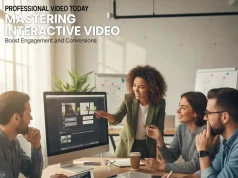
Passive video consumption is evolving into interactive experiences that encourage viewer participation. Features like polls, clickable hotspots, shoppable tags, and choose-your-own-adventure style content are transforming videos from one-way communications into engaging conversations.
Interactive elements not only boost engagement metrics but also provide valuable data about viewer preferences and behavior. Brands can gather insights about which products generate interest, what content resonates most strongly, and how viewers prefer to navigate through information.
Live streaming with real-time interaction capabilities has become particularly powerful for building authentic connections. Q&A sessions, behind-the-scenes content, and product launches conducted live create urgency and exclusivity that pre-recorded content often lacks.
Authentic, User-Generated Content Takes Center Stage
Polished, studio-produced videos are giving way to authentic, relatable content that feels genuine to viewers. User-generated content (UGC) and employee-created videos often outperform expensive productions because they establish trust and credibility through authentic storytelling.
Brands are partnering with micro-influencers and everyday customers to create content that showcases real experiences with products or services. This approach not only reduces production costs but also creates diverse content that appeals to different audience segments.
The trend toward authenticity extends to brand-created content as well. Companies are embracing imperfections, showing behind-the-scenes moments, and highlighting real employees rather than actors to build stronger emotional connections with their audiences.
Vertical Video Optimization Becomes Essential
AI-Powered Video Creation and Personalization

Artificial intelligence is revolutionizing video production and distribution, making sophisticated video marketing accessible to businesses of all sizes. AI tools can generate scripts, create animations, optimize thumbnails, and even produce entire videos from text prompts, significantly reducing production time and resources. With AI, companies can maintain a consistent content pipeline while experimenting with creative formats and styles that might have been too costly or time-consuming using traditional methods.
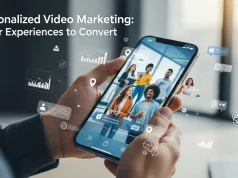
Personalization through AI allows brands to create customized video experiences for different audience segments without exponentially increasing production costs. Dynamic video content can automatically adjust messaging, visuals, or calls-to-action based on viewer demographics, behavior, or preferences. By tailoring videos to individual viewers, brands increase engagement, relevance, and the likelihood of conversions, while also delivering a more satisfying and memorable experience for their audience.
Predictive analytics powered by AI help marketers understand which video content is likely to perform well, optimal posting times, and trending topics relevant to their audience, enabling more strategic content planning and resource allocation. These insights allow marketers to focus efforts on high-performing content, anticipate shifts in audience interest, and make data-driven decisions that maximize ROI. AI also assists in testing variations, optimizing campaigns in real time, and ensuring that video content remains competitive and aligned with audience expectations across platforms.
Educational and How-To Content Maintains Strong Performance
Educational and How-To Content Maintains Strong Performance
Viewers consistently seek content that provides value through education or problem-solving. Tutorial videos, how-to guides, and educational content continue to generate high engagement and establish brands as trusted authorities in their industries. By delivering actionable insights and practical demonstrations, these videos help audiences overcome challenges, learn new skills, and gain confidence in their decisions.
The most effective educational videos break complex topics into digestible segments, use clear visual demonstrations, and provide actionable takeaways that viewers can immediately implement. Step-by-step instructions, real-life examples, and visual cues enhance comprehension, making it easier for audiences to follow along and retain information. This content type performs well across multiple platforms and tends to have longer shelf lives than trend-based content, remaining relevant and valuable for months or even years after publication.
Successful educational video strategies often create series or playlists that guide viewers through comprehensive learning journeys, encouraging repeat viewership and building stronger relationships between brands and their audiences. By structuring content in progressive modules, viewers can advance from beginner to expert-level understanding, fostering loyalty and trust. Additionally, pairing educational videos with downloadable resources, quizzes, or interactive elements further reinforces learning, keeps viewers engaged, and increases the likelihood of social sharing and community growth.
This approach not only positions brands as industry leaders but also drives organic reach, repeat engagement, and deeper audience connection, forming the foundation for long-term marketing success.
Video SEO and Cross-Platform Optimization

Search engine optimization for video content has become increasingly sophisticated, with platforms using advanced algorithms to understand video content and match it with relevant searches. Optimizing video titles, descriptions, and tags for search discovery is now as important as creating compelling content.
Cross-platform distribution strategies require understanding how each platform’s algorithm prioritizes content. What drives visibility on YouTube differs from LinkedIn’s professional network or TikTok’s entertainment-focused algorithm, requiring tailored optimization approaches for maximum reach.
Smart marketers are creating comprehensive video SEO strategies that include keyword research, competitor analysis, and platform-specific optimization techniques to ensure their content reaches intended audiences effectively.
Preparing Your Video Marketing Strategy for Success
The video marketing landscape will continue evolving as platforms introduce new features and audience preferences shift. Staying competitive requires embracing experimentation, monitoring performance metrics closely, and remaining flexible enough to adapt strategies based on results.
Start by auditing your current video content performance across all platforms to identify which trends align with your audience’s preferences. Focus on implementing one or two new approaches rather than attempting to adopt every trend simultaneously.
Remember that successful video marketing balances trend adoption with brand authenticity. The most effective strategies incorporate relevant trends while maintaining consistent brand voice and values that resonate with your specific audience.
Conclusion
Video marketing is evolving rapidly, driven by changing viewer habits, platform innovations, and emerging technologies. Short-form content, interactive experiences, authentic user-generated videos, vertical optimization, AI-driven personalization, and educational content are shaping the future of engagement. To succeed, marketers must balance trend adoption with brand authenticity, tailor strategies for each platform, and continuously monitor performance metrics. By staying flexible, experimenting with new formats, and prioritizing value-driven content, businesses can create impactful video campaigns that build trust, drive engagement, and generate measurable results across the marketing funnel.
FAQ:
1. Why is short-form video important?
Short-form content on platforms like TikTok and Instagram Reels captures attention quickly, delivering value in seconds and increasing engagement through concise, focused messaging.
2. How does interactive video boost engagement?
Polls, clickable hotspots, and shoppable tags encourage participation, creating conversations rather than passive viewing, while providing insights into viewer behavior.
3. What role does user-generated content play?
Authentic content from customers or employees builds trust, credibility, and community engagement while reducing production costs.
4. Why optimize for vertical video?
Mobile-first viewing dominates, and vertical formats ensure better visibility, readability, and engagement on smartphones.
5. How can AI enhance video marketing?
AI generates scripts, animations, and personalized content, enabling targeted messaging and predictive insights without significantly increasing production costs.
6. What types of content perform best long-term?
Educational and how-to videos provide actionable value, build authority, and maintain relevance longer than trend-based content.
7. How do I optimize video for search and platforms?
Use proper titles, descriptions, tags, thumbnails, and platform-specific strategies to improve visibility, cross-platform reach, and discoverability.
8. How should brands adapt to evolving video trends?
Continuously monitor performance, experiment with new formats, and balance trend adoption with brand authenticity for consistent audience engagement.