Video content has become one of the most effective ways for businesses to attract audiences, communicate information, and increase online visibility. However, creating high-quality videos is not enough to achieve better search rankings. Your videos also need a proper optimization strategy to reach the right audience. Video SEO optimization helps improve the visibility of video content across search engines and platforms like YouTube. By using relevant keywords, optimizing metadata, creating engaging content, and applying effective ranking strategies, businesses can attract more viewers and generate valuable organic traffic. This guide explains the essential techniques, tools, and best practices needed to improve video search performance and achieve long-term digital marketing success.
Video SEO Best Practices
Following effective video SEO best practices is essential for improving the visibility and performance of your content. Search engines consider several factors when evaluating videos, including relevance, quality, engagement, accessibility, and the overall user experience. A well-optimized video should provide valuable information while matching the search intent of its target audience. Start by understanding what your audience wants to learn or discover. Create videos that answer common questions, explain complicated topics, demonstrate products, or provide useful solutions. Your video title should clearly communicate its subject and naturally include your primary keyword. Avoid misleading titles because they can damage audience trust and increase viewer drop-off rates.
Video SEO optimization also requires attention to the technical quality of your content. Use a suitable video resolution, clear audio, proper lighting, and an engaging presentation. Your thumbnail should accurately represent the video and encourage viewers to click. Additionally, organize your videos into relevant categories and playlists to make navigation easier. Consistency is another important factor. Publishing useful content regularly helps establish your brand as a reliable source of information. Businesses should also connect video marketing with their broader digital presence. For example, following modern website design trends can help create a better website experience where visitors can easily discover and watch your video content.
Video Search Engine Optimization
Video search engine optimization is the process of improving video content so that search engines can understand, index, and display it for relevant searches. It involves content optimization, technical improvements, structured data, and strategic keyword placement. Google can display video results in different search features, including video search results and relevant search result pages. However, search engines need sufficient information to understand what a video contains. This is why providing descriptive titles, detailed descriptions, relevant transcripts, and accessible video pages is important.
Video SEO optimization should begin with a clear content structure. Every video should have a specific purpose and focus on a topic that your audience is actively searching for. If you publish videos on your website, create dedicated pages with relevant written content, embedded videos, and descriptive headings. This additional context helps search engines understand the relationship between the video and the page. You should also make sure that search engines can access your video content. Use an appropriate video sitemap, provide accurate video information, and avoid technical restrictions that prevent crawling or indexing. These steps can help search engines discover your videos more efficiently. For businesses, search visibility is closely connected to credibility. Building a trustworthy online presence through consistent branding and valuable information can strengthen audience confidence. You can learn more about this relationship in our guide to brand trust and the foundation of long-term business.
YouTube Video SEO Techniques
 YouTube is one of the largest video-sharing platforms, making it an important channel for businesses, creators, educators, and marketers. Ranking videos on YouTube requires an understanding of audience behavior, content relevance, and viewer engagement. Begin by creating a descriptive title that includes your target keyword naturally. Your title should explain what viewers will gain from watching the video. Avoid keyword stuffing because it makes titles look unnatural and can reduce audience interest.
The video description is equally important. Write a meaningful description that explains the subject, includes relevant keywords, and provides additional information about the content. Place the most important information near the beginning because viewers may only see the first few lines before expanding the description. Video SEO optimization on YouTube also involves creating attractive thumbnails. A thumbnail should be visually clear, easy to understand, and relevant to the video’s actual content. Use readable text and consistent visual branding to make your videos recognizable.
Audience retention, watch time, and viewer satisfaction are important performance signals to monitor. Focus on delivering value from the beginning instead of using unnecessarily long introductions. Encourage viewers to explore related videos, subscribe to your channel, and participate in discussions when appropriate. For a deeper understanding of platform-specific marketing, explore our guide on YouTube video marketing strategy. It can help you connect video optimization with a broader strategy for building an audience and promoting your content.
Video Keyword Research
Keyword research is one of the most important stages of a successful video marketing campaign. It helps identify the words and phrases people use when searching for information, tutorials, product demonstrations, and entertainment. Start by identifying your main topic and generating related search terms. Consider the questions your target audience asks and the problems they want to solve. For example, someone searching for video marketing information may use phrases such as video SEO tips, YouTube ranking strategies, video optimization techniques, or how to increase video views.
You can use Google Keyword Planner, Google Trends, YouTube search suggestions, and other keyword research platforms to discover relevant search opportunities. Analyze search intent before selecting a keyword. A person looking for a tutorial expects educational content, while someone searching for a product review may want comparisons and recommendations. Video SEO optimization becomes more effective when keywords are selected based on relevance rather than search volume alone. Highly competitive keywords may be difficult for new channels to rank for. Targeting specific long-tail keywords can help smaller creators reach more relevant audiences. Once you select your primary and secondary keywords, use them naturally in the video title, description, transcript, and relevant website content. Avoid repeating the same phrase excessively. The objective is to create useful content that satisfies search intent rather than simply inserting keywords into every available field.
Optimize Videos for Google Search
Optimizing videos for Google search requires more than uploading content to a video platform. You also need to make your videos accessible, understandable, and properly structured on your website. One effective approach is to create a dedicated webpage for each important video. Include a descriptive page title, relevant headings, an informative introduction, and useful supporting content. The embedded video should be easy to locate and should provide meaningful value to visitors.
Video SEO optimization for Google also involves implementing VideoObject structured data where appropriate. This structured data can provide information such as the video title, description, thumbnail URL, upload date, and duration. Accurate structured data helps Google understand your video, although it does not guarantee special search appearances. You should also consider creating a video sitemap. A video sitemap provides additional information about video content on your website and can help search engines discover videos. Make sure your thumbnail URLs are accessible and that your video pages can be crawled.
Page speed and mobile usability should not be ignored. A slow website can create a frustrating viewing experience, especially for mobile users. Use responsive layouts, properly optimized images, and suitable video embedding methods to improve performance. Businesses that use webinars as part of their marketing strategy can also benefit from these techniques. Our guide to online webinar marketing explains how webinars can support audience engagement, lead generation, and online brand visibility.
Video Metadata Optimization
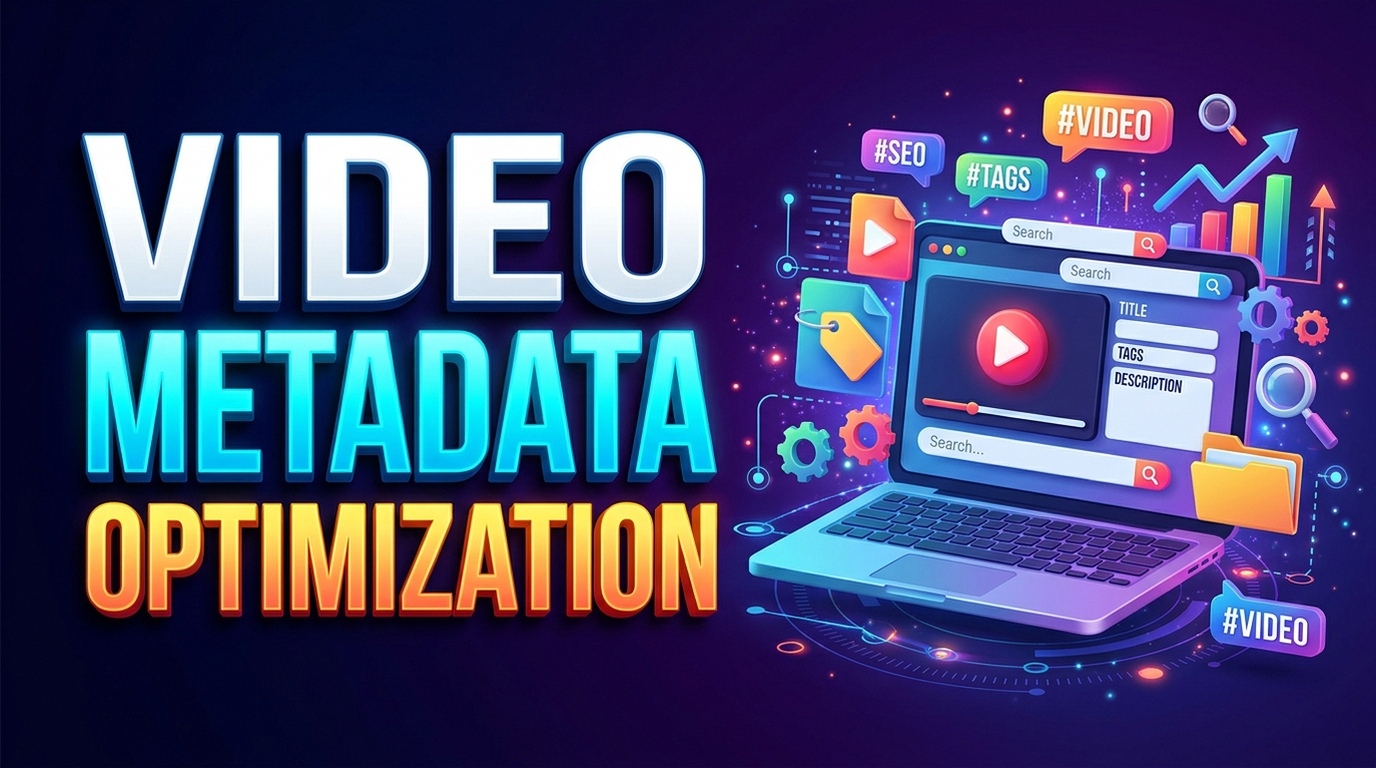 Metadata provides search engines and viewers with important information about your video. It includes elements such as titles, descriptions, thumbnails, captions, tags, and other relevant details. A strong video title should be clear, descriptive, and relevant to the content. Include your main keyword naturally without making the title difficult to read. Keep it informative so viewers can immediately understand what the video offers.
The description should provide additional context. Explain the topic, summarize the main information, and include relevant links where necessary. If the video is part of a series, you can also link to related videos or useful resources. Video SEO optimization depends heavily on accurate metadata because it helps establish the relationship between your content and relevant search queries. However, metadata alone cannot compensate for poor-quality videos. The actual content must deliver what the title and description promise.
Thumbnails are another important metadata-related element. Use high-quality images that represent the video accurately. Captions and transcripts can improve accessibility and help viewers understand the content, especially when they are watching without sound. Tags can help provide additional context on some platforms, but they should not be treated as the primary ranking factor. Focus more on meaningful titles, detailed descriptions, relevant content, and audience satisfaction.
Video Ranking Strategies
Improving video rankings requires a combination of content quality, relevance, technical optimization, and audience engagement. There is no guaranteed shortcut to achieving top positions because search engines and video platforms use multiple systems to determine which content should appear for different queries. Start by understanding your competitors. Review videos that already perform well for your target keywords. Examine their topics, presentation styles, content structure, and audience engagement. Identify opportunities to provide more detailed, updated, or useful information.
Video SEO optimization should also focus on viewer retention. If people leave your video shortly after starting it, they may not be finding the expected value. Create an engaging opening, organize your information logically, and remove unnecessary sections that interrupt the viewing experience. Promotion can also help your videos reach relevant audiences. Share your content through email newsletters, social media channels, blog posts, and relevant online communities. Encourage genuine discussion and make it easy for viewers to find related content. Another important strategy is building brand awareness. When people consistently recognize and trust your business, they may be more likely to engage with your videos and explore your other resources. Social listening and reputation management can support this process. Our article on social media brand monitoring explains how businesses can monitor online conversations and better understand audience perceptions.
Video SEO Tools
Using the right tools can make video optimization easier, more efficient, and more measurable. These platforms help marketers discover keywords, analyze performance, identify technical issues, and understand audience behavior. Google Search Console is useful for monitoring website search performance and identifying indexing-related issues. It can help you understand how your video landing pages perform in Google search. Google Analytics can provide additional insights into website traffic, user engagement, and conversions associated with video content.
YouTube Studio is an essential platform for channel owners. It provides information about views, impressions, click-through rates, watch time, audience retention, and traffic sources. These insights can help you understand which videos attract viewers and where improvements are needed. Other useful platforms include Google Trends for identifying changing search interests, Google Keyword Planner for discovering keyword opportunities, and tools such as Semrush and Ahrefs for broader keyword and competitor research.
Video SEO optimization becomes easier when you combine these tools instead of relying on a single platform. Use keyword research tools before production, analytics tools after publishing, and technical SEO tools to maintain website performance. Remember that tools provide information, but successful optimization still depends on your ability to interpret that information and create valuable content. Choose tools based on your business goals, available budget, and the type of videos you publish.
Improve Video Search Visibility
Improving video search visibility requires a consistent approach to publishing, optimization, and promotion. Even well-produced videos may struggle to attract viewers if they are difficult to discover or do not match audience interests. Begin by choosing topics that are relevant to your industry and target audience. Research popular questions, trending subjects, and common customer challenges. Create content that answers these questions in a clear and useful way.
Video SEO optimization can also improve visibility when you repurpose content across multiple platforms. For example, a long educational video can be transformed into shorter clips, social media posts, or a supporting blog article. This allows your message to reach different audience segments. Accessibility is another important consideration. Add accurate captions, provide transcripts when appropriate, and make sure your videos work properly across different devices. These improvements create a more inclusive experience for viewers.
You should also build internal connections between related pages and videos on your website. Linking relevant articles, tutorials, and video resources helps visitors discover more information while creating a clearer content structure. Monitor your results regularly. Review impressions, click-through rates, search traffic, engagement, and conversions. If a video receives impressions but few clicks, consider improving its title and thumbnail. If viewers leave quickly, review the opening and overall content structure.
Video Content Optimization
 Video content optimization focuses on making videos more useful, engaging, accessible, and relevant to the intended audience. While technical SEO helps search engines understand your videos, content quality determines whether viewers find them valuable. Before recording, prepare a clear script or outline. Organize your information into a logical sequence and make sure every section contributes to the main topic. Avoid unnecessary explanations that make the video longer without adding meaningful value.
Video SEO optimization should also consider the format and presentation of your content. Tutorials, interviews, product demonstrations, educational videos, and customer testimonials all serve different purposes. Choose a format that matches your audience’s expectations and the information you want to communicate. Good storytelling can make educational content more engaging. Use real examples, demonstrations, and practical explanations to help viewers understand complicated ideas. Maintain clear audio and visual quality, and use graphics or screen recordings when they make the information easier to follow.
After publishing, evaluate how your audience responds. Identify sections where viewers lose interest and consider what could be improved in future videos. Update outdated information when necessary and replace broken links or inaccurate descriptions. Most importantly, create videos with a clear objective. Whether you want to increase brand awareness, generate leads, educate customers, or support sales, your content should provide genuine value. A consistent focus on quality and audience needs can help your video marketing efforts deliver sustainable results.
Conclusion
Video marketing offers businesses an effective opportunity to reach audiences, communicate their expertise, and strengthen their online presence. However, achieving meaningful results requires more than simply publishing videos. You need a complete strategy that combines keyword research, engaging content, optimized metadata, technical improvements, and regular performance analysis. Video SEO optimization is an ongoing process that requires patience and consistency. By following the best practices discussed in this guide, businesses can improve video discoverability, create a better viewing experience, and attract more relevant organic traffic. Focus on understanding your audience, producing valuable videos, and making continuous improvements based on performance data. With the right approach, video content can become a valuable part of your long-term digital marketing strategy.
FAQ
1. What is video SEO optimization?
Video SEO optimization is the process of improving video content so that it can be discovered more easily through search engines and video platforms. It involves optimizing titles, descriptions, keywords, thumbnails, transcripts, structured data, and overall content quality to improve search visibility and audience engagement.
2. Why is video SEO important for businesses?
Video SEO is important because it helps businesses reach people who are actively searching for relevant information, products, or services. Optimized videos can increase online visibility, attract organic traffic, build brand awareness, and support lead generation and customer engagement.
3. How do I rank my YouTube videos higher?
To improve YouTube rankings, research relevant keywords, create descriptive titles, write informative descriptions, design attractive thumbnails, and publish valuable content. You should also monitor audience retention, watch time, and viewer engagement to understand how people respond to your videos.
4. Which keywords should I use for video SEO?
Choose keywords that match your video topic and audience search intent. Use keyword research platforms, YouTube search suggestions, Google Trends, and competitor analysis to identify relevant search terms. Long-tail keywords can be particularly useful for reaching specific audiences.
5. How can I optimize videos for Google search?
Create dedicated video webpages, use descriptive titles and descriptions, add relevant supporting text, implement VideoObject structured data, and provide accessible thumbnails. You can also use a video sitemap to help Google discover your video content.
6. Does video metadata affect search rankings?
Yes, metadata helps search engines and video platforms understand the subject of your content. Relevant titles, descriptions, thumbnails, captions, and other information can improve content discovery. However, metadata should always accurately represent the actual video.
7. What are the best tools for video SEO?
Some useful tools include Google Search Console, Google Analytics, YouTube Studio, Google Trends, Google Keyword Planner, Semrush, and Ahrefs. These tools help with keyword research, technical analysis, competitor research, and performance tracking.
8. How often should I publish videos for better SEO?
There is no universal publishing frequency that guarantees better rankings. Choose a realistic schedule that allows you to maintain consistent quality. Publishing useful videos regularly is generally more valuable than uploading large amounts of low-quality content.
9. Do video transcripts help with SEO?
Yes, transcripts can improve accessibility and provide additional context about your video content. They allow viewers to read the spoken information and can help search engines better understand the subject when the transcript is available as crawlable page content.
10. How long does it take to see results from video SEO?
The time required to see results depends on competition, content quality, audience demand, platform authority, and optimization efforts. Some videos may receive visibility relatively quickly, while others require several weeks or months to build consistent traffic. Regularly reviewing performance and improving your strategy can support long-term results.