Video shopping platforms turn live or interactive video into instant storefronts. They deepen engagement, personalize discovery, and drive sales for retail, creator, and NFT projects—making them a must‑use tool for modern commerce and digital communities.
Shopping has evolved dramatically over the past decade. What started as static product pages with basic images has transformed into an interactive, multimedia experience that mirrors the excitement of in-store browsing. Video shopping platforms represent the next frontier in this evolution, combining the convenience of online shopping with the engagement of live video content.
These platforms allow businesses to showcase their products through live streams, pre-recorded videos, and interactive demonstrations. Customers can watch, ask questions, and make purchases directly within the video interface. This approach bridges the gap between traditional e-commerce and the personal touch of brick-and-mortar retail.
What Are Video Shopping Platforms?
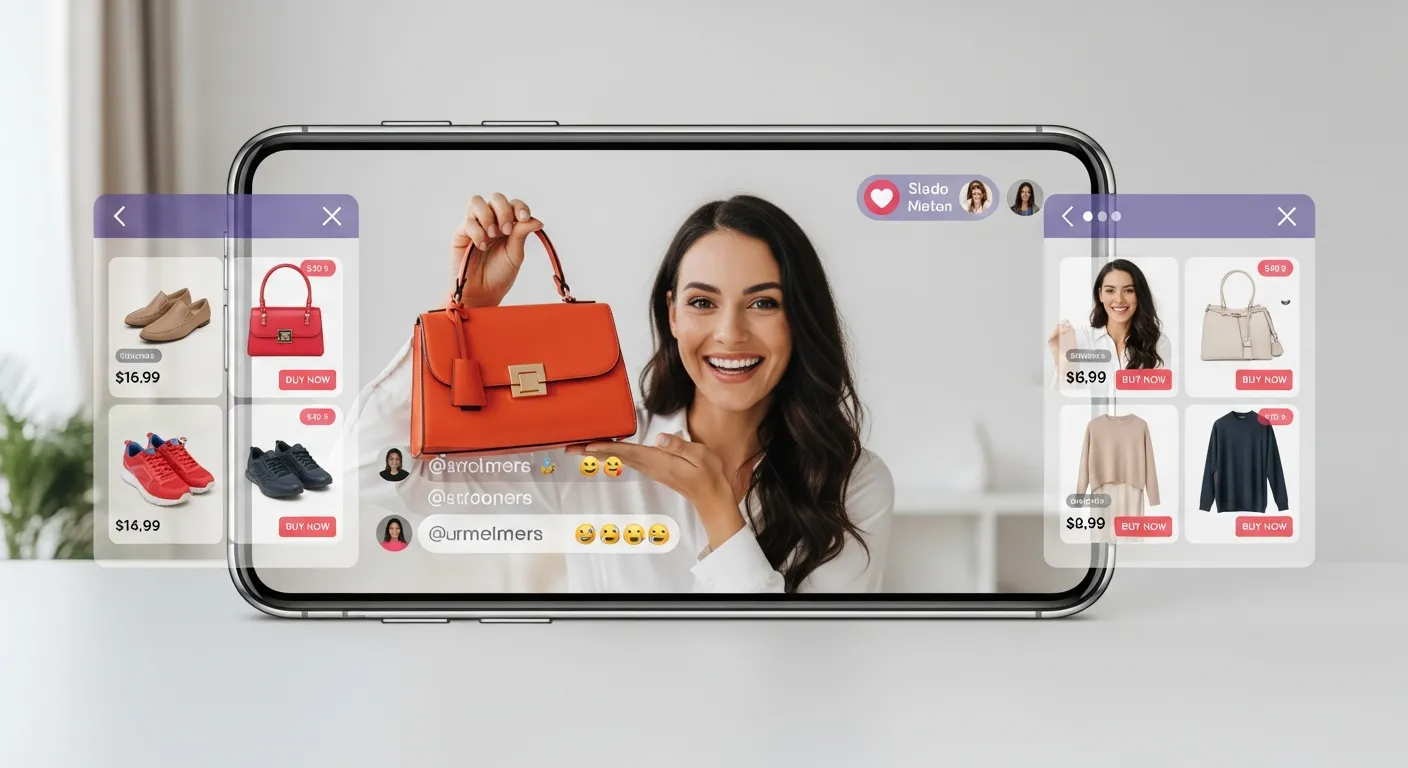
Video shopping platforms are digital tools that integrate video content with e-commerce functionality. They enable retailers to create immersive shopping experiences through live streaming, product demonstrations, and interactive video content. Customers can watch these videos and purchase featured products without leaving the video interface.
Unlike traditional e-commerce sites that rely on static images and text descriptions, video shopping platforms bring products to life. They allow customers to see items in action, understand their features better, and make more informed purchasing decisions.
Key Features of Video Shopping Platforms
Modern video shopping platforms offer several essential features:
Live Streaming Capabilities: Real-time video broadcasts where hosts can demonstrate products, answer questions, and interact with viewers directly.
Interactive Product Showcases: Clickable elements within videos that display product information, pricing, and purchase options.
Chat and Q&A Functions: Built-in communication tools that allow viewers to ask questions and receive immediate responses.
Mobile Optimization: Seamless experiences across smartphones and tablets, recognizing that many users shop on mobile devices.
Analytics and Insights: Detailed metrics on viewer engagement, conversion rates, and sales performance.
Benefits for Retailers
Video shopping platforms offer numerous advantages for businesses looking to enhance their online presence and drive sales.
Enhanced Customer Engagement
Video content naturally captures attention better than static images. When customers can see products in action, they’re more likely to stay engaged and watch the entire presentation. This increased engagement often translates to higher conversion rates and reduced return rates.
Personal Connection with Customers
Live video shopping creates a personal connection between brands and customers. Hosts can address viewers by name, answer specific questions, and provide personalized recommendations. This human touch builds trust and loyalty in ways that traditional e-commerce cannot match.
Improved Product Understanding
Video demonstrations help customers understand products better than photos and descriptions alone. They can see how items look, move, and function in real-world scenarios. This deeper understanding leads to more confident purchasing decisions and fewer returns.
Real-Time Feedback and Adaptation
During live shopping sessions, retailers can gauge audience reaction instantly. If viewers seem confused about a feature, hosts can provide additional explanation. If certain products generate more interest, they can adjust their presentation accordingly.
Benefits for Customers
Video shopping platforms also provide significant advantages for consumers, making the shopping experience more enjoyable and informative.
Interactive Shopping Experience
Customers can participate actively in the shopping process by asking questions, requesting specific product demonstrations, and interacting with hosts and other viewers. This interactivity makes shopping more engaging and social.
Authentic Product Demonstrations
Video allows customers to see products in action before making a purchase. They can observe how clothing fits and moves, how makeup looks on different skin tones, or how electronics function in real-world conditions.
Immediate Question Resolution
Instead of waiting for customer service responses or searching through FAQ sections, customers can get immediate answers to their questions during live shopping sessions.
Exclusive Deals and Offers
Many video shopping platforms feature special promotions and limited-time offers available only to viewers. These exclusive deals create urgency and provide added value for participating customers.
Popular Video Shopping Platforms

Several platforms have emerged as leaders in the video shopping space, each offering unique features and targeting different market segments.
Social Commerce Platforms
Major social media platforms have integrated shopping features into their video content. Instagram Live Shopping, Facebook Live Shopping, and TikTok Shopping allow businesses to sell directly through their social media presence.
Dedicated Video Shopping Solutions
Specialized platforms like Bambuser, Livescale, and Firework focus exclusively on video shopping experiences. These platforms offer advanced features like multi-camera setups, professional streaming tools, and comprehensive analytics.
Marketplace Integration
Some platforms integrate with existing e-commerce marketplaces, allowing sellers to add video shopping capabilities to their current storefronts without completely changing their setup.
Implementation Strategies
Successfully implementing video shopping requires careful planning and execution. Retailers should consider several key factors when launching their video shopping initiatives.
Content Planning and Production
Successful video shopping requires high-quality content that entertains while informing. Retailers should develop content calendars, plan product demonstrations, and prepare engaging presentations that showcase their products effectively.
Technical Setup
Proper technical infrastructure is crucial for smooth video shopping experiences. This includes reliable internet connections, quality cameras and microphones, good lighting, and backup systems in case of technical difficulties.
Host Training
The success of video shopping often depends on the quality of the host. Effective hosts should be knowledgeable about products, comfortable on camera, and skilled at engaging with audiences while managing the technical aspects of the platform.
Integration with Existing Systems
Video shopping platforms should integrate seamlessly with existing inventory management, customer relationship management, and order fulfillment systems to ensure smooth operations.
Challenges and Considerations
While video shopping platforms offer many benefits, they also present certain challenges that retailers must address.
Technical Complexity
Managing live video streams, handling real-time interactions, and ensuring smooth checkout processes require technical expertise that some retailers may lack.
Resource Requirements
Video shopping requires significant time and human resources. Retailers need dedicated staff to plan content, manage live streams, and handle customer interactions.
Quality Control
Live video leaves little room for error. Technical glitches, poor lighting, or unprepared hosts can negatively impact the shopping experience and brand perception.
Measurement and ROI
Determining the return on investment for video shopping initiatives can be challenging. Retailers need to establish clear metrics and tracking systems to measure success.
Future Trends and Innovations
The video shopping landscape continues to evolve, with new technologies and trends shaping its future development.
Artificial Intelligence Integration
AI-powered features like automated product recommendations, chatbots for customer service, and predictive analytics for inventory management are becoming increasingly common in video shopping platforms.
Virtual and Augmented Reality
VR and AR technologies are beginning to integrate with video shopping platforms, allowing customers to virtually try on products or see how items would look in their homes.
Personalization
Advanced algorithms are enabling more personalized video shopping experiences, with content tailored to individual customer preferences and purchase history.
Global Expansion
Video shopping platforms are expanding internationally, adapting to different markets, languages, and cultural preferences while maintaining their core functionality.
Revitalizing Rural and Underserved Regions
Targeted incentives are especially powerful in economically distressed or rural areas. These regions often face limited job opportunities and population decline. Incentives such as land grants, tax reductions, and infrastructure support attract businesses willing to operate outside urban centers. This decentralizes economic growth and reduces regional inequality. When paired with broadband expansion and transportation improvements, incentives transform rural labor markets by connecting local workers to national and global economies.
Infrastructure Investment and Job Accessibility
Infrastructure incentives improve labor market efficiency by enhancing accessibility and connectivity. Investments in roads, utilities, ports, and digital infrastructure make it easier for businesses to operate and expand hiring. Infrastructure projects also generate construction and engineering jobs during development phases. Long-term benefits include reduced commute times, increased employer diversity, and greater workforce participation. Strong infrastructure ensures incentive-driven growth remains scalable and inclusive.
Accountability and Performance-Based Incentives
Without oversight, incentives risk becoming ineffective or wasteful. Performance-based incentives address this issue by linking benefits to verified outcomes such as job creation, wage levels, and capital investment. Clawback provisions protect public funds if businesses fail to meet commitments. Transparency and accountability ensure incentives strengthen labor markets rather than burden taxpayers. Effective governance transforms incentives into measurable economic tools rather than speculative spending.
Long-Term Labor Market Sustainability
Sustainable incentives prioritize long-term labor market health over short-term gains. Programs that support innovation, research, and workforce retention create enduring employment ecosystems. Short-lived incentives may temporarily boost hiring but leave regions vulnerable once funding ends. Long-term success requires embedding businesses into local economies through supplier networks, education partnerships, and community engagement. Stability and resilience define effective incentive strategies.
Supporting Small Businesses and Entrepreneurs
While large corporations often receive attention, small businesses and startups are essential to labor market diversity. Inclusive incentive programs offer grants, tax credits, and incubator support to local entrepreneurs. These businesses generate innovation, reduce reliance on single employers, and create varied employment opportunities. Supporting startups ensures balanced economic growth and strengthens community-based labor markets.
Making Video Shopping Work for Your Business
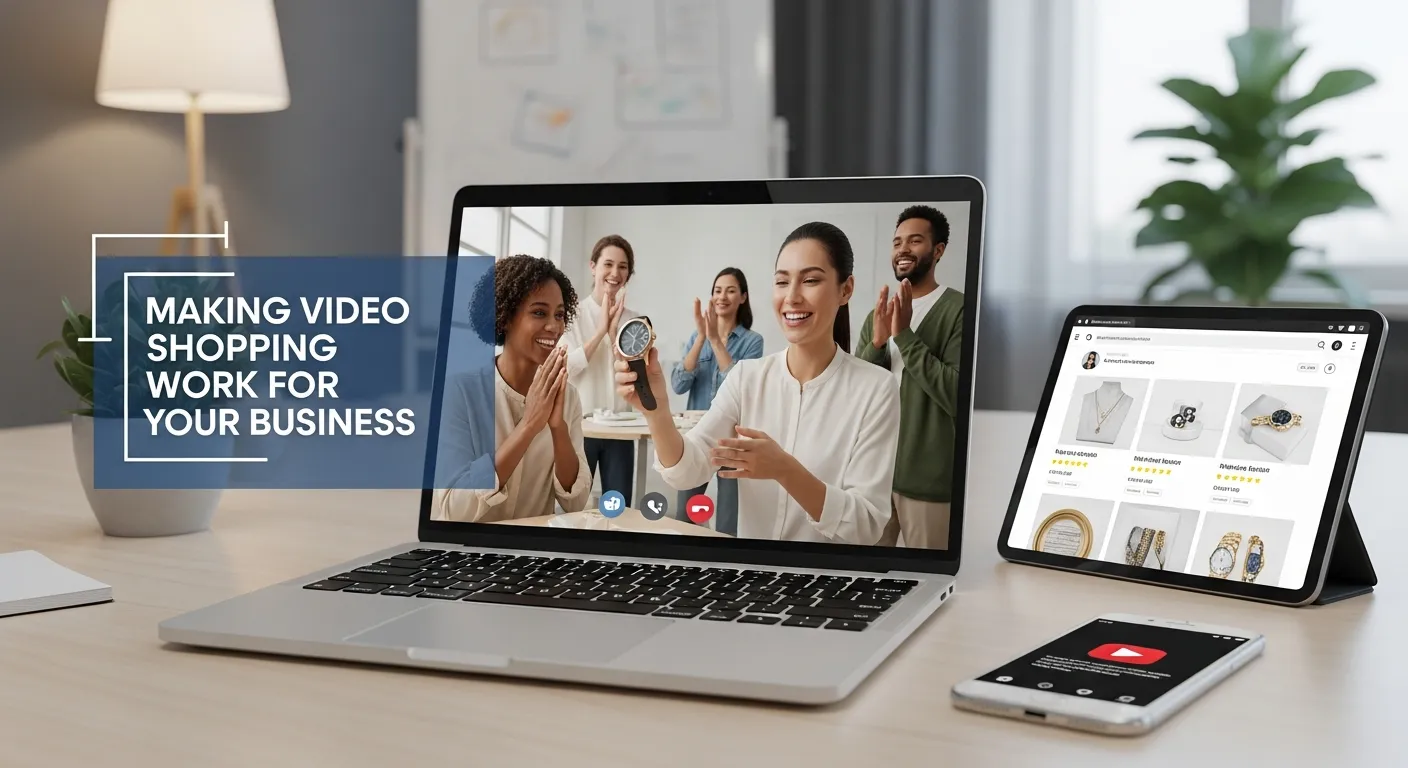
Video shopping platforms represent a significant opportunity for retailers to differentiate themselves in an increasingly competitive e-commerce landscape. Success requires careful planning, adequate resources, and a commitment to providing value to customers through engaging, informative content.
Start by identifying your target audience and understanding their preferences. Choose a platform that aligns with your technical capabilities and budget constraints. Invest in quality equipment and training for your team. Most importantly, focus on creating authentic, valuable experiences that help customers make informed purchasing decisions.
The future of e-commerce lies in creating more engaging, interactive, and personal shopping experiences. Video shopping platforms provide the tools to achieve these goals while building stronger relationships with customers and driving business growth.
Conclusion
Video shopping platforms fuse entertainment with seamless buying, giving brands, creators, and NFT projects a modern, high‑impact channel to educate, engage, and convert—without the friction of traditional e‑commerce.
Frequently Asked Questions (FAQs)
1. What are video shopping platforms?
Video shopping platforms combine live or recorded video with built-in e-commerce features. Viewers can watch product demos, interact with hosts, ask questions, and complete purchases without leaving the video interface, creating a seamless shopping journey.
2. Why are video shopping platforms important for retailers?
They increase engagement, improve product understanding, and add a human touch to online shopping. Retailers often see higher conversion rates, longer session times, and stronger customer trust compared to static product pages.
3. Do viewers actually interact during live video shopping sessions?
Yes. Features like live chat, Q&A, polls, and clickable product cards encourage real-time participation, making shoppers feel involved and more confident about buying decisions.
4. Can small or emerging brands use video shopping effectively?
Absolutely. Many platforms scale easily, allowing small teams to start with simple live streams and grow into larger, more advanced shopping events as demand increases.
5. What equipment is required to get started?
Basic needs include a stable internet connection, a good camera or smartphone, clear audio, proper lighting, and a simple backup plan. Professional setups can be added later.
6. How do brands measure return on investment (ROI)?
ROI is measured through metrics such as viewer count, engagement rate, product clicks, conversions, average order value, and repeat purchases following live sessions.
7. Do video shopping platforms integrate with existing e-commerce stores?
Most platforms integrate smoothly with inventory systems, CMS tools, and order management software, ensuring accurate stock levels and efficient fulfillment.
8. Are there technical challenges involved?
Live streaming requires planning and testing. Potential issues include connectivity problems or checkout glitches, but rehearsals and platform support significantly reduce risks.
9. What future features will shape video shopping?
AI-driven recommendations, AR/VR try-ons, deeper personalization, and advanced creator-commerce tools are expected to define the next generation of video shopping experiences.
10. Do content creators benefit from video shopping platforms?
Yes. Creators can monetize directly, launch exclusive product drops, and build loyal communities while offering authentic, trust-driven shopping experiences.
11. How does influencer marketing connect to video shopping?
Influencers play a major role by hosting live sessions, reviewing products, and driving social commerce, blending entertainment with direct purchasing opportunities.
12. Can video shopping platforms support NFT marketing?
Definitely. Video shopping is ideal for NFT education, live drop reveals, artist storytelling, and onboarding collectors—turning viewers into engaged buyers and community members.