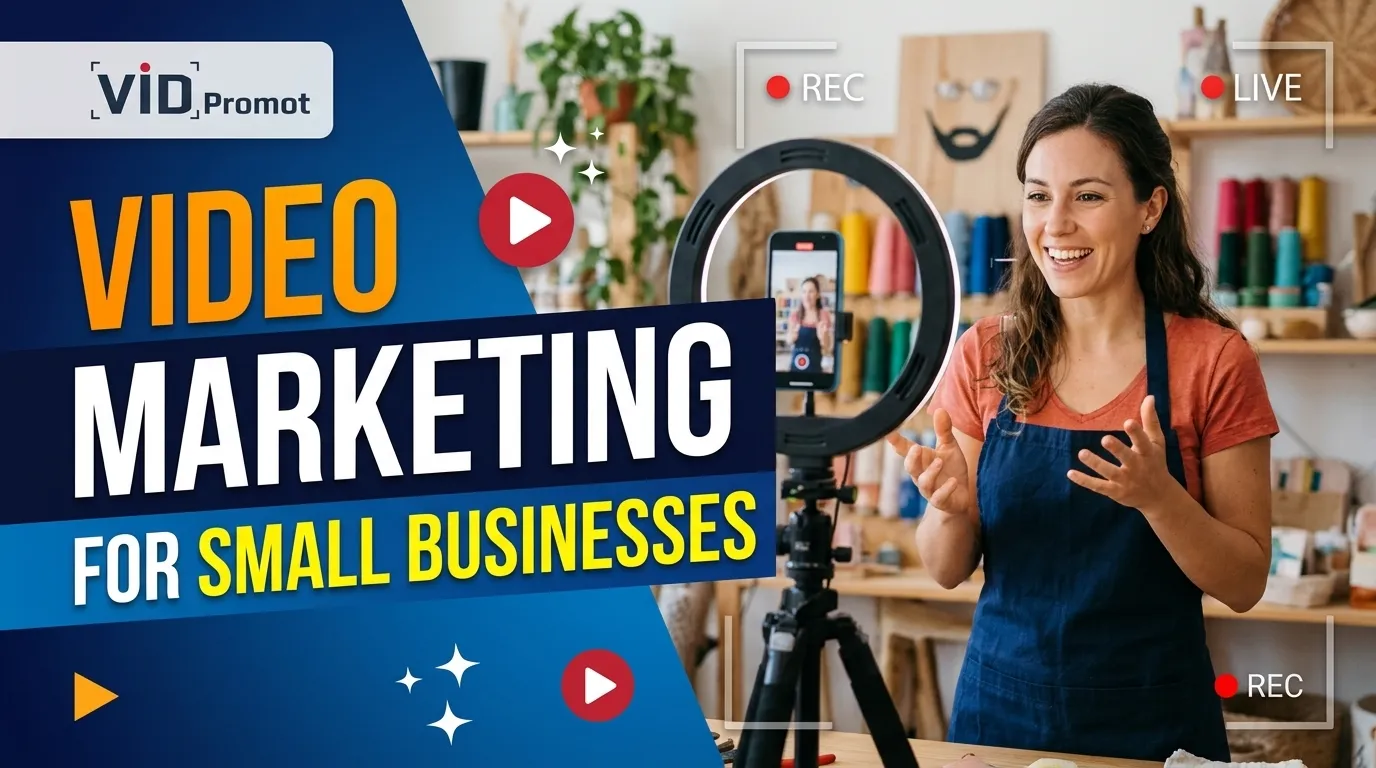
Video marketing has become one of the most effective ways for small businesses to connect with their audiences, build brand awareness, and increase sales. With the growing popularity of social media platforms and online video consumption, businesses no longer need expensive equipment or large marketing budgets to create engaging video content. Video marketing for small businesses provides an affordable opportunity to showcase products, explain services, share customer experiences, and build lasting relationships with potential customers.
Whether you run a local shop, an online store, a startup, or a service-based company, using videos in your marketing strategy can help you stand out in a competitive market. From short social media clips to product demonstrations and educational videos, the right approach can improve customer engagement and support long-term business growth. This guide explores practical strategies, benefits, platforms, and affordable production ideas to help small businesses get better results from video marketing.
Video Marketing Strategies for Small Businesses
A successful video campaign starts with a clear strategy. Before creating content, small business owners should understand their target audience, marketing objectives, and the message they want to communicate. Video marketing for small businesses works best when every video serves a specific purpose, such as increasing brand awareness, generating leads, educating customers, or encouraging purchases. One effective strategy is storytelling. Instead of simply advertising a product, businesses can share the story behind their brand, explain how their products are made, or introduce the people who work behind the scenes. Authentic stories help audiences connect emotionally with a business and make the brand more memorable.
Another useful strategy is creating educational content. Tutorials, product demonstrations, and how-to videos provide practical value while introducing potential customers to your products or services. Businesses can also create customer testimonials to demonstrate credibility and build trust. Consistency is equally important. Developing a realistic publishing schedule helps businesses maintain an active online presence. Rather than producing several videos at once and disappearing for months, focus on publishing useful and relevant content regularly.
Benefits of Video Marketing for Small Businesses
Video content offers several advantages that can help smaller companies compete with established brands. One of the biggest benefits is increased audience engagement. People often find videos easier to understand and more interesting than lengthy blocks of written information. A well-produced video can communicate a message quickly while keeping viewers interested. Another major advantage of video marketing for small businesses is improved brand awareness. Videos can introduce your business to new audiences through social media shares, search engine results, and recommendations. When people regularly see useful content from your brand, they become more familiar with your products and services.
Videos can also help explain complicated products or services. For example, a software company can demonstrate how its platform works, while a local service provider can show customers what to expect before booking an appointment. This reduces confusion and helps potential customers make informed decisions. Customer experience is another important part of successful marketing. Businesses that use informative videos to answer questions and solve customer problems can create a more convenient buying journey. You can explore this topic further in our complete guide to customer experience, which explains why positive customer interactions matter for business growth.
Small Business Video Advertising
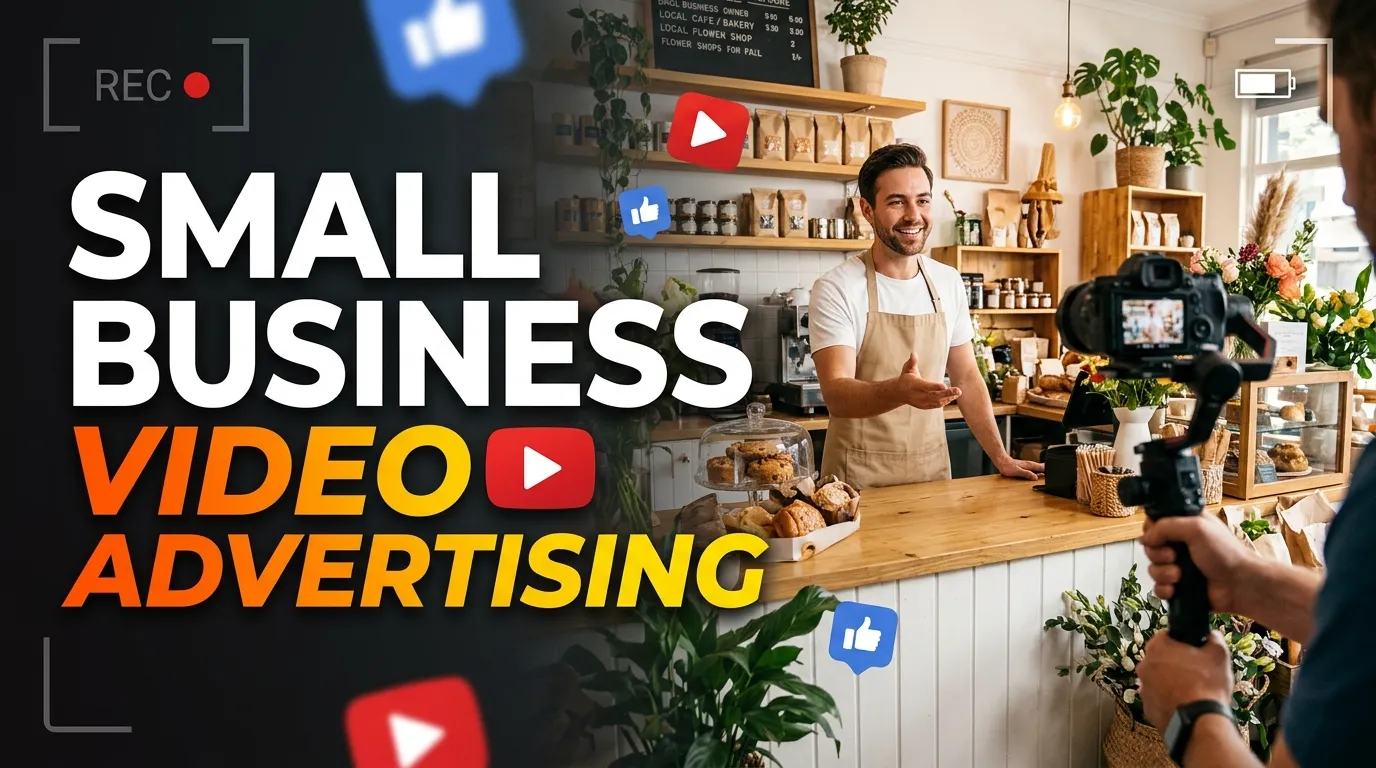 Video advertising allows small businesses to reach specific audiences through paid promotional campaigns. Platforms such as Facebook, Instagram, YouTube, and TikTok provide advertising options that allow businesses to target users based on interests, location, demographics, and online behavior. For example, a local restaurant can create a short advertisement featuring its popular dishes and target people living nearby. Similarly, an online clothing store can showcase its latest collection through short video advertisements designed to encourage website visits and purchases.
Effective video advertisements should communicate their main message within the first few seconds. Viewers often scroll quickly through their feeds, so an interesting opening is essential. Use attractive visuals, clear messaging, and a relevant call to action to encourage viewers to learn more. Video marketing for small businesses does not require a large advertising budget. Companies can start with a small daily spending limit, test different video variations, and monitor which advertisements generate the best results. Tracking views, clicks, conversions, and engagement helps businesses improve future campaigns.
Affordable Video Marketing Ideas
Limited budgets should not prevent small businesses from creating effective video content. Many affordable video marketing ideas can be implemented using a smartphone, natural lighting, and basic editing applications. Behind-the-scenes videos are an excellent starting point. Show viewers how your business operates, how products are prepared, or how your team handles daily activities. These videos make your brand feel more personal and authentic.
Customer testimonials are another affordable option. Ask satisfied customers to share their experiences with your products or services. Genuine feedback can help potential buyers feel more confident about choosing your business. You can also create frequently asked question videos. Answer common customer questions about pricing, product features, delivery, availability, or services. This type of content saves time while providing useful information to your audience. Another idea is to repurpose existing content. Turn blog articles into short educational videos, convert product photographs into promotional slideshows, or divide a longer tutorial into several short clips. This approach makes video marketing for small businesses more manageable without requiring a completely new production process for every campaign.
Video Content Marketing Strategy
A strong video content marketing strategy focuses on creating valuable content that supports customers throughout their buying journey. Rather than producing videos only to promote products, businesses should develop content that answers questions, solves problems, and builds relationships. At the awareness stage, educational videos and entertaining short clips can introduce your business to new audiences. At the consideration stage, product demonstrations, comparisons, and detailed explanations help viewers understand your offerings. At the decision stage, customer testimonials, case studies, and promotional videos can encourage potential customers to take action.
Understanding the customer journey is essential when planning video content. Each video should match the needs and interests of its intended audience. Businesses can also use webinars to provide detailed information, demonstrate expertise, and interact directly with potential customers. Our guide to online webinar marketing offers additional insights into using webinars to attract and engage audiences. A content calendar can help organize topics, production schedules, publishing dates, and promotional activities. It also ensures that your business maintains a balance between educational, entertaining, and promotional videos.
Social Media Video Marketing for Small Businesses
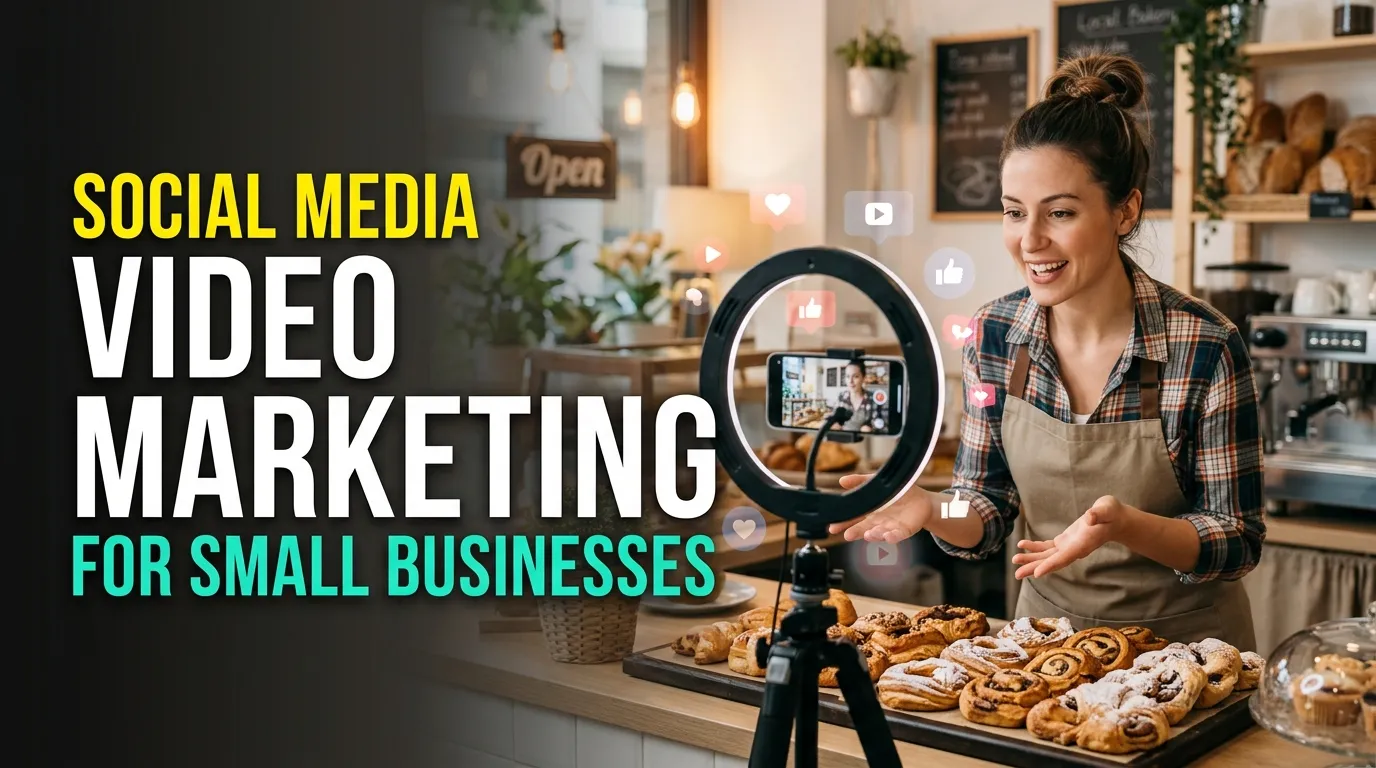 Social media has made video marketing more accessible than ever. Platforms such as Instagram, Facebook, TikTok, YouTube, and LinkedIn allow small businesses to reach audiences without relying entirely on traditional advertising methods. Each platform has a different audience and content style. Instagram Reels and TikTok are suitable for short, entertaining, and visually engaging videos. YouTube works well for tutorials, product reviews, educational content, and longer demonstrations. Facebook can help local businesses connect with communities, while LinkedIn is useful for professional services and business-to-business marketing.
When planning video marketing for small businesses, it is important to adapt content to each platform instead of uploading the same video everywhere without considering audience expectations. Vertical videos are generally suitable for short-form mobile content, while landscape videos can work better for traditional YouTube presentations. Engagement should also be a priority. Encourage viewers to comment, ask questions, share their experiences, and visit your website. Responding to comments helps build relationships and makes your brand more approachable. Monitoring conversations about your brand can further improve your social media strategy. Our article on social media brand monitoring explains how businesses can track online discussions, understand audience opinions, and protect their brand reputation.
How to Promote a Small Business with Videos
Promoting a small business with videos requires a combination of creativity, consistency, and effective distribution. Creating a great video is only the first step. Businesses also need to make sure their target audience can discover and watch it. Start by sharing videos across relevant social media channels. Include them in your website pages, product descriptions, email newsletters, and blog posts. For example, an online store can add product demonstration videos to important product pages to help customers understand how items work.
Search engine optimization can also improve video visibility. Use descriptive titles, relevant keywords, informative descriptions, and appropriate tags when publishing videos. Adding captions makes content more accessible and helps viewers understand videos when watching without sound. Collaborating with local influencers, industry professionals, or complementary businesses can introduce your brand to new audiences. Small businesses can also encourage customers to create user-generated content by sharing their experiences with products or services. Video marketing for small businesses becomes more effective when promotional activities are connected to measurable goals. Track website visits, inquiries, purchases, and audience engagement to understand which promotional methods are producing meaningful results.
Video Marketing Tips for Startups
Startups often face the challenge of building brand awareness while managing limited resources. Video content can help new businesses introduce their ideas, explain their solutions, and establish credibility. One important tip is to focus on authenticity rather than perfection. Viewers do not always expect highly polished production. A clear message, useful information, and genuine communication can be more valuable than expensive visual effects.
Startups should also identify their unique selling proposition. Explain what makes your business different, how your product solves a particular problem, and why customers should consider your offering. Short introduction videos can help communicate these points effectively. Experimenting with different formats is another useful approach. Try founder introduction videos, product demonstrations, customer interviews, educational clips, and short industry insights. Analyze audience responses to identify the formats that generate the strongest engagement. Video marketing for small businesses should also support brand consistency. Use recognizable colors, messaging, logos, and communication styles across your videos. This helps audiences identify your content and develop familiarity with your startup.
Cost-Effective Video Production for Small Businesses
Professional video production does not always require expensive cameras, studios, or production teams. Small businesses can create quality videos by using affordable equipment and following a few basic production principles. A modern smartphone is often enough to record clear footage. Use a tripod to keep the camera stable and record in a well-lit environment. Natural daylight near a window can provide excellent lighting without additional expenses. A simple external microphone can also improve sound quality, making videos easier to understand.
Planning is another way to reduce production costs. Prepare a short script, organize your filming location, and decide which scenes you need before recording. This minimizes mistakes and reduces the time spent editing. Free and affordable editing tools can help businesses trim clips, add subtitles, include background music, and create professional-looking videos. However, editing should support the message rather than distract viewers with unnecessary effects. When producing video marketing for small businesses, focus on clarity, sound quality, and useful information. Customers are more likely to appreciate a video that answers their questions than one that looks impressive but provides little value.
Best Video Marketing Platforms for Small Businesses
 Choosing the right platform is an important part of developing an effective video marketing campaign. The best option depends on your target audience, business type, content format, and marketing objectives. YouTube is a strong choice for businesses that want to publish educational videos, product demonstrations, tutorials, and long-form content. Its search functionality also allows videos to attract viewers who are actively looking for information.
Instagram is useful for visual brands, lifestyle businesses, restaurants, fashion stores, and creators. Reels and Stories provide opportunities to share short promotional clips and interact with followers. TikTok can help businesses reach new audiences through creative short-form videos. Brands can participate in relevant trends, share practical tips, and demonstrate products in an entertaining way.
Facebook remains useful for local businesses that want to connect with nearby communities and run targeted advertisements. LinkedIn is particularly valuable for professional services, consultants, agencies, and business-to-business companies. Businesses should not feel pressured to maintain an active presence on every platform. Instead, select one or two channels that match your audience and focus on publishing relevant content consistently. Ultimately, video marketing for small businesses is about reaching the right people with the right message. Choosing suitable platforms and reviewing performance regularly will help businesses develop a more sustainable marketing approach.
Conclusion
Video has become an essential part of modern digital marketing, offering small businesses an effective way to communicate, educate, and build trust with their audiences. From affordable smartphone recordings to targeted social media advertisements, there are many ways to create meaningful video content without spending a fortune. The key to success is understanding your audience, choosing appropriate platforms, creating valuable content, and measuring results. Businesses that remain consistent and experiment with different video formats can gradually improve their marketing performance. Video marketing for small businesses is not simply about getting more views. It is about building meaningful customer relationships, communicating your brand’s value, and turning interested viewers into loyal customers. Start with simple ideas, focus on quality information, and improve your strategy as your business grows.
FAQ
1. What is video marketing for small businesses?
Video marketing for small businesses involves using video content to promote products, explain services, increase brand awareness, and connect with potential customers. Businesses can publish videos on websites, social media platforms, and video-sharing channels to attract and engage their target audiences.
2. Why is video marketing important for small businesses?
Video marketing helps businesses communicate information quickly, build customer trust, improve brand visibility, and demonstrate products or services. It also provides opportunities to reach new audiences through social media and search engines.
3. How much does video marketing cost for a small business?
The cost depends on the type of video, production quality, equipment, and advertising budget. Businesses can start with a smartphone and free editing software, while professional production and paid advertising require additional investment.
4. Which social media platform is best for small business videos?
YouTube, Instagram, TikTok, and Facebook are popular choices. The best platform depends on your target audience and content goals. YouTube is suitable for educational content, Instagram and TikTok work well for short videos, and Facebook can help businesses reach local communities.
5. What types of videos should small businesses create?
Small businesses can create product demonstrations, customer testimonials, behind-the-scenes videos, tutorials, educational content, frequently asked question videos, and brand introduction videos. Choosing useful topics that address customer needs is essential.
6. How often should a small business post videos?
Posting consistently is more important than publishing videos every day. A business can begin with one or two videos per week and adjust its schedule according to audience engagement, available resources, and marketing goals.
7. Can video marketing help small businesses increase sales?
Yes. Videos can demonstrate product benefits, answer customer questions, build trust, and encourage purchasing decisions. Product demonstrations, testimonials, and informative promotional videos can help move potential customers closer to making a purchase.
8. How can small businesses create videos without professional equipment?
Businesses can use smartphones, natural lighting, affordable tripods, and basic editing applications. Preparing a script, recording in a quiet environment, and adding captions can improve the overall quality of videos without requiring expensive equipment.
9. How can small businesses measure video marketing success?
Businesses can monitor video views, watch time, audience retention, comments, shares, website traffic, leads, and sales conversions. These measurements help identify which videos are performing well and where improvements are needed.
10. How long should a marketing video be for a small business?
The ideal length depends on the platform and purpose. Short social media videos can often communicate a message within 15–60 seconds, while tutorials, product demonstrations, and educational videos may need several minutes. The most important thing is to keep the content relevant and engaging.